Table of Contents
Would you fly across the world to check your health at a casino? It sounds strange, but Gangnam-gu is making that exact idea a reality this month. Seoul’s most famous district just opened a medical and wellness experience center for foreign tourists, and it says a lot about where Korea’s tourism industry is heading.
Gangnam-gu, one of Seoul’s most globally recognized neighborhoods, has partnered with Grand Korea Leisure (GKL) to run this special pop-up program. You’ll find it inside the Seven Luck Casino at Gangnam COEX branch. The event runs through August 31, giving visitors a limited window to experience it firsthand.
What Gangnam-gu Is Launching
Let’s break down what’s actually happening here. Gangnam-gu, led by district mayor Kim Hyun-ki, teamed up with GKL to create a temporary health and medical experience space. It’s designed specifically for foreign tourists passing through one of Seoul’s busiest entertainment and shopping hubs.
Why place a health center inside a casino? Think about foot traffic. COEX and its surrounding area draw huge numbers of international visitors every single day, so Gangnam-gu is meeting tourists where they already are.
This isn’t a hospital or a clinic in the traditional sense. Instead, it’s an experience space—part showcase, part information hub—built to introduce foreign guests to Korea’s medical tourism offerings. Visitors can explore health-related programs, learn about treatments available in the district, and get a taste of what medical tourism in Gangnam-gu looks like without booking a full appointment.
Why Medical Tourism Matters for Gangnam-gu
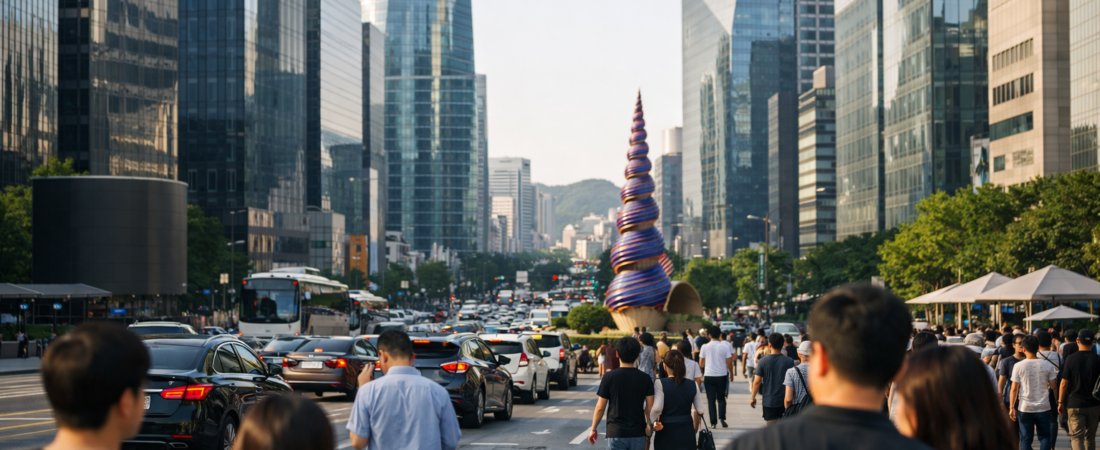
Here’s something you might not know. Gangnam-gu has quietly become one of Asia’s most competitive destinations for medical tourism. The district is packed with dermatology clinics, plastic surgery centers, and wellness institutions that attract patients from China, Southeast Asia, the Middle East, and beyond.
So why does this matter beyond the district itself? Medical tourism brings real economic value. Visitors who come for a procedure often stay longer, spend more, and return home as informal ambassadors for Korean healthcare.
Gangnam-gu wants to protect and grow that reputation. Competition among Asian medical tourism hubs—Thailand, Singapore, and Japan among them—has intensified over the past decade. By creating direct-to-tourist experiences like this health center, Gangnam-gu is trying to stay a step ahead.
Seoul’s broader tourism strategy also plays into this. City and district governments have increasingly focused on niche tourism categories: K-beauty tours, K-drama filming locations, and now medical and wellness experiences. Gangnam-gu positioning itself at the center of this trend makes strategic sense, given its existing cluster of medical clinics near COEX and Apgujeong.
Inside the Health Experience Center
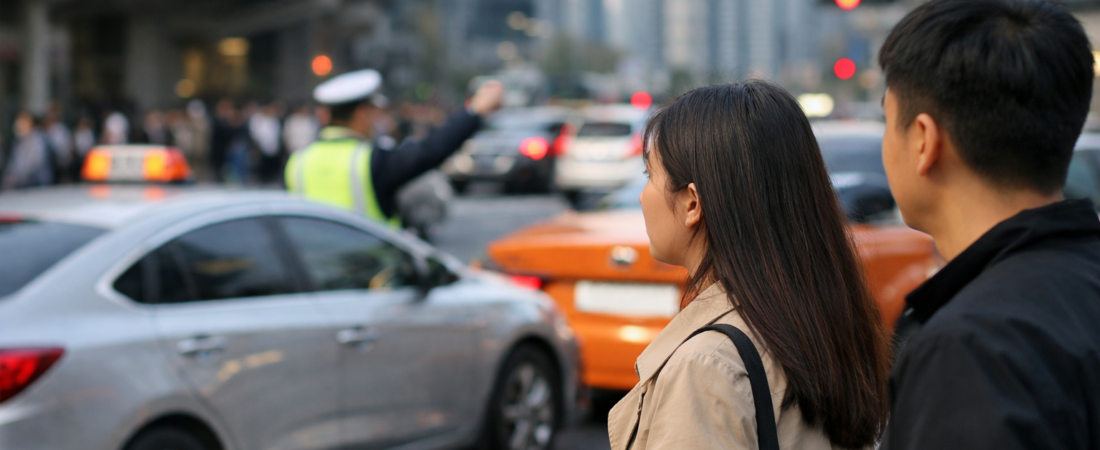
What can visitors actually do inside the center? Based on details from the district office, guests can expect hands-on health checks, informational displays about local medical facilities, and staff ready to answer questions in multiple languages. It’s less about diagnosis and more about discovery.
Think of it as a sampler platter for medical tourism. You get a small taste of what’s available, and if something interests you, the center can point you toward the right clinic or specialist nearby.
The choice of venue deserves a second look too. Running this inside Seven Luck Casino at COEX means organizers expect steady foreign traffic without needing extra marketing. Casinos in Korea legally cater only to foreign nationals in most cases (Koreans need a special separate venue in Gangwon Province), so the tourist audience is already built in.
For readers curious about the details, the original report from Yonhap News Agency outlines the collaboration between Gangnam-gu and GKL in full. This kind of public-private partnership is becoming more common across Seoul’s tourism sector, especially as districts compete for limited marketing budgets.
What This Means for Global Visitors
If you’re planning a trip to Seoul before August 31, this is worth adding to your itinerary. It costs you little time, offers real information, and gives you a preview of Korea’s medical infrastructure without any commitment. Curious what a K-beauty consultation feels like, or what wellness programs Gangnam-gu clinics actually offer? This is a low-pressure way to find out.
But let’s step back and think about the bigger picture here. Programs like this reveal something honest about how cities compete for global attention today. Tourism has become less about postcards and more about tailored experiences that solve a visitor’s specific curiosity or need.
There’s a real tension worth naming, though. When healthcare gets packaged as tourism entertainment, something can get lost—the seriousness of medical decisions doesn’t always mix comfortably with a casino’s atmosphere of leisure and spectacle. At the same time, this kind of accessible, low-barrier introduction can genuinely help travelers make safer, more informed choices instead of arriving blind to unfamiliar clinics abroad, and that’s a meaningful public good worth recognizing.
Gangnam-gu’s move also says something about how communities respond to competition. Rather than only advertising abroad, the district brought the experience directly to where tourists already gather. That kind of practical, visitor-first thinking often produces better results than traditional ad campaigns ever could.
Seoul’s medical tourism sector will likely keep evolving in this direction—closer partnerships, more experience-based marketing, and less reliance on brochures alone. Gangnam-gu getting ahead of that curve now could shape how other districts in Korea approach tourism outreach in the years ahead. What do you think about pairing medical tourism with entertainment venues like this—smart strategy, or a mismatch waiting to happen?
AI-Generated Photorealistic Image — All people, scenes, and details in this image are entirely AI-generated and fictional. Not a real photograph of an actual person or event. 이 이미지는 AI로 생성된 가상 이미지입니다.

Leave a Reply