Table of Contents
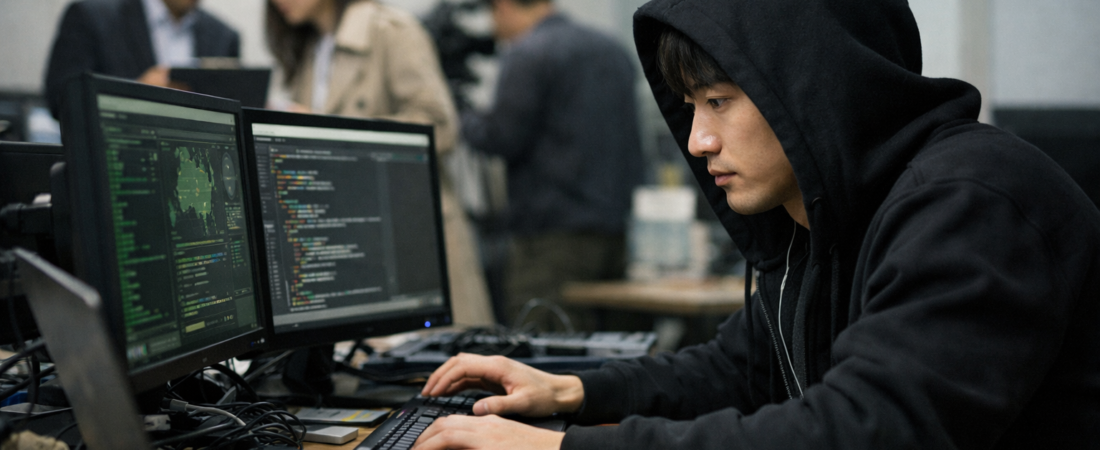
How long could a hacking attack go unnoticed inside a government training system? In Korea, the answer just turned out to be almost ten months. That’s how long hackers reportedly sat inside the online education platform of the Korea National Diplomatic Academy before anyone caught them.
This isn’t a small tech glitch. The academy trains current and former diplomats, along with staff working at Korean embassies overseas. When a hacking incident hits an institution like this, the ripple effects reach far beyond one office building in Seoul.
What Happened: The Hacking Incident at Korea’s Diplomatic Academy
The Korea National Diplomatic Academy operates under the Ministry of Foreign Affairs. It runs online training programs for diplomats at every career stage, from new recruits to senior officials posted abroad.
Sometime last year, unknown attackers breached this online system. They stayed inside for roughly ten months without detection. Think about that timeline for a second — nearly a full year of quiet access to a government education network.
The breach only came to light after Korea’s National Intelligence Service flagged the issue to the Ministry of Foreign Affairs in February. That’s a significant gap between infiltration and discovery. Why did it take so long? That question sits at the center of the current investigation.
Officials have not ruled out any possibility, including state-sponsored actors. Given the target — a training platform used by diplomats — a state-backed hacking operation would make strategic sense. Foreign intelligence services often look for weak entry points, and training systems can be exactly that.
Why This Hacking Case Took Ten Months to Detect
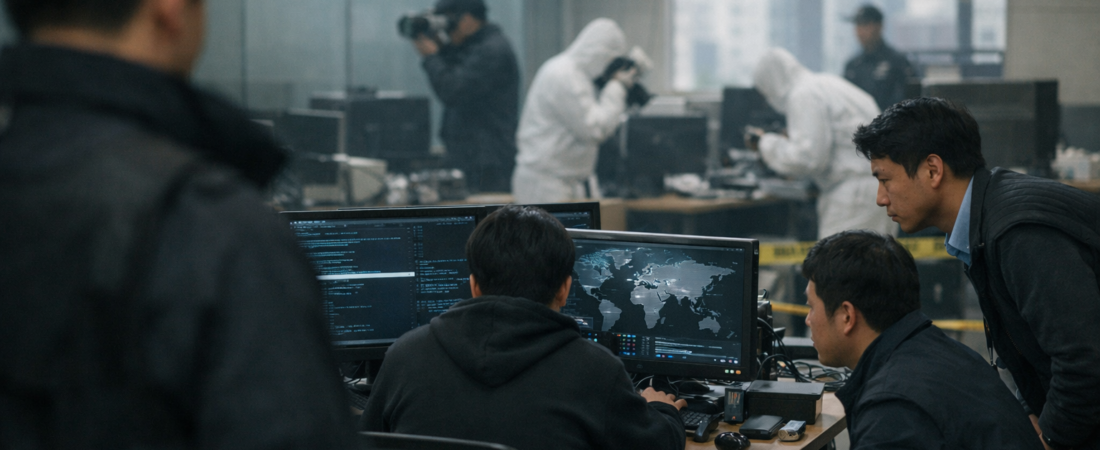
Government agencies often treat training platforms as low-priority targets for security investment. Core diplomatic networks get heavy protection. Side systems, like an e-learning portal, sometimes don’t receive the same attention.
That gap in priority can become an open door. Hackers know this pattern well, and they actively search for it. A well-defended front gate means little if the back window stays unlocked for months.
The Ministry of Foreign Affairs is now reviewing exactly how the hacking occurred and why detection took so long. Was it a lack of monitoring tools? Outdated software? Insufficient staff attention to a secondary system? Each of these questions carries real weight for future policy.
This case also raises a broader point about digital infrastructure in government agencies. Training portals, HR systems, and internal messaging tools often run on older software with fewer updates. Attackers understand this reality, and they target the softest points rather than the hardest ones.
You can compare this to a house with a strong front door but a weak back window. No one expects a thief to smash through reinforced steel when a screen door sits open nearby. Cybersecurity works the same way — attackers follow the path of least resistance, not the path of maximum challenge.
What Data Was Exposed and Who Faces Risk
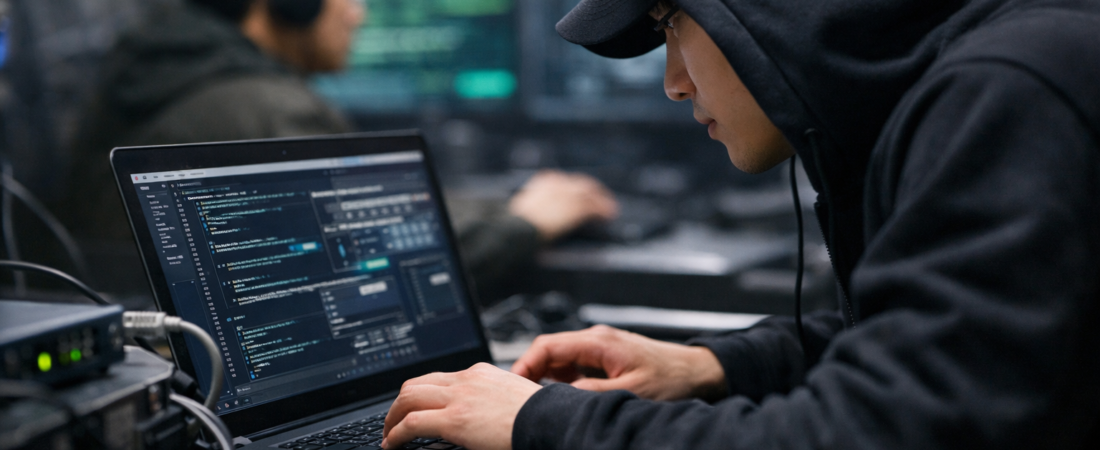
The numbers here are hard to ignore. Up to 10,000 people may have had personal information exposed in this hacking incident. That includes current and former diplomats, plus staff working at Korean overseas missions.
What exactly leaked? Names, user IDs, encrypted passwords, and email addresses appear on the list. Encryption offers some protection, but it isn’t a guarantee against determined attackers with enough computing power and time.
Why does this matter beyond Korea’s borders? Diplomatic staff communicate with foreign governments, international organizations, and sensitive contacts worldwide. If attackers gained access to email addresses and login credentials, follow-up phishing attempts become a real concern for months or even years ahead.
Consider the practical risk here. A hacker with a diplomat’s email address and even a partially cracked password can attempt further intrusions. They might target personal accounts, professional networks, or even family members connected to that diplomat.
This is why security experts describe data leaks as a “first domino” rather than a final event. One hacking breach rarely stays contained to a single database.
The Ministry of Foreign Affairs says it is investigating all possibilities, including the involvement of state-backed hacking groups. This detail matters because state-sponsored attacks differ from ordinary criminal hacking. Criminal hackers usually want money.
State-backed groups usually want information, leverage, or long-term access. If a foreign intelligence service sits behind this hacking case, the goal likely involves espionage rather than financial theft. That distinction changes how Korea must respond, both diplomatically and technically.
What This Hacking Incident Means for Korea’s Cybersecurity Future
Korea has faced high-profile hacking incidents before, targeting banks, media companies, and government agencies. Each case pushed policymakers toward stronger cybersecurity laws and larger budgets for digital defense. This incident will likely add fresh pressure toward that same direction.
Should Korea now require the same level of protection for every government-linked system, no matter how minor it seems? That question feels more urgent after this breach. A training portal turned out to hold sensitive personal data for thousands of diplomatic staff.
The National Intelligence Service already plays a central role in flagging threats like this one. Reports from organizations such as Yonhap News Agency suggest this kind of long-term, undetected hacking pattern is becoming more common across government networks worldwide, not just in Korea. That global pattern should worry every country running digital systems for public employees.
For everyday readers outside Korea, this story carries a wider lesson. Government agencies everywhere run dozens of smaller digital systems alongside their main networks. Each one represents a potential opening for a hacking attempt, and attackers only need one weak point to succeed.
Looking ahead, Korea’s Ministry of Foreign Affairs faces a clear task. It must strengthen monitoring across every connected system, not just the ones considered high-value targets. Diplomatic staff affected by this breach will likely need new credentials, updated security training, and closer monitoring of their accounts going forward.
This hacking case also serves as a reminder for institutions worldwide. Cybersecurity isn’t just about protecting the most obvious targets. Sometimes the biggest risk sits in the systems nobody thinks to check first.
What do you think — should governments treat every digital system, even minor training platforms, with the same security standards as their most sensitive networks?
AI-Generated Photorealistic Image — All people, scenes, and details in this image are entirely AI-generated and fictional. Not a real photograph of an actual person or event. 이 이미지는 AI로 생성된 가상 이미지입니다.




Leave a Reply