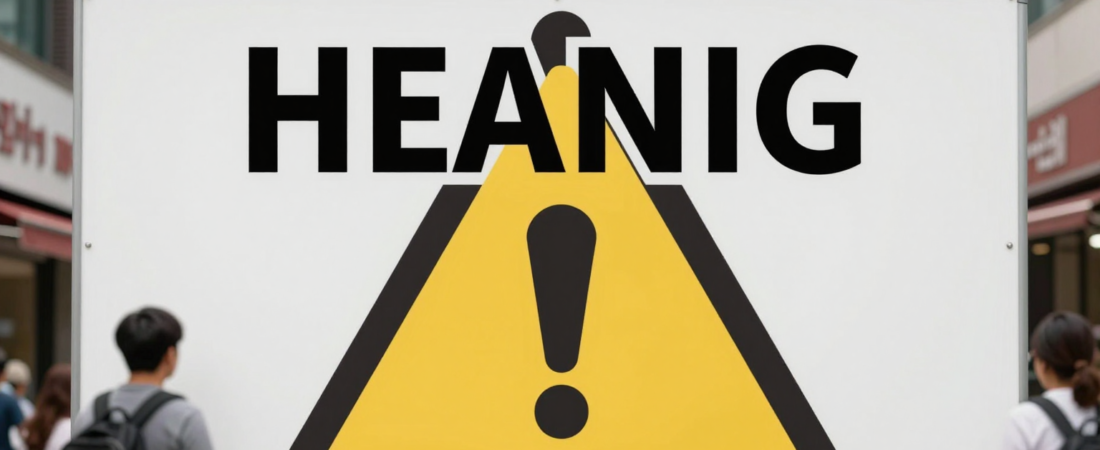
Heat Wave Warning Hits Jeonju and Seven Other North Jeolla Cities
North Jeolla Province will face a heat wave warning starting at 11 a.m. on August 23, covering Jeonju and seven other locations. The Korea Meteorological Administration announced this decision on August 22. Daytime temperatures are expected to climb sharply, bringing dangerously hot conditions across the region.
As of this week, heat wave alerts are dominating conversations across Korea’s weather apps and local news broadcasts. From Seoul to smaller provincial cities, people are checking forecasts more often than usual. This particular heat wave warning for North Jeolla is one of the clearest signals yet that summer 2026 is not backing down.
Have you ever stepped outside expecting mild weather, only to feel like you walked into an oven? That’s the reality facing residents of Jeonju right now. This heat wave warning is not a minor advisory — it’s a formal signal from meteorological authorities that conditions have crossed into genuinely dangerous territory.
What a Heat Wave Warning Actually Means
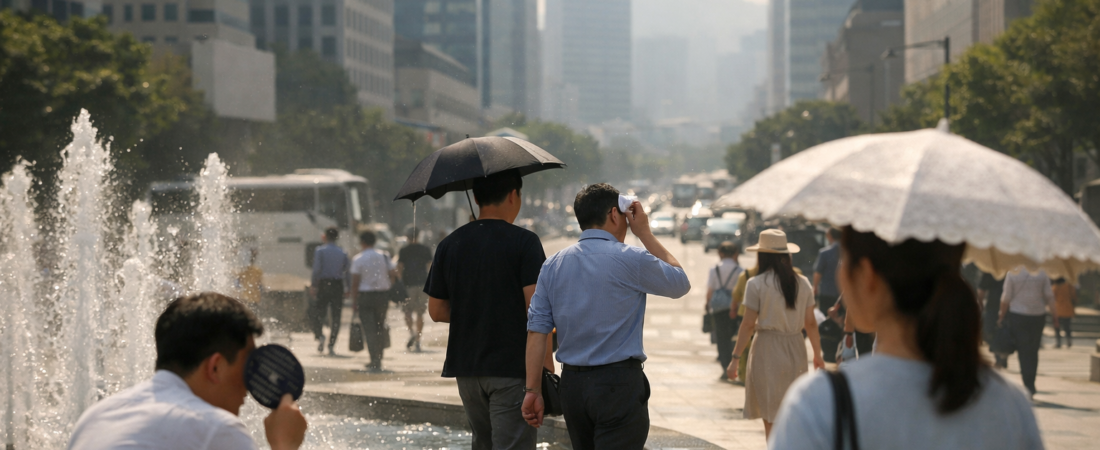
In Korea, a heat wave warning is more serious than a heat wave advisory. It’s issued when the perceived temperature is expected to stay above 35 degrees Celsius for at least two consecutive days. The Korea Meteorological Administration uses this two-tier system to help local governments and citizens respond appropriately.
Why does this distinction matter to you, even if you’re not in North Jeolla? Because it shows how seriously Korean weather authorities treat extreme heat as a public health issue, not just an inconvenience. This heat wave warning triggers specific government actions, including opening cooling centers and adjusting outdoor work schedules.
Jeonju, the provincial capital, is known for its traditional hanok village and rich culinary heritage. Ironically, its historic tiled roofs and narrow alleys can trap heat even more intensely than modern buildings. Local officials are urging both residents and the many tourists who visit Jeonju’s famous bibimbap restaurants to take this heat wave warning seriously.
The eight affected areas span a mix of urban and rural communities, meaning the impact will vary block by block. Farmers working in open fields face very different risks than office workers in air-conditioned buildings. That’s exactly why authorities issue heat wave warnings at the regional level rather than treating the whole country as one uniform zone.
Why This Heat Wave Pattern Keeps Repeating
Korea’s summers have grown noticeably hotter over the past decade, and this heat wave warning fits a larger pattern. Climate researchers point to rising average temperatures across East Asia as a key driver. The Korean peninsula, once known for relatively mild summers, now regularly experiences extended stretches of extreme heat.
Is this just one unusual summer, or a sign of something longer-term? Most climate data suggests the latter. Heat wave warnings that used to be rare summer events are becoming an almost predictable seasonal feature in cities like Jeonju.
Korea takes its summer heat seriously — this is something of an understatement when you consider entire subway stations now double as public cooling shelters. Government agencies have responded by expanding early warning systems and public cooling infrastructure. Still, the underlying trend toward hotter, longer summers keeps testing the limits of these adaptations.
North Jeolla’s agricultural communities feel this shift especially hard. Rice paddies and orchards need careful management during extreme heat, and farmers often cannot simply retreat indoors like office workers. This heat wave warning arrives during a critical growing period, adding economic pressure on top of health concerns.
How Residents Can Respond to the Heat Wave Warning
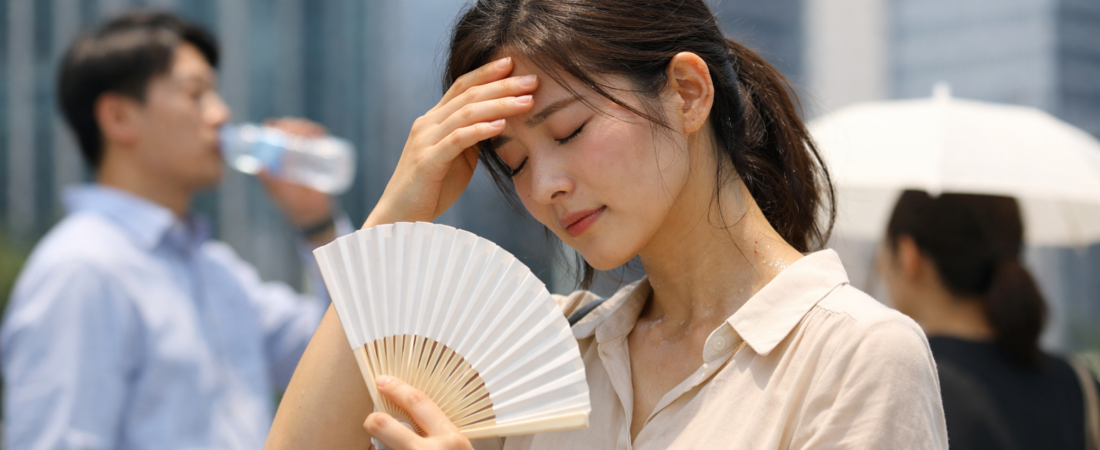
Local health officials recommend straightforward precautions once a heat wave warning takes effect. Avoid outdoor activity between late morning and mid-afternoon, when temperatures peak. Drink water regularly, even before you feel thirsty, and check in on elderly neighbors who may be more vulnerable.
Do you know someone who works outdoors — construction, delivery, farming? These are exactly the groups most at risk during a heat wave warning. Employers in North Jeolla are being encouraged to adjust work hours and provide shaded rest areas during the hottest parts of the day.
There’s something worth reflecting on here, beyond the thermometer readings. Extreme weather exposes real gaps between those who can retreat into air-conditioned comfort and those who cannot, and pretending otherwise would be dishonest. Yet you can also see genuine care emerging in response — neighbors checking on elderly residents, local governments opening free cooling centers, community volunteers delivering water to outdoor workers.
That tension between vulnerability and care is not unique to Korea, but it shows up clearly here every summer. The same communal closeness that Korean society is known for can create pressure to keep working through dangerous heat, especially for those without stable jobs. But it also produces quick, practical solidarity when a heat wave warning is announced, and that combination deserves honest recognition rather than simple praise or simple criticism.
Looking ahead, heat wave warnings like this one in North Jeolla will likely become a routine part of Korean summers rather than rare exceptions. That reality calls for better long-term infrastructure, not just short-term reactions. For readers outside Korea, this local heat wave warning offers a preview of challenges many countries will face as global temperatures continue rising.
What does your own community do when extreme heat warnings are issued, and could Korea’s approach offer any useful lessons?
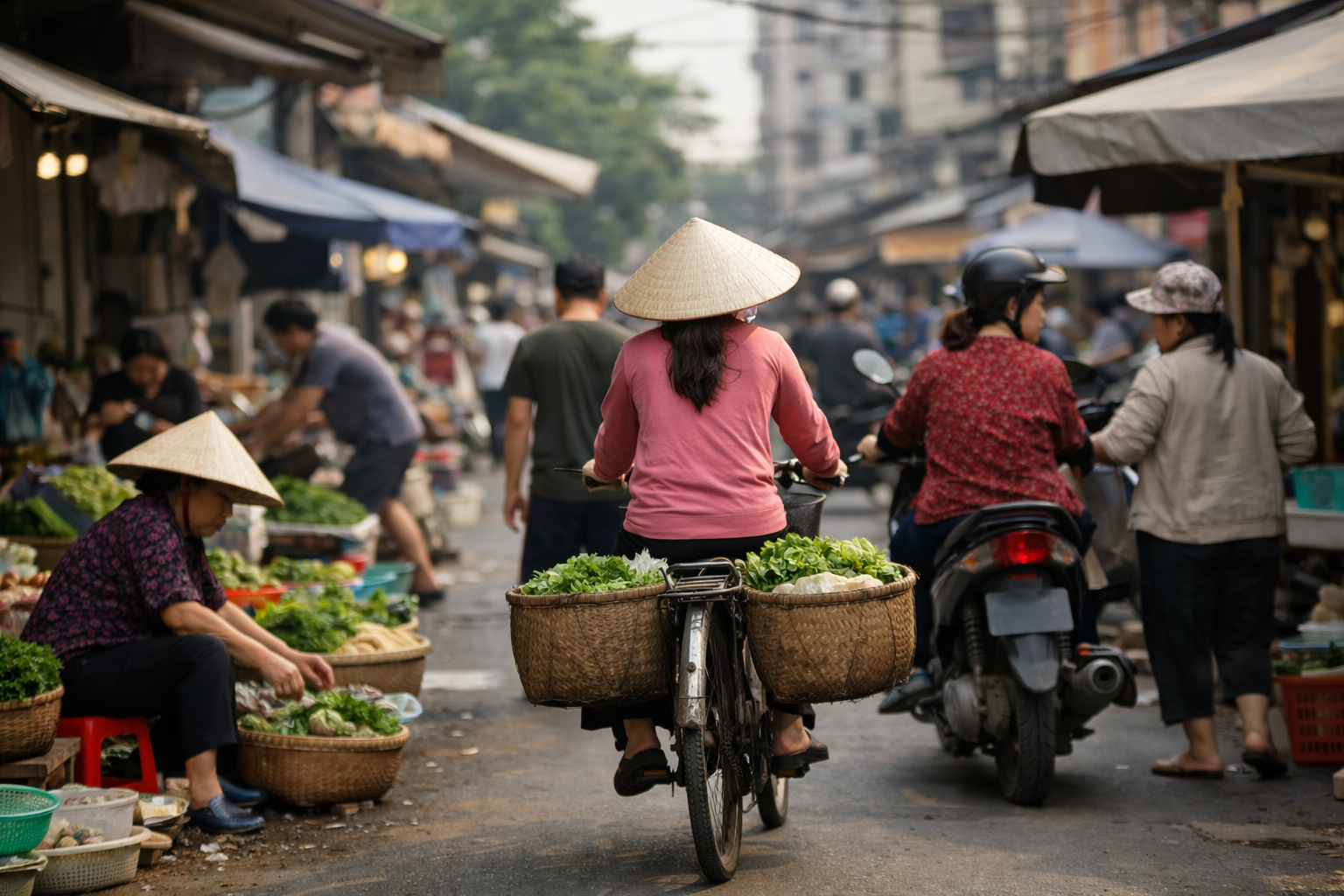
AI-Generated Photorealistic Image — All people, scenes, and details in this image are entirely AI-generated and fictional. Not a real photograph of an actual person or event. 이 이미지는 AI로 생성된 가상 이미지입니다.

Leave a Reply