Table of Contents
Korea’s Entertainment Industry Faces a Heatwave Emergency
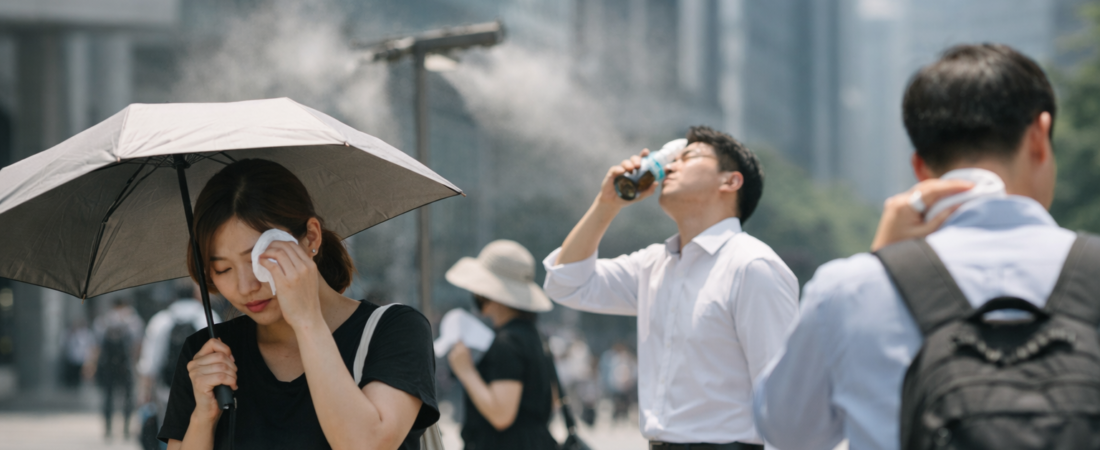
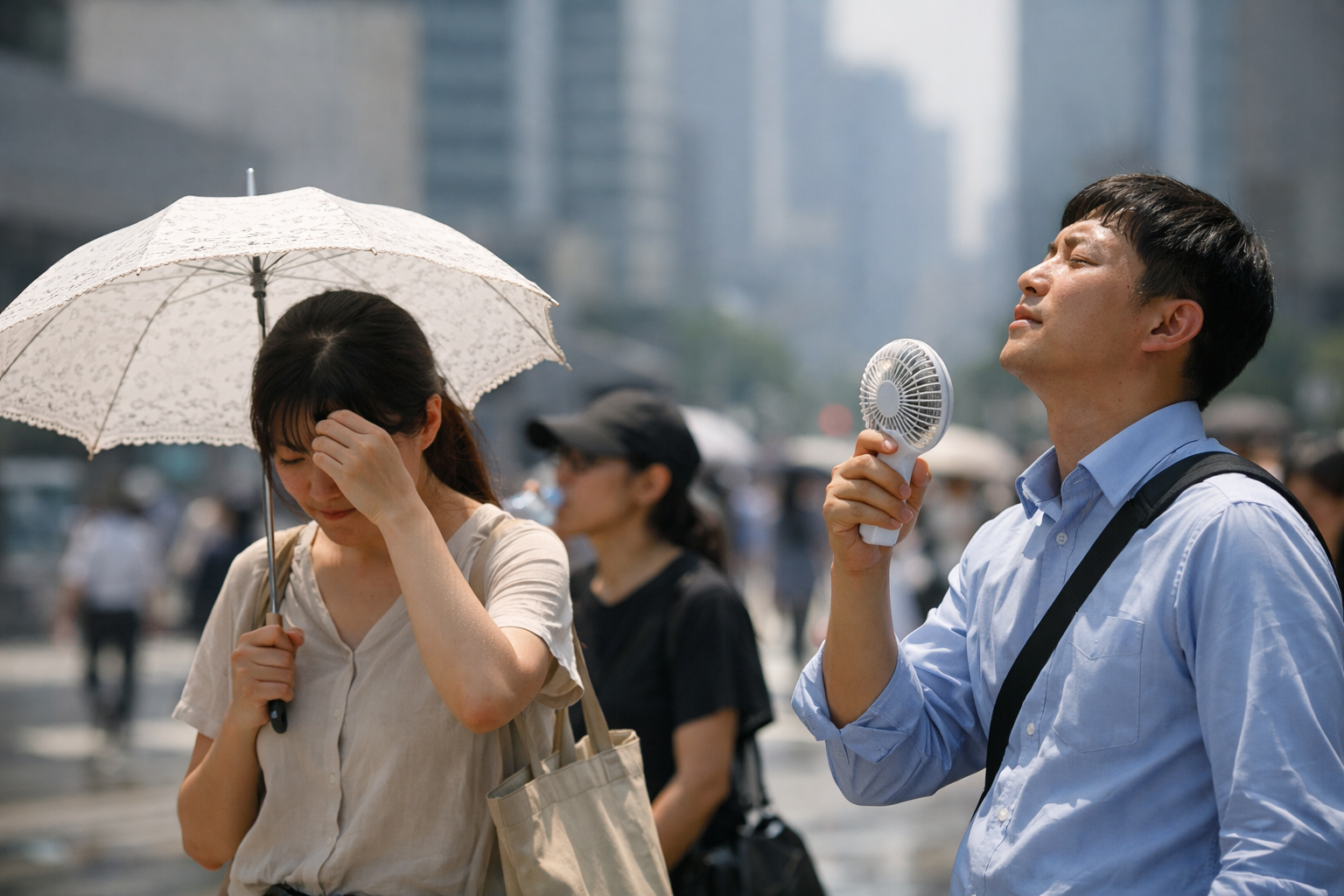
Can a concert survive when the thermometer hits 40 degrees Celsius? That question is not hypothetical anymore in Korea. A relentless heatwave has settled over the country, and it is forcing the entire entertainment industry to rethink how live events work.
Music shows, outdoor festivals, and television productions are all scrambling to respond. This is not a minor scheduling headache. It is a full-scale emergency response, playing out on stages across Seoul and beyond.
According to Yonhap News Agency, reporters Lee Tae-soo, Kim Seon-woo, and Ko Ga-hye documented how deeply this heatwave has disrupted the entertainment calendar this summer. You might wonder why a weather story belongs on an entertainment page at all. But when tens of thousands of fans gather outdoors for hours, extreme heat becomes a safety story first and a culture story second.
Fan Shelters and Re-Entry: How Concerts Are Adapting
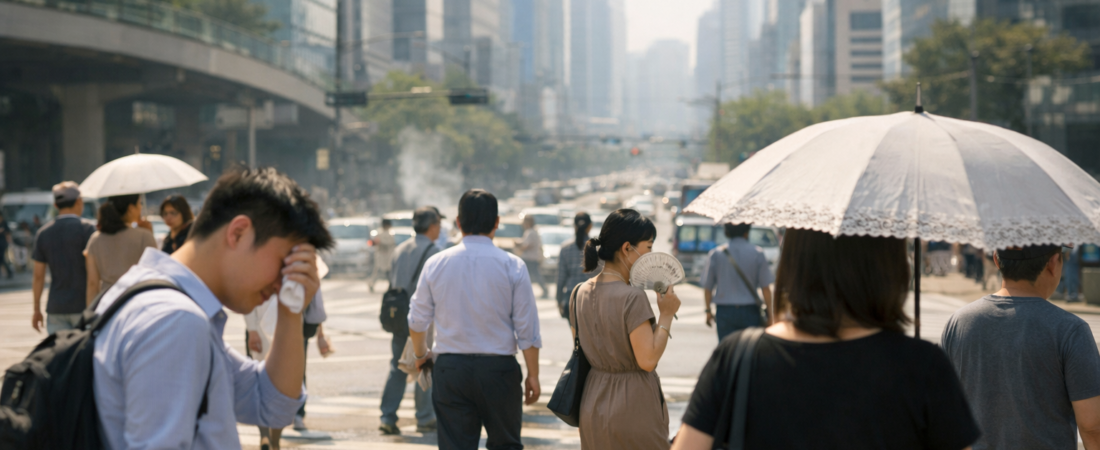
Concert organizers are not waiting for something to go wrong. They are building in protections before doors even open. Fan shelters — shaded, ventilated rest areas — are now standard planning items at major outdoor events.
Re-entry policies have also changed. Many venues now allow fans to step out during a show, cool down, hydrate, and come back in. This sounds simple, but it marks a real shift in Korean concert culture, where crowd control has traditionally prioritized keeping people inside.
Why the change? Because organizers have seen the risk firsthand. Heat exhaustion during a three-hour outdoor set is not rare when the heatwave pushes real-feel temperatures well past 40 degrees.
Some venues have added misting stations, free water distribution points, and on-site medical staff specifically trained for heat-related emergencies. These measures cost money and logistics. Yet promoters seem to agree the alternative — an uncontrolled incident during a heatwave — costs far more.
BIGBANG, Water Bomb, and the New Rules of Summer Shows
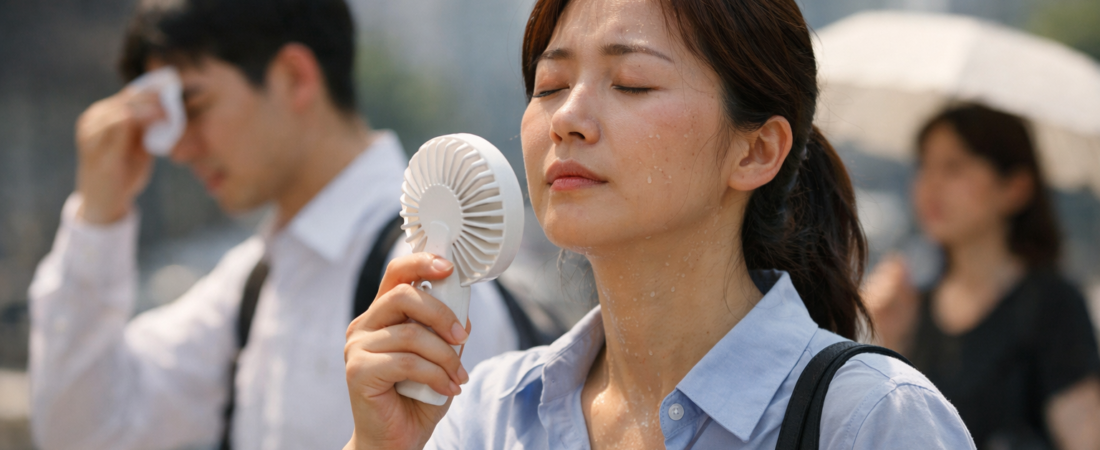
BIGBANG’s recent performance became a case study in heatwave-era concert planning. Organizers set up dedicated shelter zones for fans waiting outside the venue, long before showtime. That single decision reportedly reduced heat-related complaints significantly compared to past summer shows.
Water Bomb, Korea’s massive water festival, took a different but related approach. Because attendees are already soaked for hours in direct sun, organizers expanded re-entry rules so fans could leave briefly, recover in shade, and return without losing their spot. It is a small logistical fix with an outsized safety impact.
Here is the irony worth noting: a festival literally built around water still needs a heatwave response plan. Getting drenched with a water cannon is fun — but it does not replace real hydration or rest breaks (as any exhausted concertgoer standing in 38-degree heat could tell you).
Broadcasters are adjusting too. Outdoor filming schedules are shifting to early morning or late evening slots, avoiding peak afternoon heat entirely. Some music shows have added indoor backup plans in case the heatwave makes outdoor recording unsafe on a given day.
For more on how extreme summer weather is reshaping public gatherings across Korea, you can review ongoing coverage from Yonhap News Agency.
What This Heatwave Response Reveals About Korean Society
Step back for a moment. What does it mean when an entire industry reorganizes itself around the weather? It suggests something bigger than a scheduling problem — it points to how climate extremes are now baked into everyday Korean life.
This heatwave is not an isolated event. Korea has recorded several of its hottest summers on record within the past decade, and each one seems to arrive earlier and last longer. Concert organizers adapting fan shelters today are really responding to a pattern, not a single hot week.
There is a harder truth underneath this adaptation story, though, and it deserves honesty rather than comfort. Not every worker or fan has equal protection from this heatwave — outdoor staff, ticket-line workers, and lower-budget local festivals often lack the resources that a major BIGBANG production or a well-funded Water Bomb event can deploy.
That gap matters, and pretending otherwise would be dishonest. But the same heatwave has also pushed the industry toward genuinely useful innovations — fan shelters, re-entry policies, and shifted filming hours are now becoming shared best practices rather than luxuries reserved for the biggest acts. Smaller festivals are starting to copy these low-cost, high-impact measures, which means the response to hardship is slowly becoming more common, not less.
Extreme heat exposes what a society values under pressure. Korea’s entertainment industry, faced with a genuinely dangerous heatwave, chose visible, practical care over simply pushing through. That instinct — protect people first, keep the show running second — is worth noticing, even while the safety net still has real gaps left to close.
Looking ahead, expect these heatwave adaptations to become permanent fixtures of Korean summer entertainment, not temporary emergency measures. Concert contracts may soon include heat-safety clauses as standard practice, much like rain contingency plans already exist. Fans, meanwhile, are learning to expect shelters and re-entry as normal parts of the ticket experience, not special favors.
Global readers watching K-pop’s international rise should pay attention to this too. As Korean concerts and festivals draw larger international crowds, heatwave-tested safety standards developed in Seoul this summer could shape how similar events are run elsewhere. What do you think — should heat-safety planning become a standard requirement for every major outdoor concert, no matter where it happens in the world?
AI-Generated Photorealistic Image — All people, scenes, and details in this image are entirely AI-generated and fictional. Not a real photograph of an actual person or event. 이 이미지는 AI로 생성된 가상 이미지입니다.

Leave a Reply