
Table of Contents
J-pop streaming in Korea jumped 29.5 percent in one year, according to recent industry data. Korean singers Taeyeon and Lee Su-hyun have both released chart-topping remakes of Japanese hits. This marks a clear shift: J-pop is no longer a niche genre for a small fan circle.
Remember when J-pop meant something you listened to quietly, maybe with headphones on? That image is fading fast.
J-Pop’s New Status in Korea
For decades, J-pop carried a specific label in Korea. People called it “otaku music,” something enjoyed by a small, dedicated group of anime and Japanese culture fans. That label is now outdated, and the shift is happening in plain sight.
Taeyeon’s remake of “Mankan-ka” and Lee Su-hyun’s version of “Blue Coral Reef” both climbed into the upper ranks of Korean music charts. These are not underground releases. They are mainstream hits, performed by artists with massive domestic followings.
Think about what that really means. When a top K-pop soloist chooses a J-pop song to remake, she is making a statement about where the genre now stands in the public imagination.
This is not the first time Japanese music has crossed into Korean pop culture, but the scale feels different this time. Historical tension between the two countries once made open embrace of Japanese content politically sensitive. That sensitivity has not disappeared, but it has clearly softened among younger listeners.
The Numbers Behind the Trend
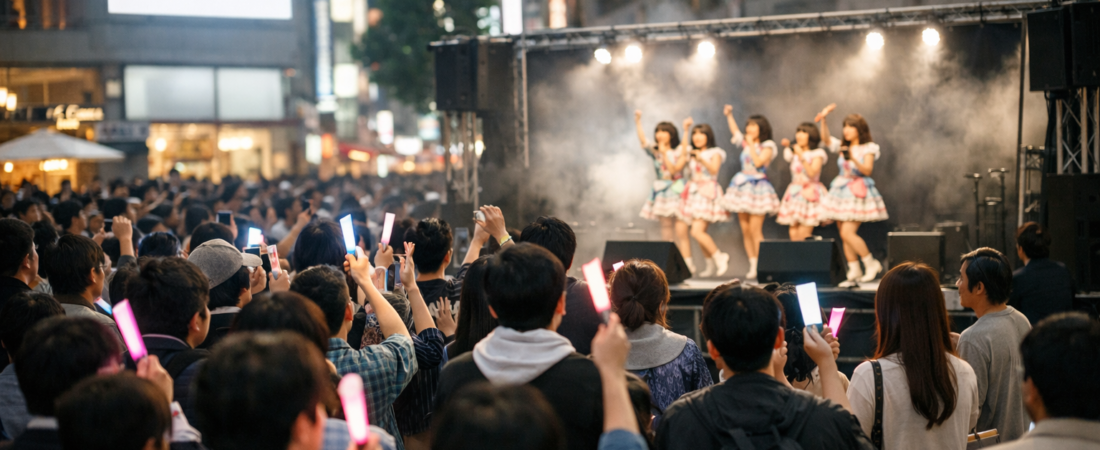
Streaming data tells a compelling story. A 29.5 percent increase in one year is not a small bump. It signals a genuine shift in listening habits across Korea’s digital platforms.
Japanese artists are also showing up in Korea in person. Fujii Kaze has performed here to strong turnout, and J-pop festivals like Wonderlivet have drawn large, enthusiastic crowds. Concert attendance is one of the clearest signs that a genre has moved from niche to mainstream.
Short-form video platforms have added fuel to this fire. A snippet of a J-pop song can spread across Korean social media within days, reaching listeners who have never actively searched for Japanese music. That kind of organic discovery is hard to manufacture through marketing alone.
J-pop artists are also appearing on Korean music broadcast shows now, a space once reserved almost exclusively for domestic acts. If you want a deeper look at how streaming trends are reshaping the industry, outlets like Kyunghyang Shinmun have been tracking this closely.
Why Younger Fans Are Driving This Shift

Who exactly is listening to all this J-pop? The answer points squarely at Korea’s so-called MZ and Alpha generations, often shortened to “Jalpa” in Korean media coverage.
These listeners grew up with global streaming platforms from childhood. National borders mean far less to them when it comes to music discovery. A song’s origin matters less than whether it fits their playlist mood or shows up on their social feed.
This generation also came of age largely free from the sharpest historical friction between Korea and Japan. Older generations often carry memories shaped by decades of political and cultural tension. Younger fans, by contrast, encounter Japanese culture mainly through anime, gaming, and now, catchy J-pop hooks.
There’s also a practical side to this. Short-form platforms reward catchy, high-energy songs regardless of language, and J-pop delivers plenty of both. It turns out melody travels faster than any border ever could.
What This Means for Korean Music Culture
So where does this leave Korean pop music as a whole? The rise of J-pop does not threaten K-pop’s dominance, but it does complicate the old idea of neatly separated national music markets.
Korean artists remaking Japanese songs shows real confidence, not insecurity. It suggests the industry feels secure enough to borrow openly instead of guarding its borders. That kind of openness deserves honest examination, not just celebration.
Cultural exchange like this carries real weight, and it deserves both credit and caution in equal measure. On one hand, young listeners moving past old tensions toward genuine curiosity about a neighboring culture is worth admiring. On the other hand, this same openness can flatten difficult history into background noise, letting catchy hooks quietly replace the harder work of remembering why that history mattered in the first place.
The healthiest path forward probably holds both truths together. Koreans can enjoy J-pop wholeheartedly while still teaching the next generation why older generations approached Japanese culture with more caution. Music can build bridges without erasing the ground those bridges stand on.
Looking ahead, expect J-pop’s presence in Korea to keep growing rather than fade. Streaming numbers, concert turnout, and remake culture all point in the same direction. The genre once whispered about is now sung out loud on national broadcast stages.
What do you think about J-pop’s growing presence in Korea’s mainstream music scene?
AI-Generated Photorealistic Image — All people, scenes, and details in this image are entirely AI-generated and fictional. Not a real photograph of an actual person or event. 이 이미지는 AI로 생성된 가상 이미지입니다.



Leave a Reply