
Table of Contents
Right now in Korea, a heat wave is dominating headlines and daily conversations, and Jeju Island is at the center of it. The Korea Meteorological Administration issued a gale advisory for waters south of Jeju Island, effective 8 p.m. on August 25. At the same time, a heat wave warning stays active for northern Jeju City, creating an unusual weather split across the island.
Two very different weather threats are hitting Jeju Island at once. Strong winds and high waves are forming out at sea, while scorching heat continues to bake the land. Doesn’t that sound like a strange combination for one small island?
Jeju Island Faces Dual Weather Alerts
Jeju Island sits at the southern edge of the Korean peninsula, surrounded by open ocean on all sides. This location makes it sensitive to both maritime storms and summer heat trapped over land. The Korea Meteorological Administration’s latest advisory targets the far southwestern and southeastern waters near Jeju Island.
According to the agency, the gale advisory took effect at 8 p.m. on August 25. This covers what officials call the “inner far seas” southwest and southeast of Jeju Island. You might wonder why these specific zones matter so much.
These waters are heavily used by fishing boats, ferries, and cargo vessels traveling between Jeju Island and the mainland. When wind and wave conditions worsen suddenly, small vessel operators face real risk. That is exactly why the weather agency moves quickly to issue formal warnings the moment conditions shift.
Why Strong Winds Hit Jeju’s Southern Waters
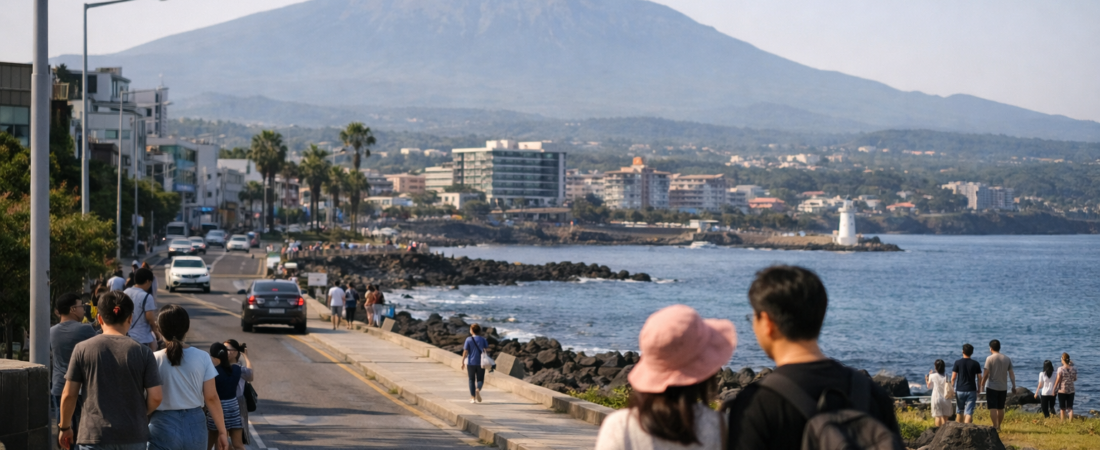
A gale advisory in Korea signals that sustained winds and wave heights are expected to reach levels dangerous for smaller boats. For the seas near Jeju Island, this usually means wind speeds strong enough to toss fishing vessels and stir up swells over several meters. Local maritime authorities take these advisories seriously, often restricting small craft from leaving port.
Late August sits right at the tail end of Korea’s typhoon season, a period when the Pacific often churns out unstable weather systems. Even without a named storm nearby, pressure differences over open water can generate the kind of gusty, choppy conditions Jeju Island is seeing now. Have you ever noticed how ocean weather can turn from calm to chaotic within hours?
That unpredictability is precisely why Korea’s meteorological agency monitors coastal waters around Jeju Island so closely throughout late summer. For readers interested in the technical details behind these maritime alerts, the Yonhap News Agency offers ongoing coverage of Korea’s weather patterns. Fishing communities across Jeju Island depend on this kind of timely, accurate forecasting for their safety and livelihood.
Heat Wave Warning Still Gripping Northern Jeju
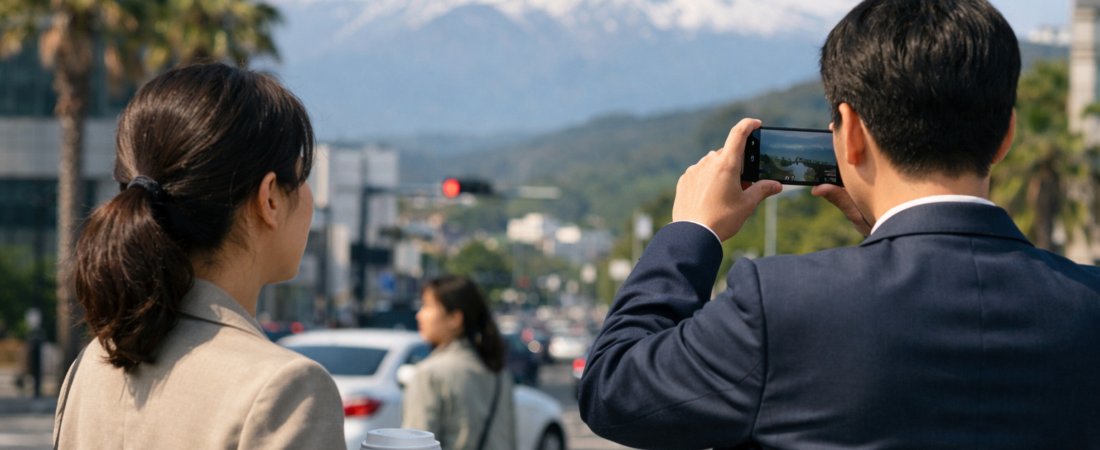
While the southern seas brace for wind and waves, northern Jeju City remains under a heat wave warning. This is Korea’s highest-level heat alert, issued when daytime highs or heat index values climb into dangerous territory for consecutive days. Jeju Island residents in this northern zone have been living under sustained high temperatures for an extended stretch this summer.
Korean summers are famously humid, and Jeju Island adds a tropical twist thanks to its subtropical currents and volcanic terrain. Locals sometimes joke that Jeju humidity makes you feel like you’re wearing the ocean itself. That kind of moist heat pushes the body’s cooling systems harder than dry heat of the same temperature.
Heat wave warnings on Jeju Island typically come with public health guidance: stay hydrated, avoid outdoor work during peak afternoon hours, and check on elderly neighbors. Elderly residents and outdoor laborers face the highest risk during extended heat waves like this one. Local governments across Jeju Island have also opened cooling centers, a now-standard response as Korea’s summers grow hotter each year.
What This Means for Travelers and Locals on Jeju Island
If you’re planning a trip to Jeju Island this week, these dual alerts matter for your itinerary. Boat tours, ferry schedules, and coastal hikes near the advisory zones could face delays or cancellations. Meanwhile, anyone spending time in northern Jeju City should plan around the hottest afternoon hours rather than fighting through them.
Climate patterns like this raise a bigger question worth sitting with. Korea’s weather has grown more volatile in recent years, with heat waves lasting longer and maritime conditions shifting faster than older forecasting models once predicted. That is a hard truth, and pretending otherwise helps no one.
Yet there is real reason for steady hope here too. Korea’s meteorological agency has expanded its warning systems significantly over the past decade, catching dangerous shifts on Jeju Island earlier than ever before. Local governments have matched that effort with practical steps, from cooling centers to port safety restrictions, showing that preparation and community care can soften even a harsher climate.
Jeju Island’s dual alert situation is a small window into a larger pattern shaping Korea’s future summers. Warmer seas and hotter land are becoming the new normal, not a rare exception. What do you think Korea should prioritize next: stronger coastal infrastructure, or better public heat safety education?
AI-Generated Photorealistic Image — All people, scenes, and details in this image are entirely AI-generated and fictional. Not a real photograph of an actual person or event. 이 이미지는 AI로 생성된 가상 이미지입니다.


Leave a Reply