Table of Contents
Can one campus train the officers who will lead Korea’s next generation of soldiers, sailors, and pilots? That question sits at the center of a bold new proposal in Seoul. The ruling Democratic Party of Korea and the government now want to merge the Army, Navy, and Air Force academies into a single four-year Korea Armed Forces Academy.
This is not a small administrative tweak. It’s a structural rethink of how Korea builds its future military leadership. And it raises a fair question for anyone watching Korean defense policy: why now?
What Is the Korea Armed Forces Academy Plan?
Right now, Korea trains its officers through three separate institutions. The Korea Military Academy, the Naval Academy, and the Air Force Academy each run their own four-year programs. Graduates rarely interact with peers from other branches until much later in their careers.
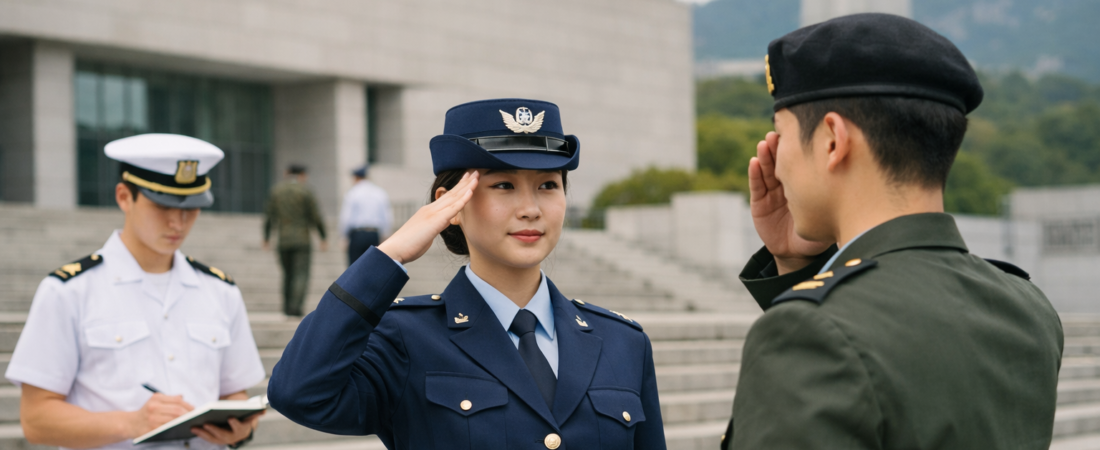
The new proposal changes that completely. A unified Korea Armed Forces Academy would bring all three tracks under one roof, with shared coursework in the early years. Officers would still specialize by service branch, but they would train side by side from day one.
This idea did not appear overnight. Military reform discussions in Korea have floated the concept for years, but political will was often missing. This time, both the ruling party and the Ministry of National Defense are pushing together, which changes the calculation entirely.
According to policy coordination meetings between the party and the government, officials agreed to move forward “with speed.” That phrase matters. It signals this is not another study destined for a drawer.
Why Merge Three Service Academies Into One?
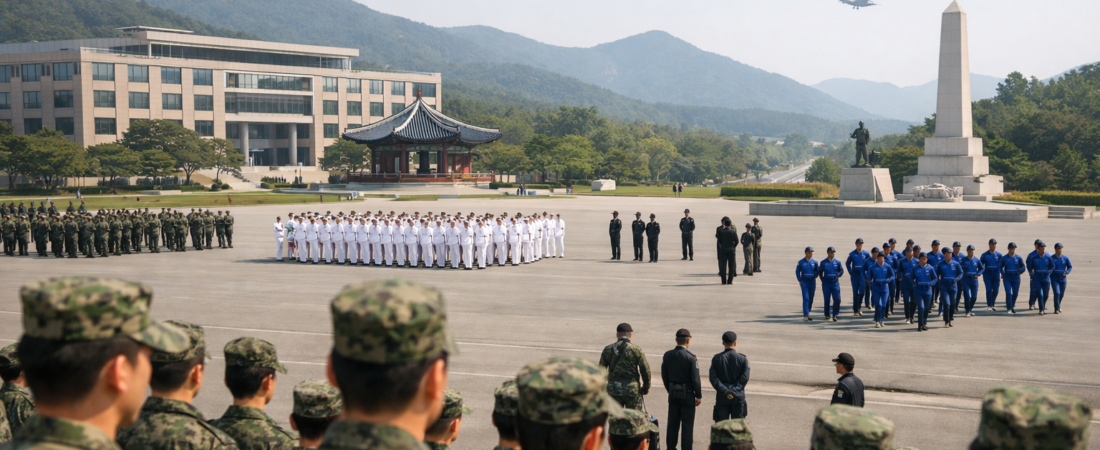
Modern warfare rarely respects old boundaries between land, sea, and air. Missiles cross domains. Drones blur the line between reconnaissance and combat. So why should officer training stay locked inside three separate silos?
That’s the core argument behind the Korea Armed Forces Academy plan. Defense officials point to the need for commanders who can direct what they call “multi-domain operations.” Simply put, future officers need to think across branches, not just within them.
Separate academies also create redundancy. Three administrations, three sets of facilities, three overlapping curriculums for subjects like leadership, ethics, and basic military theory. Consolidating these functions could free up resources for specialized, advanced training instead.
There’s a cultural angle here too. Each academy has built its own identity over decades, complete with rivalries and traditions. Merging them challenges more than logistics; it challenges institutional pride built over generations.
Still, supporters argue the benefits outweigh that friction. A shared Korea Armed Forces Academy could produce officers who already understand how the other branches think before they ever face a real crisis together. Isn’t that exactly the kind of coordination modern conflict demands?
Political Momentum Behind the Korea Armed Forces Academy
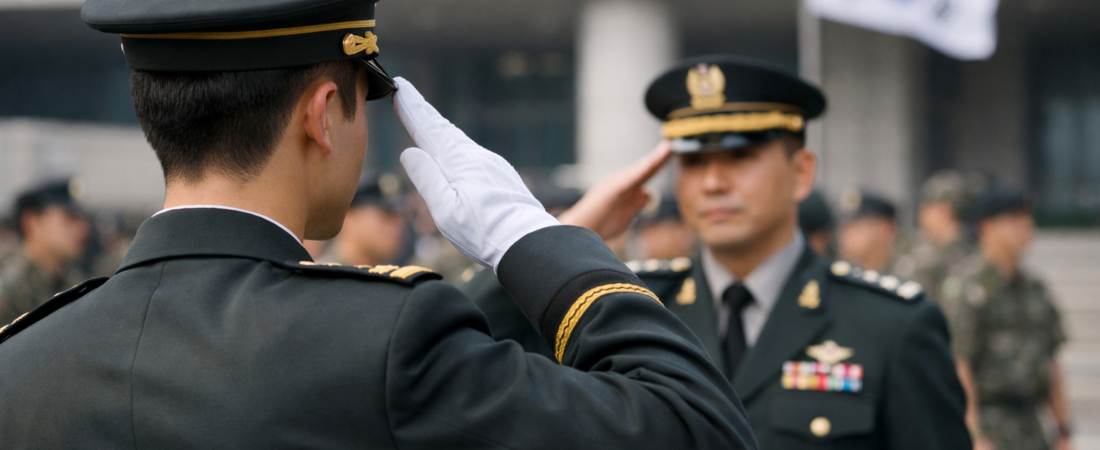
Big reforms need political backing, and this one has plenty. Minister of National Defense Ahn Gyu-baek stated plainly that he intends to complete defense reform during his term. That’s not a minor promise from a sitting minister.
The Democratic Party of Korea has matched that commitment with concrete pledges. Party leaders promised significant budget allocation and legislative support to get the Korea Armed Forces Academy off the ground. In Korean politics, budget talk usually signals how serious a plan really is.
You might wonder why a political party would invest so much capital in a military restructuring project. Part of the answer lies in broader defense reform ambitions that have circulated in Korea for years. Merging the academies fits into a larger vision of a leaner, more integrated armed forces.
For readers unfamiliar with Korean legislative process, coordination meetings between the ruling party and government ministries — like the one that produced this announcement — often function as the first formal step toward drafting actual legislation. That means the Korea Armed Forces Academy proposal is now moving from concept toward concrete policy.
If you want to track how this story develops, following coverage from sources like Yonhap News Agency will help you see how quickly the National Assembly moves on the budget and legal groundwork.
What This Means for Korea’s Military Future
Korea would not be the first country to consider this kind of consolidation. Some nations have experimented with joint officer training to build cross-branch understanding early. But full mergers of historic, separate academies remain rare and politically difficult almost everywhere they’ve been tried.
That’s what makes the Korea Armed Forces Academy proposal worth watching closely. If it succeeds, Korea could become a reference case for how mid-sized militaries modernize officer education. If it stalls, it will join a long list of reform ideas that sounded good in committee rooms but never survived contact with institutional resistance.
Think about the practical challenges too. Merging faculty, physical campuses, and decades-old curriculums takes years, not months. Budget promises are easy to make in a coordination meeting; delivering them through the National Assembly is another matter entirely.
There’s also a human element here. Current cadets, alumni networks, and career officers all have a stake in how their academy’s identity survives this transition. Reform on paper is one thing — reform that officers actually embrace is something else.
Yet the strategic logic remains hard to dismiss. Multi-domain threats are only growing, and Korea sits in one of the most militarily complex regions on earth. A unified Korea Armed Forces Academy might be exactly the kind of forward-looking investment the country needs.
Where does this leave the average observer? Watching whether political promises turn into actual funding will tell you everything. Budget commitments made in press conferences don’t always survive the next fiscal year’s negotiations.
Korea’s defense establishment is signaling real intent this time, backed by both the ministry and the ruling party. Whether the Korea Armed Forces Academy becomes reality within this administration’s term is still an open question. What do you think about combining Korea’s separate military academies into one unified institution?
AI-Generated Photorealistic Image — All people, scenes, and details in this image are entirely AI-generated and fictional. Not a real photograph of an actual person or event. 이 이미지는 AI로 생성된 가상 이미지입니다.

Leave a Reply