Table of Contents
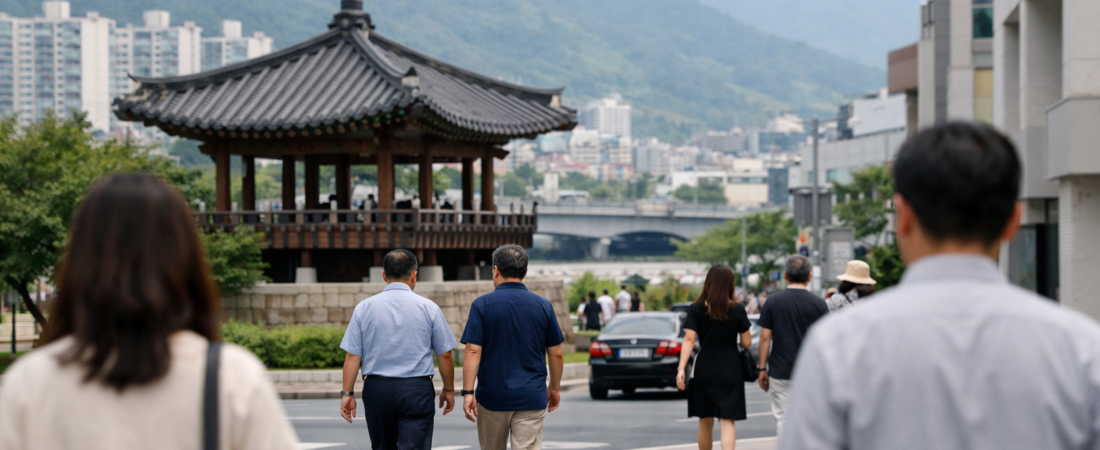
Imagine watching your city’s reservoirs shrink by the day, then hearing that a massive water festival is happening next weekend anyway. That is exactly the tension unfolding in Miryang-si, a city in South Gyeongsang Province. As severe drought and record heat grip the region, Miryang-si and the Miryang Culture and Tourism Foundation are pushing forward with the 2026 Water Festival despite the warnings.
The Miryang City Council says the timing could not be worse. This clash between celebration and crisis raises a bigger question. Who gets to decide what a community truly needs during hard times?
A City Torn Between Celebration and Crisis
South Gyeongsang Province has faced weeks of punishing heat and shrinking water supplies this summer. Farmers watch their fields crack under the sun, and local reservoirs report levels well below normal. Against this backdrop, Miryang-si chose to move forward with its signature summer event, a large-scale water festival that draws thousands of visitors every year.
For city officials, the festival represents more than fun in the sun. It is tourism revenue, local business support, and a chance to showcase Miryang-si on a national stage. Cancelling it, they argue, means losing momentum that took years to build.
But critics see it differently. Holding a water-splashing festival while nearby farms struggle for irrigation feels tone-deaf to many residents. The Miryang City Council has openly criticized the decision, calling the timing inappropriate given the disaster-level climate conditions gripping the region.
This is not just a scheduling disagreement. It is a debate about priorities when resources run scarce, and about how local governments should respond when comfort and necessity pull in opposite directions.
Understanding the Miryang-si Water Festival Controversy
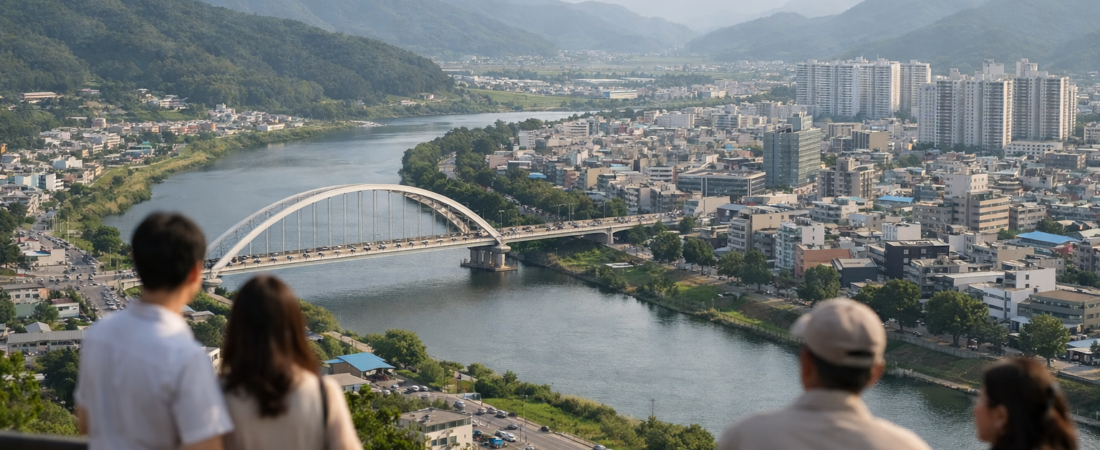
The 2026 Water Festival was designed as a flagship summer event for Miryang-si, organized jointly by the city and the Miryang Culture and Tourism Foundation. It typically features water slides, splash zones, and large public pools built specifically for the occasion. In a normal year, nobody blinks twice at this kind of celebration.
But 2026 is not a normal year. Drought conditions across South Gyeongsang Province have reached levels serious enough to trigger water-use restrictions in some areas. Against that backdrop, filling large pools purely for entertainment strikes many observers as a symbolic misstep, even if the actual water volume used is relatively small.
Isn’t that the real issue here — not just the water itself, but what the festival signals to a thirsty region? Symbols matter in public life. When a city spends resources on celebration while neighbors ration water for crops and daily use, the optics alone can damage public trust.
The Miryang City Council’s criticism centers on exactly this point. Council members argue that proceeding with the festival sends the wrong message about how seriously Miryang-si takes the current climate emergency. Local media covering the story, including Yonhap News Agency, have framed this as a broader test of disaster-response judgment for local governments.
City officials counter that the festival’s water usage has been recalculated and reduced, and that cancelling contracts at this late stage would create financial losses for vendors and staff. Both sides have valid points, which is exactly why the debate has not cooled down.
Local Government vs. City Council: Who Should Decide?
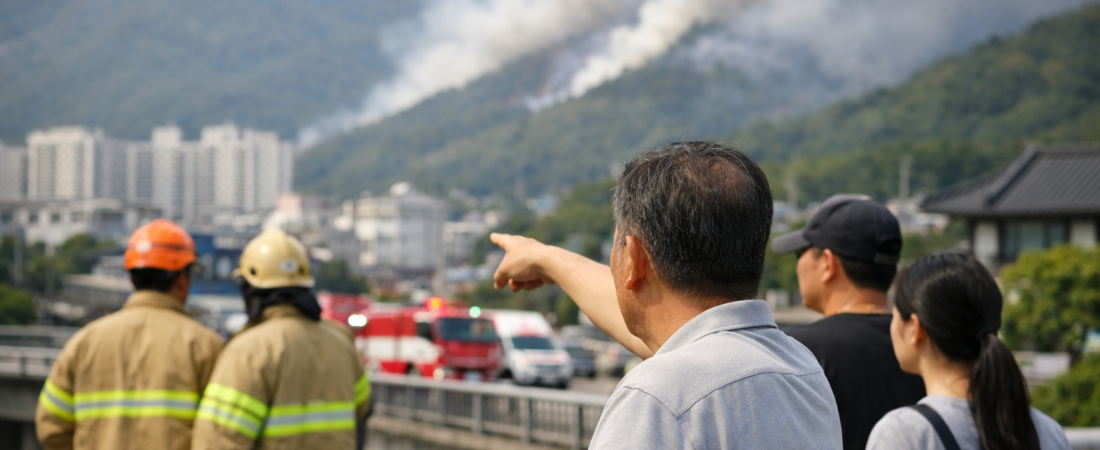
Korea’s local autonomy system, established fully in the 1990s, gives cities like Miryang-si significant control over local events and budgets. Mayors and administrative offices typically plan festivals, while city councils provide oversight and can voice formal objections. In most years, this division works smoothly, since councils rarely challenge routine cultural programming.
This case is different because it touches disaster management, not just entertainment planning. When drought reaches emergency levels, questions about resource use suddenly become political questions too. Should festival planning fall under normal administrative discretion, or should it require council approval once emergency conditions are declared?
Miryang-si’s government insists the festival falls within its normal operating authority. The city council disagrees, arguing that extraordinary climate conditions demand extraordinary caution and shared decision-making. Neither side is entirely wrong, and that is precisely what makes this a meaningful case study.
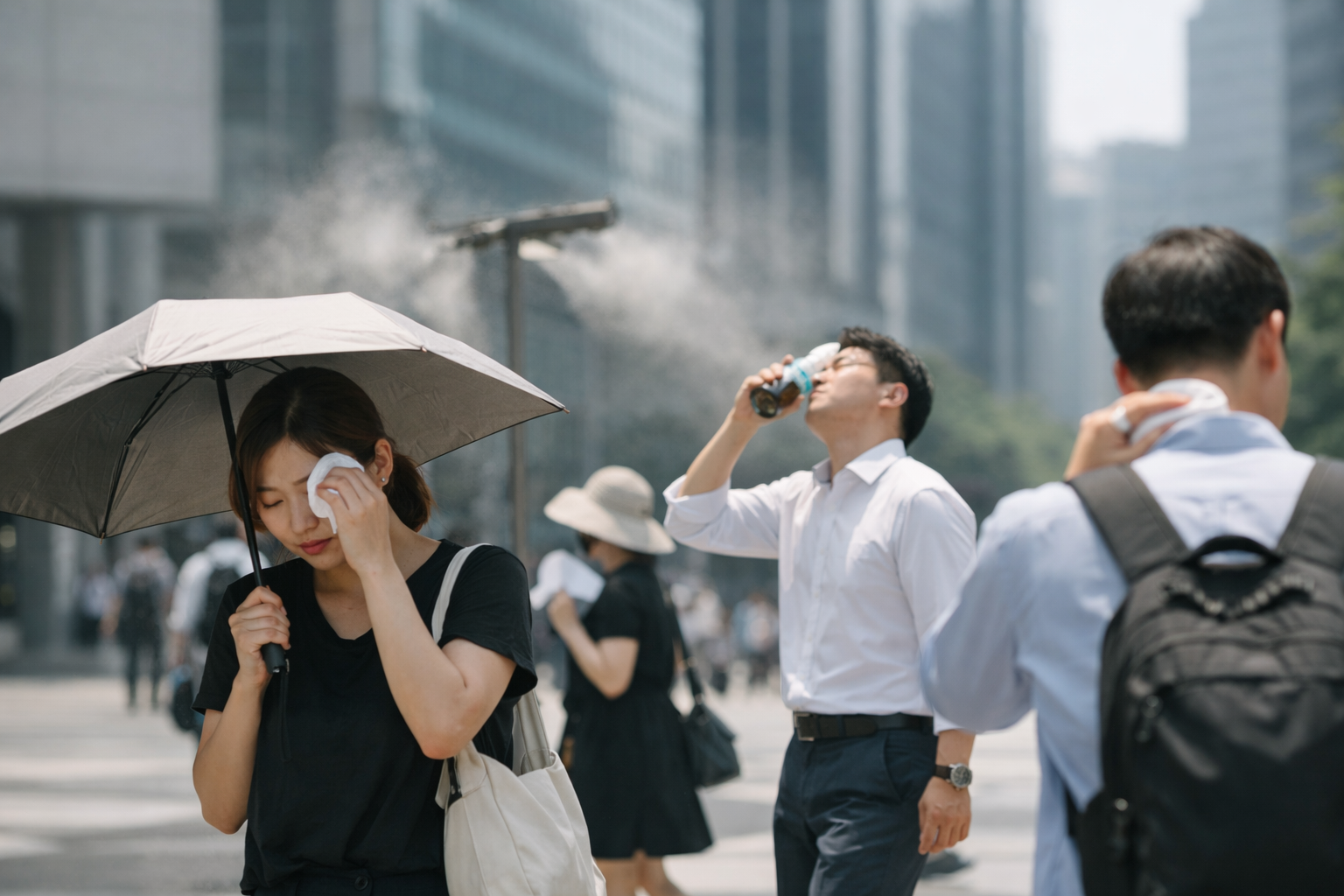
Local governments across Korea face similar dilemmas as climate volatility increases. Heatwaves arrive earlier, droughts last longer, and traditional summer festival calendars no longer align neatly with predictable weather patterns. Miryang-si may be the current flashpoint, but it will not be the last city to face this exact tension.
What This Means for Climate-Era Festivals in Korea
Local festivals matter deeply in Korean community life. They mark the rhythm of the year, support small businesses, and give neighbors a reason to gather outside their usual routines. Yet the same festival culture that brings people together can also become a source of division when timing feels wrong to some residents.
That tension is worth sitting with honestly. Miryang-si’s leaders are not villains for wanting to protect jobs and local revenue tied to the festival. The city council is not overreacting by demanding more caution during a genuine water crisis.
Both instincts come from the same place: a desire to serve the community well, just measured against different immediate pressures. The real hope here lies in what comes after this disagreement settles. Cities that build clearer emergency protocols now, ones that define exactly when festivals should pause during droughts or heat emergencies, turn this year’s conflict into next year’s better decision-making process.
Miryang-si has an opportunity most cities never get: a public, well-documented case study on balancing celebration against crisis. Future administrations, in Miryang-si and beyond, can learn from exactly how this moment unfolds. That is not a small consolation prize, it is genuinely useful groundwork for a warming future.
Climate stress is not going away, and Korean cities will keep facing these judgment calls more often, not less. The real test is not whether disagreements happen, since they clearly will. The test is whether cities like Miryang-si build better systems afterward, so the next drought does not require the same public fight all over again.
What do you think about how Miryang-si handled this decision? Should local festivals pause automatically once drought emergencies are declared, or does that go too far?
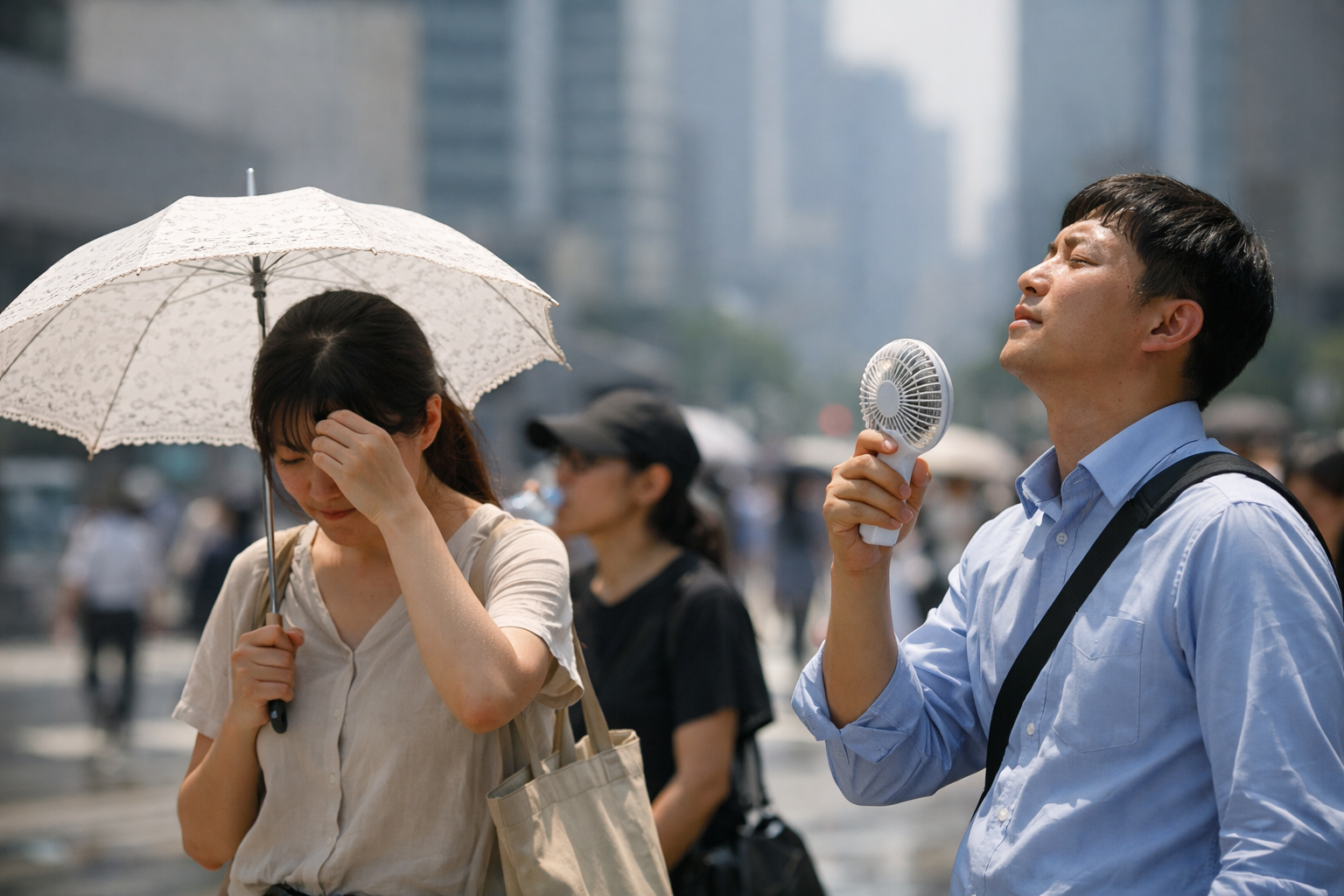
AI-Generated Photorealistic Image — All people, scenes, and details in this image are entirely AI-generated and fictional. Not a real photograph of an actual person or event. 이 이미지는 AI로 생성된 가상 이미지입니다.

Leave a Reply