Table of Contents
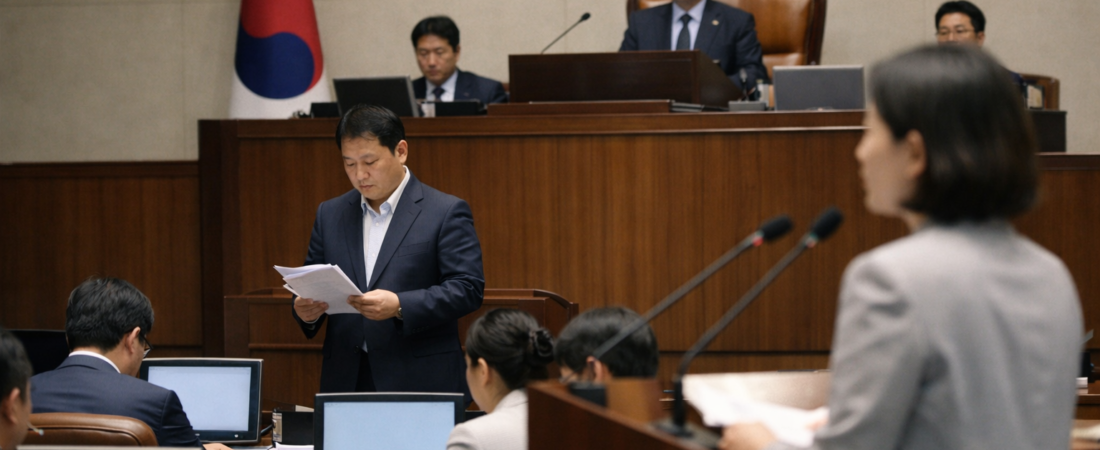
Can lawmakers actually run a country while refusing to sit in the same room? That question feels urgent right now inside the National Assembly in Seoul. Ruling and opposition parties have clashed head-on over assembly organization, the abolition of supplementary investigative power, and the introduction of a special counsel bill.
This is not a minor procedural squabble. It touches how power is checked, how prosecutors and police share authority, and how ordinary citizens get their bills passed. For anyone trying to understand modern Korean politics, this standoff at the National Assembly offers a clear window into how deep the divide has become.
A Familiar Standoff: What Sparked This National Assembly Clash?
Every new session of the National Assembly needs a basic structure first. Lawmakers must agree on committee assignments, chairmanships, and a working calendar. This process is called “assembly organization,” and it sounds boring until you realize nothing else can move forward without it.
Right now, that basic first step has become a battleground. The Democratic Party of Korea insists the People Power Party is blocking plenary sessions. Without those sessions, they argue, urgent livelihood bills simply cannot pass.
Think about that for a second. Bills meant to help ordinary people with jobs, housing, or daily expenses are sitting untouched. Why? Because the two sides cannot agree on how to even start the conversation.
The People Power Party sees things differently. They argue that structural issues must be settled first. Specifically, they want clarity on the special counsel bill and the fate of supplementary investigative power before any other business proceeds.
So who is right? Both sides claim they are protecting the public interest. But when the National Assembly grinds to a halt, it is ordinary citizens who wait the longest for answers.
Democratic Party vs. People Power Party: Two Sides, One National Assembly
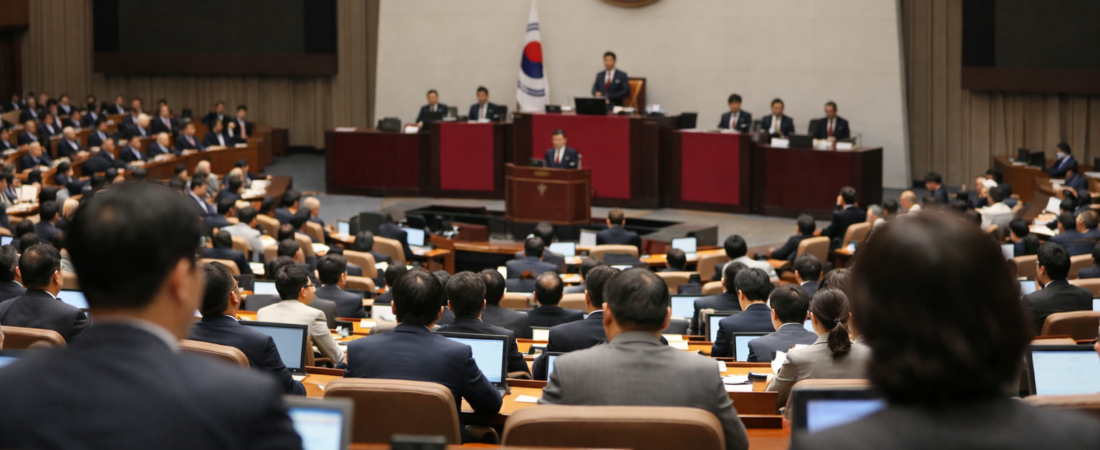
Korea’s National Assembly currently operates with a familiar cast of characters. The Democratic Party of Korea holds a strong majority, giving it significant control over the legislative calendar. The People Power Party, as the main opposition, relies heavily on procedural leverage to slow things down.
This dynamic is not new. Korean politics has long featured majority parties pushing hard for speed, while minority parties use every procedural tool available to demand negotiation. What makes this moment notable is how openly hostile the public rhetoric has become.
The Democratic Party frames the opposition’s refusal to attend plenary sessions as obstruction, plain and simple. Their argument goes like this: the National Assembly exists to pass laws, not to sit empty while livelihood bills pile up unaddressed. Every day of delay, they say, hurts small business owners, workers, and families waiting on relief measures.
The People Power Party counters that rushing forward without resolving investigative power questions is reckless. They believe skipping the special counsel debate now will only create bigger problems later. In their view, procedural patience today prevents constitutional headaches tomorrow.
Here’s the deeper issue, though. This is not really about scheduling. It’s about who gets to define what “urgent” means inside the National Assembly, and whose priorities get addressed first.
Korean democracy has weathered similar standoffs before, particularly during periods of divided government. Yet this current dispute feels sharper because it involves prosecutorial power itself. That subject strikes at the heart of how justice functions in Korea, making compromise far harder to reach.
Special Counsel Bills and Investigative Power: Why This Fight Matters
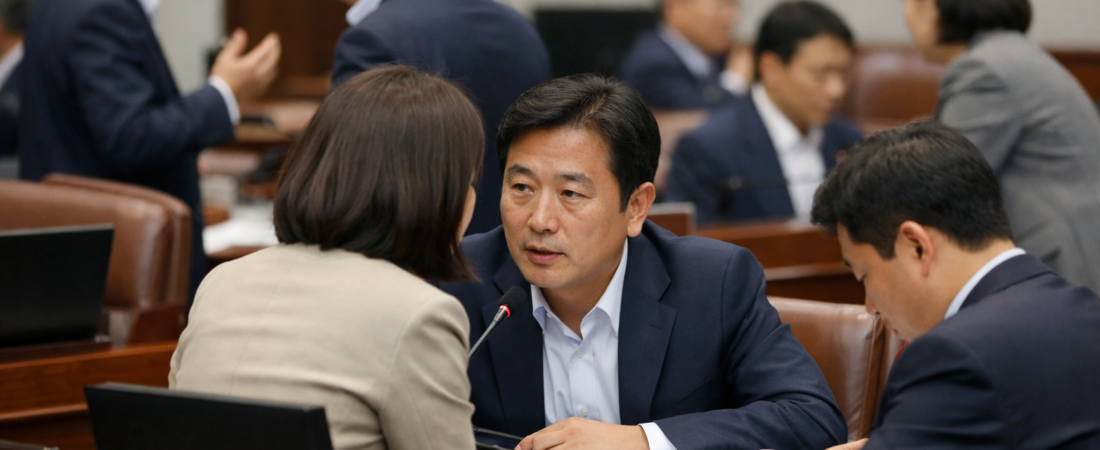
Let’s break down the two policy fights driving this National Assembly gridlock. First, there is the question of abolishing supplementary investigative power. This power currently allows prosecutors to conduct additional investigation even after police have completed their initial work.
Supporters of abolition argue that this overlapping authority creates confusion and potential abuse. Why should two agencies investigate the same case twice? Critics of abolition, however, worry that removing this power weakens accountability, especially in complex financial or political corruption cases.
Second, there is the introduction of a special counsel bill. Special counsels in Korea are typically appointed to investigate politically sensitive matters that regular prosecutors might struggle to handle impartially. Introducing a new special counsel mechanism signals distrust in existing institutions, at least according to critics.
Supporters see it differently. They view special counsels as a necessary safeguard when public trust in ordinary prosecution has eroded. For readers unfamiliar with Korean legal history, special counsel investigations have played major roles in past political scandals, including cases involving former presidents.
You can read more about how Korea’s investigative structure evolved through outlets like Korea Herald, which has tracked these institutional debates closely. Understanding this history helps explain why both parties treat these bills as existential, not procedural, matters.
Why does this matter beyond Korea’s borders? Because the balance between police, prosecutors, and independent investigators shapes how any democracy holds powerful people accountable. Korea’s current experiment offers lessons for other countries wrestling with similar institutional questions.
The National Assembly, in this sense, is not just debating paperwork. It is debating who watches the watchmen, and that question rarely has an easy answer.
What Happens Next for the National Assembly?
So where does this leave everyone? Honestly, expect the standoff to continue for now. Neither party shows signs of backing down from its core position.
The Democratic Party will likely keep pushing to convene plenary sessions, framing every delay as opposition obstruction. Meanwhile, the People Power Party will continue insisting that investigative power and special counsel questions must be resolved first. This creates a frustrating loop where each side blames the other for paralysis.
What could break this cycle? Historically, Korean political standoffs end through one of three paths: public pressure, party leadership negotiations, or a triggering event that forces compromise. Given how polarized this dispute has become, a leadership-level deal seems the most realistic path forward.
There is also a broader lesson here about how democracies function under pressure. When institutions like the National Assembly become battlegrounds for deeper power struggles, ordinary legislative business suffers. Livelihood bills, budget approvals, and everyday governance all take a back seat to structural fights.
For global readers watching Korean politics, this moment offers valuable insight. It shows how quickly procedural disputes can escalate into full institutional gridlock, especially when investigative authority is on the table. It also shows how resilient Korean democratic institutions have remained, even through repeated confrontations like this one.
Will this particular standoff end with genuine compromise, or simply fade until the next crisis forces action? That remains uncertain. What is certain is that the National Assembly will remain center stage in Korean politics for weeks to come.
As this dispute unfolds, pay attention to how each party frames the public interest. Whoever controls that narrative often controls the political outcome that follows. What do you think about how Korea’s National Assembly is handling this standoff between investigative reform and legislative gridlock?
AI-Generated Photorealistic Image — All people, scenes, and details in this image are entirely AI-generated and fictional. Not a real photograph of an actual person or event. 이 이미지는 AI로 생성된 가상 이미지입니다.


Leave a Reply