Table of Contents
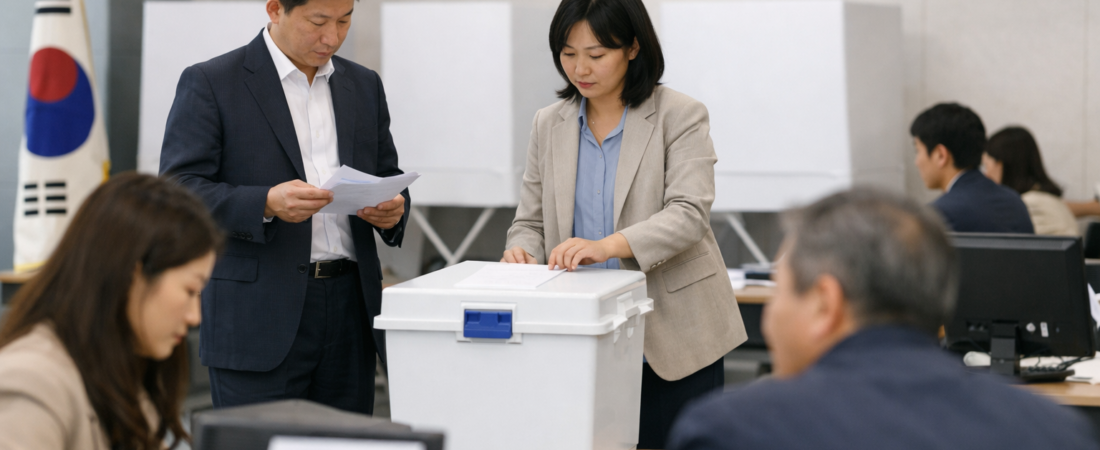
Can an election watchdog watch itself? That question sat at the center of a tense hearing in Seoul this week. Lawmakers from both major parties grilled the National Election Commission over a ballot paper shortage scandal, and the answers they got were not reassuring.
The National Election Commission, Korea’s top body for running elections, now faces its toughest public test in years. This is not just about missing ballots anymore. It is about whether the institution meant to guard fair elections has been guarding itself instead.
What Happened at the National Assembly Hearing
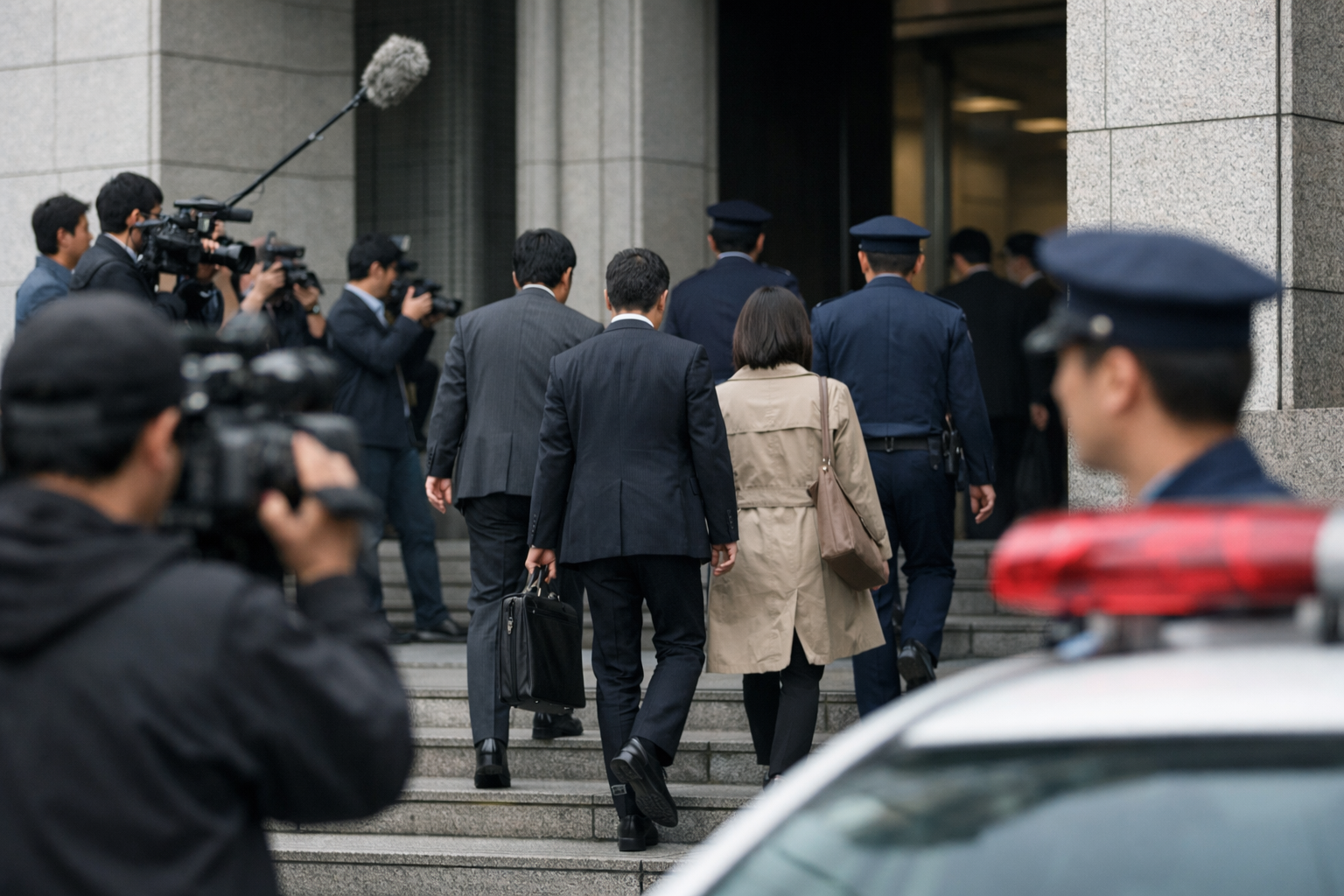
The National Assembly’s special investigation committee held a hearing this week focused on the ballot paper shortage incident. Lawmakers from the ruling and opposition parties both took aim at the National Election Commission’s internal practices. That rare bipartisan agreement alone tells you something.
When politicians who usually disagree on everything start nodding at the same criticism, you should pay attention. The hearing exposed several problems inside the National Election Commission’s audit and management systems. None of them were minor administrative slips.
Committee members raised concerns about expanded leniency in disciplinary cases. They also questioned no-bid contracts awarded to businesses linked to former employees and their families. On top of that, lawmakers said election petition materials were shared in advance, before formal legal proceedings required it.
Each of these issues, taken alone, might sound like a bureaucratic footnote. Together, they paint a picture of an organization with weak internal checks. Is this what fair election management is supposed to look like?
The committee’s job now is to determine how deep these problems run. But the hearing already delivered one clear message. The National Election Commission’s oversight culture needs a serious rework, and lawmakers on both sides agree.
Inside the National Election Commission’s Contract Practices
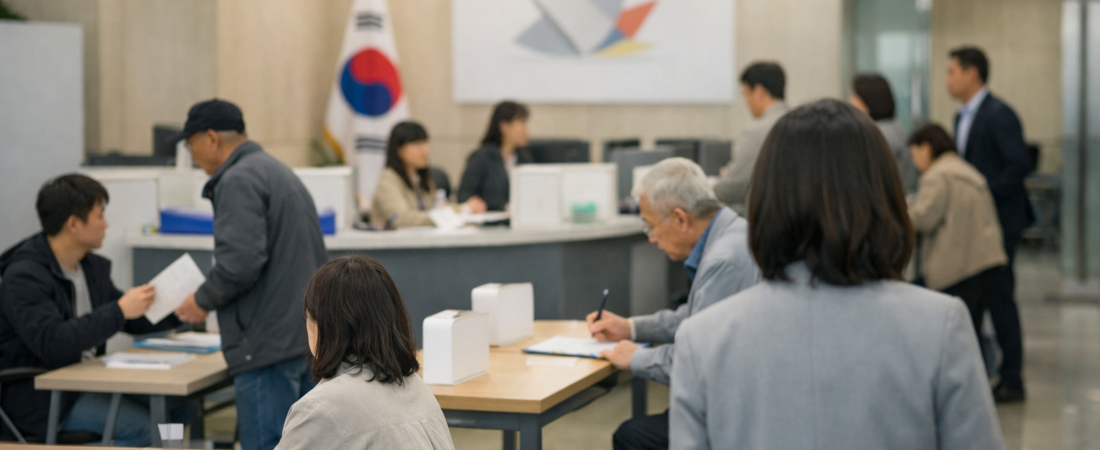
Let’s talk about the contracts, because this is where the hearing got most heated. Lawmakers pointed to a pattern of no-bid, or sole-source, contracts. Some of these deals reportedly went to companies connected to former National Election Commission staff or their relatives.
Why does this matter so much? In public institutions, no-bid contracts are supposed to be the exception, not the norm. When a government body repeatedly hires firms tied to its own former employees, competition disappears, and so does public trust.
This is not a uniquely Korean problem, but it lands harder here. The National Election Commission holds a special role in Korean democracy. It is meant to be politically neutral and procedurally spotless, precisely because elections decide who governs the country.
A contracting culture built on personal connections undercuts that neutrality. Lawmakers also flagged the commission’s disciplinary record. Committee members argued that penalties for internal wrongdoing had been quietly reduced over time, softening accountability inside the organization.
Combine loose discipline with cozy contracts, and you get an institution that polices itself poorly. Critics at the hearing used a striking phrase for this. They called the National Election Commission a “blind spot” for oversight, a place where normal scrutiny simply does not reach.
That phrase stuck, and for good reason. If true, it means the very body designed to ensure fairness has operated with less external check than almost any other public agency in Korea.
Why Both Parties Are Furious with the National Election Commission
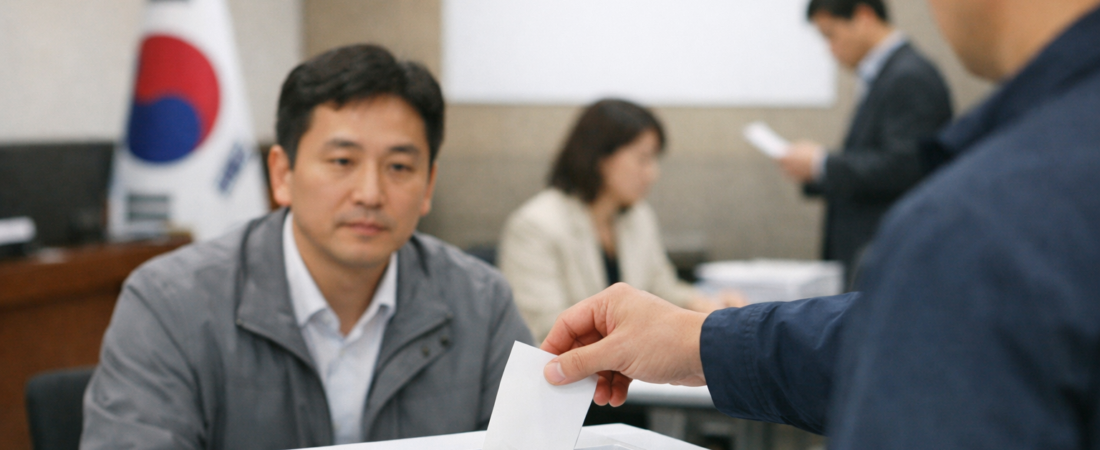
Here’s what makes this story genuinely interesting. The Democratic Party of Korea and the People’s Power Party rarely agree on anything election-related. Yet both camps used the hearing to criticize the National Election Commission’s conduct.
Their proposed solutions, however, diverge sharply. The Democratic Party of Korea is pushing for an immediate public recount of the disputed ballots. Party lawmakers argue that transparency now is the fastest way to restore public confidence in the vote count.
The People Power Party sees it differently. They want a special counsel investigation to happen first, before any recount takes place. Their argument centers on establishing facts and legal responsibility before symbolic gestures like a public recount.
Which approach is right? A recount answers “what happened to the ballots.” A special counsel investigation answers “who is responsible, and why.” Both questions matter, but they serve different goals, and that is why the two parties cannot agree on sequencing.
The National Election Commission, caught between these two demands, has offered a middle path of its own. Commission officials indicated openness to a public recount and said they are reviewing possible compensation for damages tied to the shortage incident.
That response satisfies neither side completely. The Democratic Party of Korea wants faster action. The People Power Party wants investigation before remedy.
Meanwhile, the National Election Commission sits under pressure from every direction, trying to manage a credibility crisis while national lawmakers debate the next steps. For readers watching from outside Korea, this political tug-of-war might look familiar.
Election administration disputes tend to follow similar patterns worldwide, splitting along lines of “fix it now” versus “investigate first.” What makes the Korean case notable is how quickly it escalated to a formal parliamentary hearing with subpoena power.
What Comes Next for the National Election Commission
So where does this leave the National Election Commission going forward? The immediate next step is likely some form of ballot recount, given the bipartisan pressure building around it. But a recount alone will not fix the deeper structural issues raised at the hearing.
Disciplinary reform is probably the easier fix. The commission can tighten penalty guidelines and reduce the leniency lawmakers criticized. Contract reform will be harder, since it requires dismantling long-standing relationships between the agency and its vendor network.
Legal and structural reform may take longer still. If a special counsel investigation moves forward, as the People Power Party wants, the process could stretch over months. That timeline matters, because public trust in election bodies does not wait patiently for slow institutional fixes.
Historically, Korea’s election commission system was built after democratization in the late 1980s, designed specifically to keep elections independent from political interference. That founding mission makes today’s controversy feel especially significant.
An institution born to guarantee fairness is now being asked to prove it still deserves that role. For readers interested in following the committee’s ongoing findings, additional coverage is available through Yonhap News Agency, which has tracked the hearing testimony closely.
What should you watch for next? Keep an eye on whether the National Election Commission actually implements the reforms lawmakers demanded, or whether this becomes another hearing that fades from headlines without real change.
Korea has seen institutional scandals before that produced strong rhetoric but limited follow-through. Will this be different, given how united the political parties currently seem on the underlying problem, even if they disagree on the remedy?
The answer will shape how much Korean voters trust their election system in the next national vote. Institutions earn credibility slowly, and lose it quickly, a lesson the National Election Commission is learning in real time this month.
How this plays out will also send a signal internationally. Democracies everywhere face similar questions about administrative transparency inside election bodies, and Korea’s response could become a case study either way.
What do you think? Should Korea prioritize a fast public recount, as the Democratic Party of Korea argues, or should investigators establish accountability first, as the People Power Party insists?
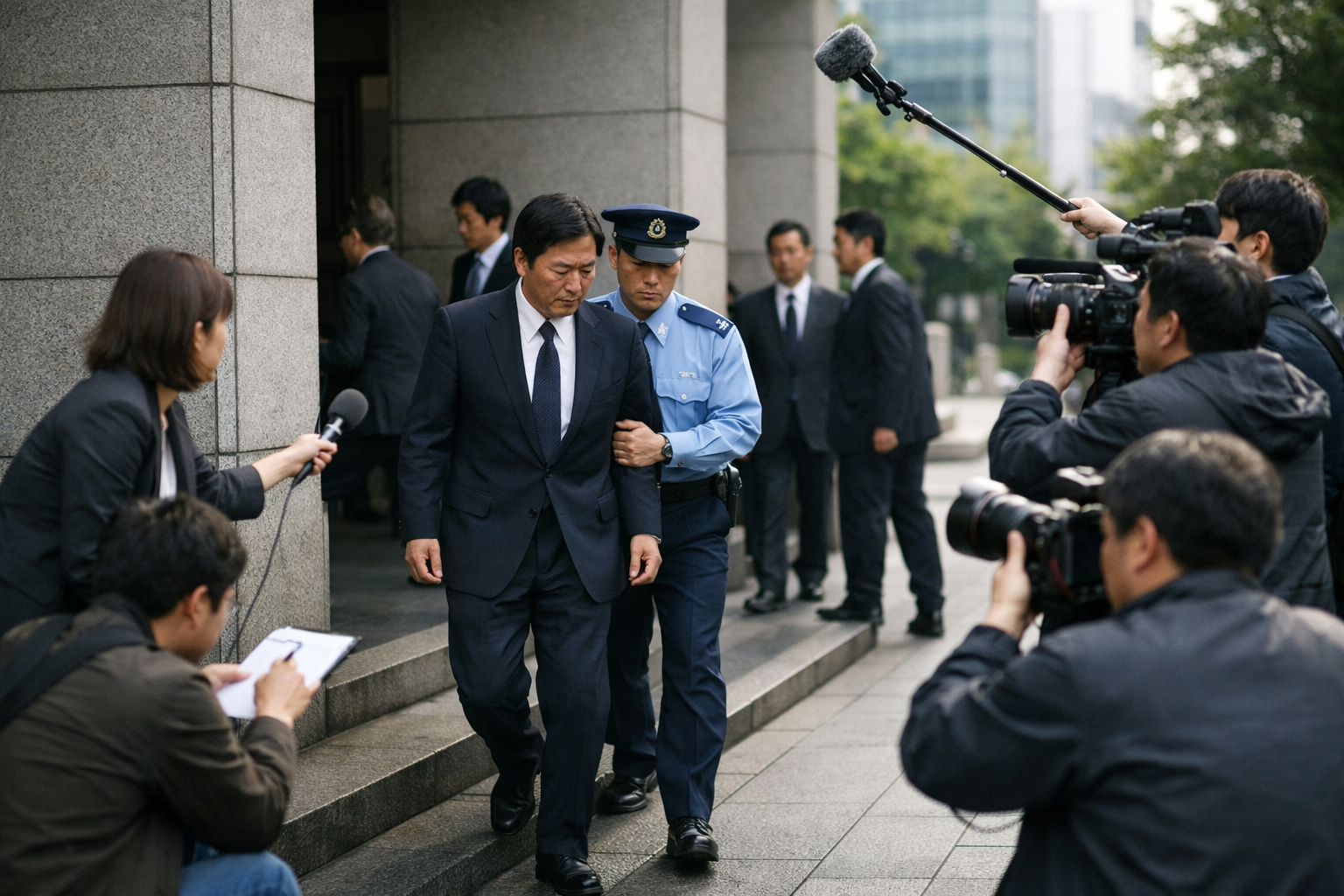
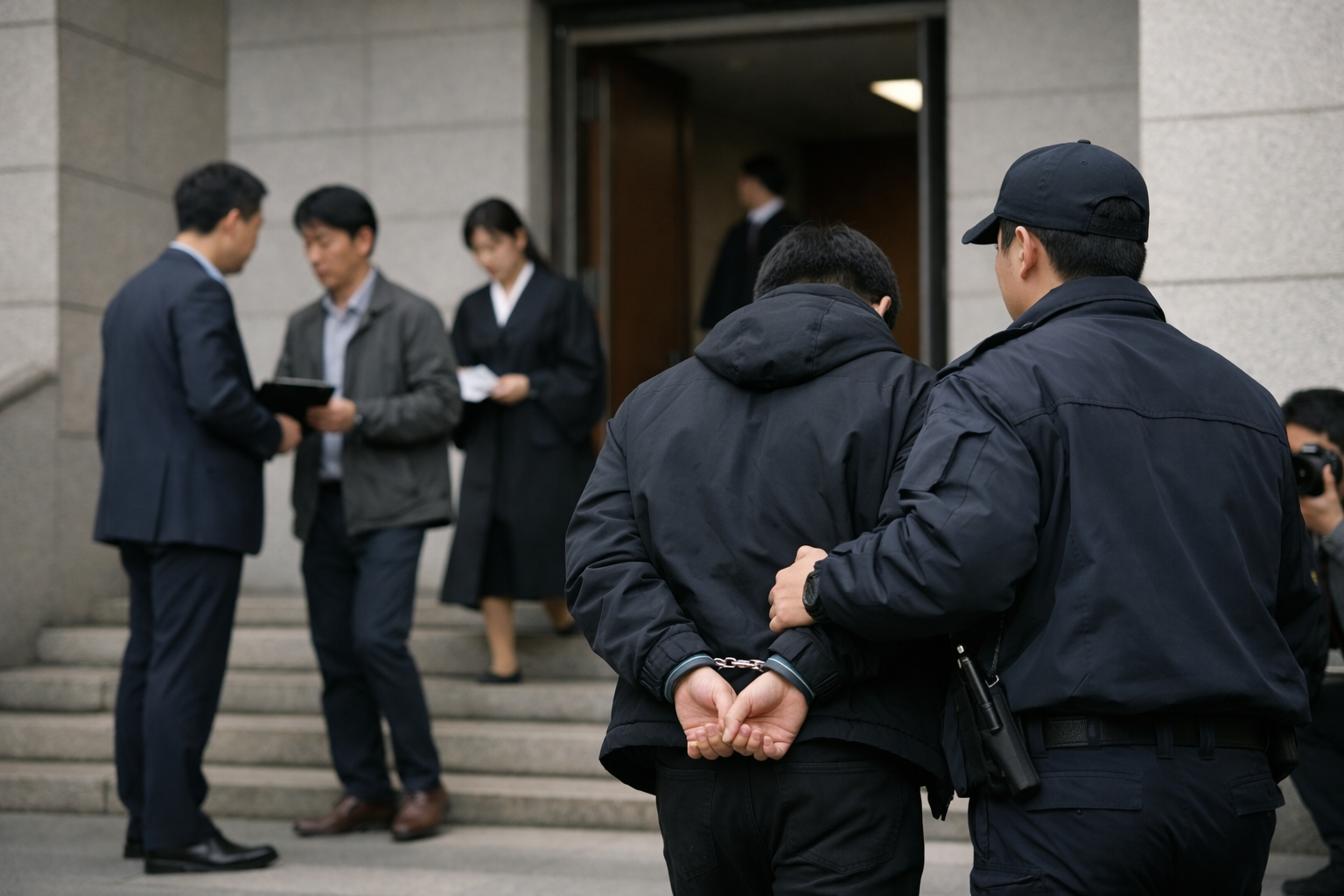
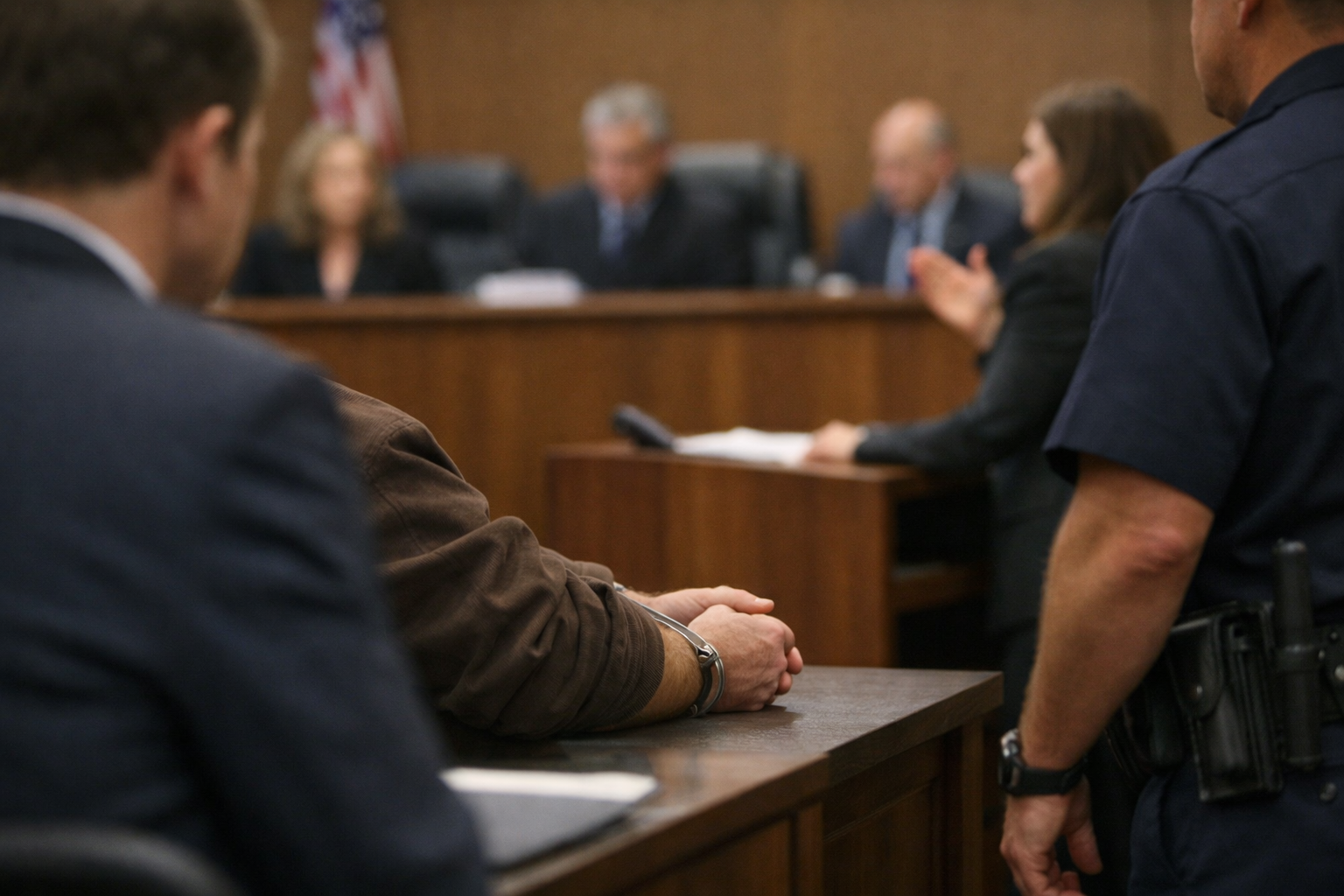
AI-Generated Photorealistic Image — All people, scenes, and details in this image are entirely AI-generated and fictional. Not a real photograph of an actual person or event. 이 이미지는 AI로 생성된 가상 이미지입니다.
Leave a Reply