
Table of Contents
Can a three-hour epic still pack Korean theaters in 2026? Christopher Nolan’s Odyssey just answered that question with a resounding yes. Seventeen days into its run, the film crossed six million admissions in South Korea.
That number matters more than it might seem at first glance. In a streaming-first era, six million tickets tells you something real about how Korean audiences still feel about cinema. Let’s look at why Odyssey became such a phenomenon, and what star Matt Damon had to say about it.
Why Odyssey Just Hit a Huge Milestone in Korea
Distributor Universal Pictures confirmed the milestone on August 21, exactly seventeen days after the film’s Korean release. Odyssey has held the number one spot at the box office every single day since it opened. That kind of consistency is rare, even for a Nolan film.
Think about how crowded the Korean box office usually is. Local blockbusters, Hollywood tentpoles, and awards-season dramas all compete for the same screens. For Odyssey to hold first place this long, it needed more than curiosity clicks or opening weekend hype.
It needed word-of-mouth staying power, and that’s exactly what it got. Korean audiences kept returning, and new viewers kept discovering it through reviews and recommendations. Six million admissions puts Odyssey firmly among the year’s biggest theatrical successes in Korea.
Matt Damon’s Message to Korean Fans

Universal Pictures also released a video message from lead actor Matt Damon, addressed directly to Korean moviegoers. In it, Damon thanked audiences for the “remarkable box office performance” of Odyssey. He didn’t stop at a simple thank you, though.
Damon encouraged fans to watch the film “on as large a screen as possible.” That’s a specific and meaningful request, especially for a Nolan project. Why would an actor care so much about screen size?
Because Nolan films are famously built around IMAX and large-format photography. Every wide shot, every sound cue, gets designed for maximum scale. Damon’s message wasn’t just gratitude — it was a hint about how the filmmakers intended Odyssey to be experienced.
This kind of direct actor-to-audience communication has become more common in Korea’s film marketing. Studios know Korean fans respond well to personal gestures from international stars. You’ve probably noticed similar video messages before major releases here, and this one clearly resonated with audiences already invested in the film.
Why Koreans Still Choose the Big Screen

South Korea has one of the most theater-loving audiences in the developed world. Even with strong streaming habits, Koreans consistently show up for films that promise a genuine cinematic event. Nolan’s name alone tends to guarantee that kind of event status.
His previous films, including Oppenheimer, performed exceptionally well in Korean theaters too. That track record built enormous anticipation for Odyssey well before its release. You could call Nolan one of the few directors whose name functions as its own marketing campaign.
Korean multiplex chains have also invested heavily in premium formats like IMAX and 4DX over the past decade. That infrastructure gives audiences real reasons to choose theaters over home viewing. If you’ve ever sat in a Korean IMAX auditorium, you understand why Damon’s advice about screen size makes sense — the sound system alone can rearrange your internal organs (in the best way).
For more details on the film’s ongoing box office run, you can check Kyunghyang Shinmun. The consistent number one ranking of Odyssey suggests Korean theater culture remains resilient, even as global viewing habits shift.
What This Success Says About Korean Moviegoers
There’s something worth pausing on here. Korean audiences didn’t just watch Odyssey once and move on — they kept the film at number one for over two weeks. That kind of sustained loyalty says something about what people are really craving.
Shared experience still matters, even in an age of endless personal streaming queues. Sitting in a dark theater with strangers, all watching the same story unfold together, offers something a phone screen simply cannot replicate. But we should be honest too: this same love of communal spectacle can crowd out smaller, quieter Korean films that never get the screen count they deserve.
That tension isn’t new, and it isn’t hopeless either. Korean independent cinema has found real footing through festivals, streaming partnerships, and dedicated arthouse theaters in Seoul and beyond. The same audience that fills IMAX seats for Odyssey often shows up for smaller festival premieres too, proving that big-budget spectacle and quiet storytelling can coexist rather than compete.
Where does this leave the future of theatrical releases in Korea? If Odyssey is any indication, big-screen storytelling isn’t dying — it’s evolving alongside streaming, not being replaced by it. Nolan’s continued success in Korea suggests audiences here still want spectacle worth leaving the house for.
What do you think — does a film like Odyssey make you more likely to choose a theater over your couch this year?
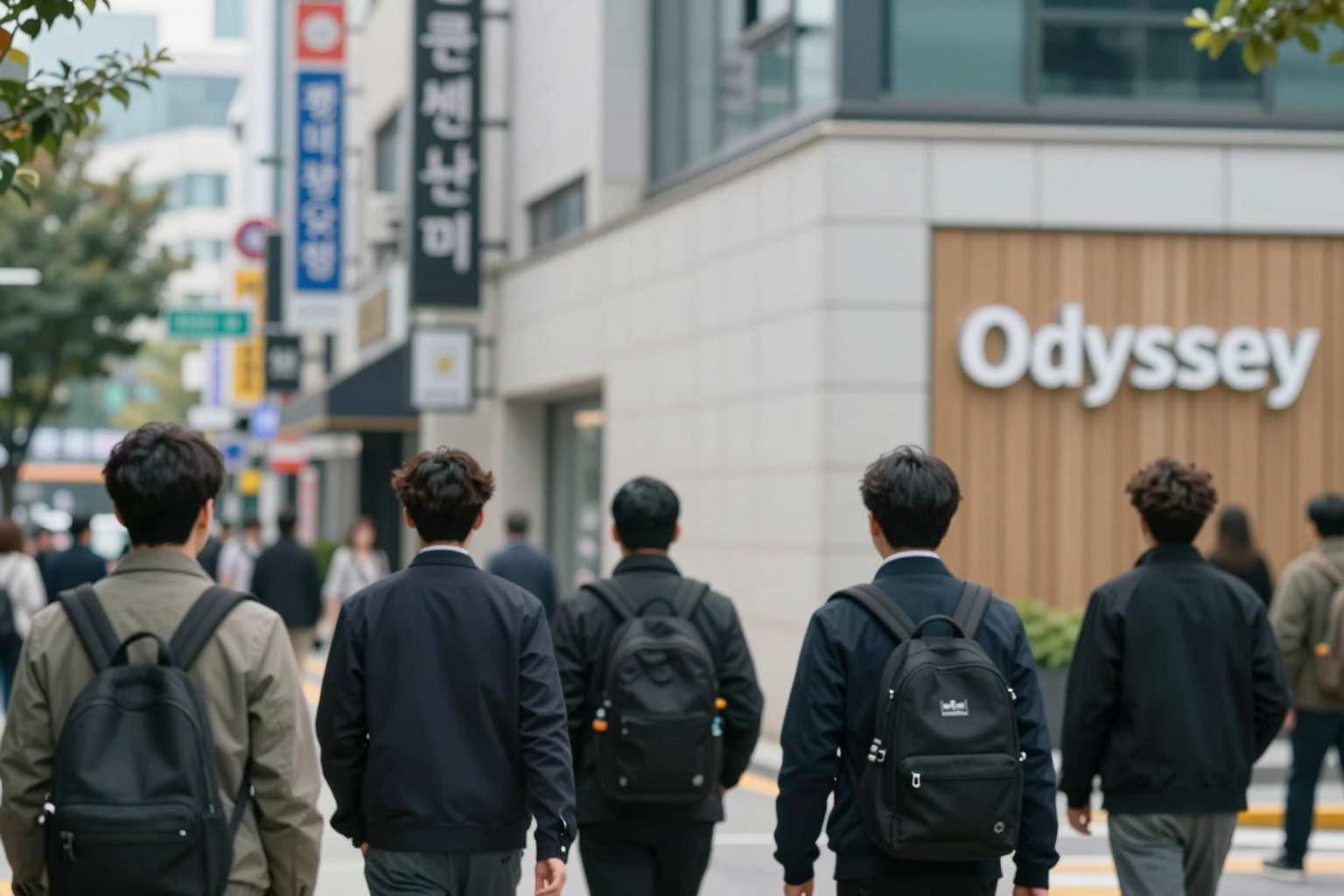
AI-Generated Photorealistic Image — All people, scenes, and details in this image are entirely AI-generated and fictional. Not a real photograph of an actual person or event. 이 이미지는 AI로 생성된 가상 이미지입니다.



Leave a Reply