Table of Contents
Have you ever wondered why Koreans still line up for theater tickets when streaming sits right on their phones? Odyssey, Christopher Nolan’s latest blockbuster, just gave us a real answer. In just 17 days, this film crossed 6 million admissions in South Korea, and it hasn’t left the top spot at the box office once.
That kind of run is rare, even for a Nolan film. Something about Odyssey is pulling Korean moviegoers back into theaters, again and again. Let’s look at why this movie became such a phenomenon, and what it says about Korean film culture today.
Odyssey Crosses 6 Million Viewers in Korea
On August 21, distributor Universal Pictures confirmed that Odyssey had passed 6 million viewers in Korea. That milestone came just 17 days after its release. For context, many major Hollywood releases never reach that number during their entire theatrical run in Korea.
This film has held the number one box office spot every single day since it opened. That’s not a fluke. It suggests strong word-of-mouth, repeat viewings, and a genuine cultural moment building around Odyssey in Korean theaters.
Korea has long been one of Nolan’s most loyal international markets. Films like Interstellar and Oppenheimer both found outsized success here compared to other countries. Odyssey now appears to be continuing that pattern, and possibly surpassing it.
Why does Korea respond so strongly to Nolan’s work? Part of the answer lies in the country’s deep theatrical infrastructure, especially its premium large-format screens. That connects directly to the reason Matt Damon urged fans to see this particular film big.
Why Korean Audiences Keep Choosing Big Screens

Korea has one of the highest concentrations of premium cinema formats per capita in the world. IMAX, 4DX, and Dolby Cinema screens are common even outside Seoul. This matters enormously for a film like Odyssey, which reportedly leans hard on scale and immersive sound design.
Think about it this way: would you watch a sweeping, IMAX-shot epic on a laptop if a giant screen sat twenty minutes away? Most Korean audiences say no. Going to the theater here isn’t just about seeing a film — it’s an event, often shared with friends or a date.
This cultural habit didn’t appear overnight. Korean multiplex chains invested heavily in premium formats over the past decade, betting that audiences would pay more for a bigger experience. That bet paid off spectacularly for Odyssey.
Koreans clearly take their moviegoing seriously — book a bad seat here and you’ll hear about it for weeks. This isn’t a small thing either; theatrical attendance in Korea rebounded faster after the pandemic than in many other countries. That resilience helped set the stage for Odyssey‘s current run.
Matt Damon’s Message and What It Reveals

Universal Pictures released a video message from Matt Damon addressed directly to Korean audiences. In it, he thanked fans for creating what he called “an amazing box office performance.” He also encouraged viewers to watch Odyssey “in as large a theater as possible.”
This kind of direct gratitude video isn’t just marketing fluff. It signals that Hollywood studios now see Korea as a make-or-break market for certain films. When a lead actor personally addresses Korean fans, that tells you something about how much this market matters.
Damon’s emphasis on theater size lines up with what critics have said about Odyssey‘s visual ambition. Nolan is known for shooting on IMAX film cameras and designing sequences specifically for giant screens. Watching this on a small television, according to many early reviewers, means losing a large part of the intended experience.
You can read more about the film’s international rollout and reception through outlets like Kyunghyang Shinmun, which has been tracking the box office numbers closely. The consistent coverage itself says something about how big this story has become in Korean culture news. Few films generate this much sustained media attention past their opening weekend.
What This Means for Korean Cinema Culture
Does a film like Odyssey prove that theatrical cinema still has a future? The numbers here suggest yes, at least in Korea. But let’s be honest about the fuller picture too.
Ticket prices in Korea have risen sharply since the pandemic, and many smaller, independent films still struggle to find screen time as blockbusters like Odyssey dominate multiplex schedules. That’s a real tension worth naming, not brushing aside. At the same time, this same blockbuster energy keeps theaters financially healthy enough to keep showing anything at all, including the smaller films that need those screens to survive.
There’s something quietly hopeful in watching strangers sit together in a dark room, moved by the same story at the same moment. That shared experience can’t be fully replicated by a phone screen, no matter how good the resolution gets. And yet, the same crowded theater culture that creates this collective wonder can also crowd out quieter, smaller stories that deserve an audience too.
Maybe the healthiest path forward isn’t choosing between spectacle and intimacy, but making room for both. Korean cinemas have shown they can support massive global blockbusters like Odyssey while still carving out space for local independent films when audiences and distributors make the effort. That balance, imperfect as it is, feels worth protecting.
Where does Odyssey go from here? If current trends hold, it may climb even higher on Korea’s all-time box office charts before its run ends. What do you think makes Korean audiences so willing to keep showing up for the biggest screen possible?
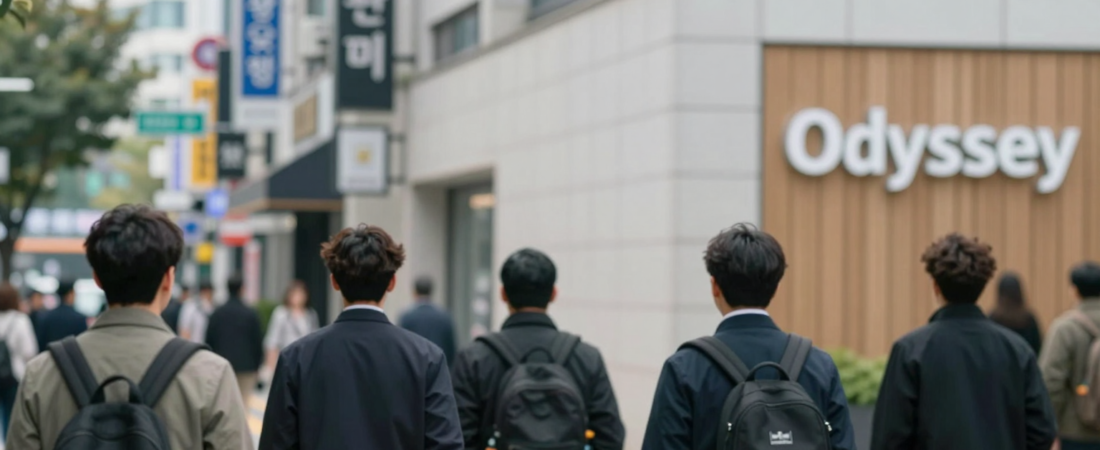
AI-Generated Photorealistic Image — All people, scenes, and details in this image are entirely AI-generated and fictional. Not a real photograph of an actual person or event. 이 이미지는 AI로 생성된 가상 이미지입니다.




Leave a Reply