Table of Contents
What if the person who once folded your laundry ended up running a company worth 50 billion won? That is exactly the story now capturing attention in Korea, centered on kimchi master Park Mi-hee.
She once worked as a household helper for the late Daewoo Group chairman Kim Woo-choong. Today, Park Mi-hee stands as the CEO of a thriving kimchi business with annual revenue near 50 billion won.
Her story is set to air on KBS 2TV’s variety show “The Boss’s Ear Is a Donkey’s Ear” on August 23. It’s a tale worth telling, and it raises a bigger question too.
From Housekeeper to CEO: The Untold Story
Kim Woo-choong was one of Korea’s most powerful business figures, the founder of Daewoo Group. His conglomerate once ranked among Korea’s top chaebols before its dramatic collapse in 1999.
Behind the scenes of that towering empire, Park Mi-hee worked quietly as a domestic helper in the Kim household. Few would have guessed she would later build her own business success story.
Does this surprise you? It shouldn’t, not entirely — Korea’s modern economic history is full of people who started at the bottom and climbed through sheer persistence.
But her path from housekeeper to CEO still stands out. Park Mi-hee’s transformation shows how far personal drive can carry someone, regardless of where they started.
Who Is Park Mi-hee?

Park Mi-hee is now known across Korea as a “legendary kimchi master.” That title did not come easily or quickly.
She spent years learning the craft of traditional kimchi-making, refining recipes passed down through generations of Korean home cooks. Kimchi, after all, is not just food in Korea — it’s practically a cultural institution (yes, some households still ferment it by the hundreds of jars each winter).
Her time working in the Kim Woo-choong household reportedly shaped her understanding of hospitality and precision. Those lessons, learned in a demanding domestic environment, later became the foundation of her business philosophy.
What connects a housekeeping job to a food empire? For Park Mi-hee, it seems to be discipline, attention to detail, and an unwillingness to settle for less than excellence.
Her story has resurfaced now because of the upcoming KBS broadcast. Producers of “The Boss’s Ear Is a Donkey’s Ear” apparently found her backstory compelling enough to feature prominently.
The Kimchi Business That Built a 50-Billion-Won Empire

Building a kimchi company generating roughly 50 billion won annually is no small achievement. That places Park Mi-hee among the more successful entrepreneurs in Korea’s traditional food sector.
Korea’s kimchi industry has grown significantly over the past two decades. Rising global interest in Korean food culture, often called Hallyu’s culinary wing, has pushed demand for authentic, high-quality kimchi both domestically and abroad.
Companies like Park Mi-hee’s benefit directly from this trend. As Korean cuisine gains international recognition, consumers increasingly seek out producers with genuine craftsmanship and a compelling story behind their brand.
You might wonder — how does a homemade recipe scale into a nationwide business? It usually takes consistency, smart distribution, and a founder willing to adapt tradition without losing its soul.
Park Mi-hee reportedly did exactly that. She maintained traditional fermentation methods while building the infrastructure needed to supply a much larger customer base.
For readers curious about the broader kimchi industry landscape, outlets like Maeil Business Newspaper have covered similar success stories emerging from Korea’s food sector.
What Park Mi-hee’s Journey Teaches Us
Stories like this one tend to spread quickly because they touch something deeper than business success. They remind us that a person’s starting position rarely tells the whole story of where they might end up.
Still, it’s worth being honest here. For every Park Mi-hee, there are countless domestic workers whose skill and effort never translate into recognition or opportunity — the system that makes such rare success stories so remarkable is the same system that often keeps others invisible.
That tension matters, and pretending it doesn’t would be dishonest. But it also doesn’t erase the value of what Park Mi-hee accomplished, or the hope her story offers to others facing similar starting points.
Korea has seen a slow but real shift toward recognizing labor and skill wherever they appear, whether in a corporate boardroom or a household kitchen. Programs supporting small food entrepreneurs, along with growing consumer interest in authentic local brands, are giving more people a path forward.
Park Mi-hee’s rise doesn’t erase the harder realities many workers face. It does, however, point toward what’s possible when opportunity, effort, and timing finally meet.
So what happens next for Park Mi-hee? Her upcoming appearance on KBS will likely introduce her story to an even wider audience, both in Korea and among global fans of Korean food culture.
Will more entrepreneurs with similarly humble beginnings get the spotlight they deserve? That depends partly on how much Korean media continues telling stories like hers.
What do you think — does Park Mi-hee’s journey change how you see the people working quietly behind the scenes in your own life?
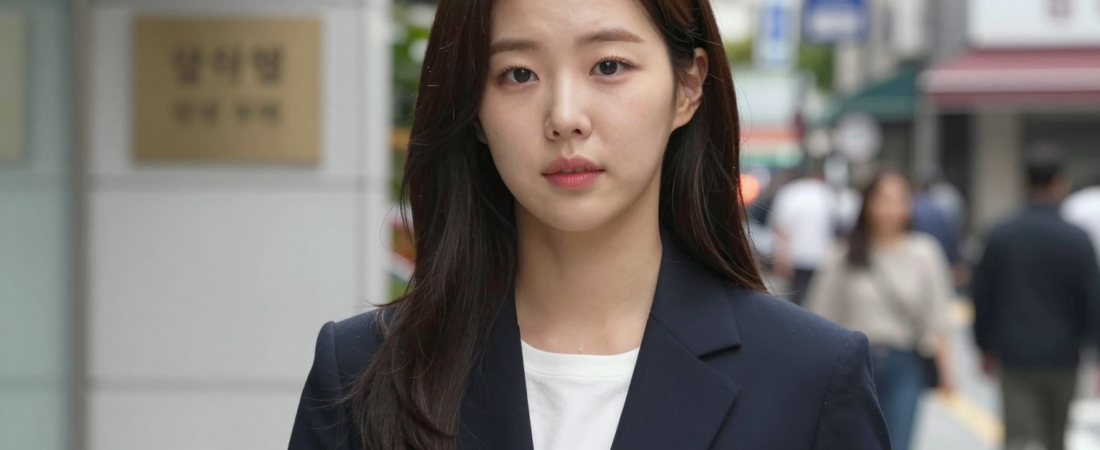
AI-Generated Photorealistic Image — All people, scenes, and details in this image are entirely AI-generated and fictional. Not a real photograph of an actual person or event. 이 이미지는 AI로 생성된 가상 이미지입니다.


Leave a Reply