Table of Contents
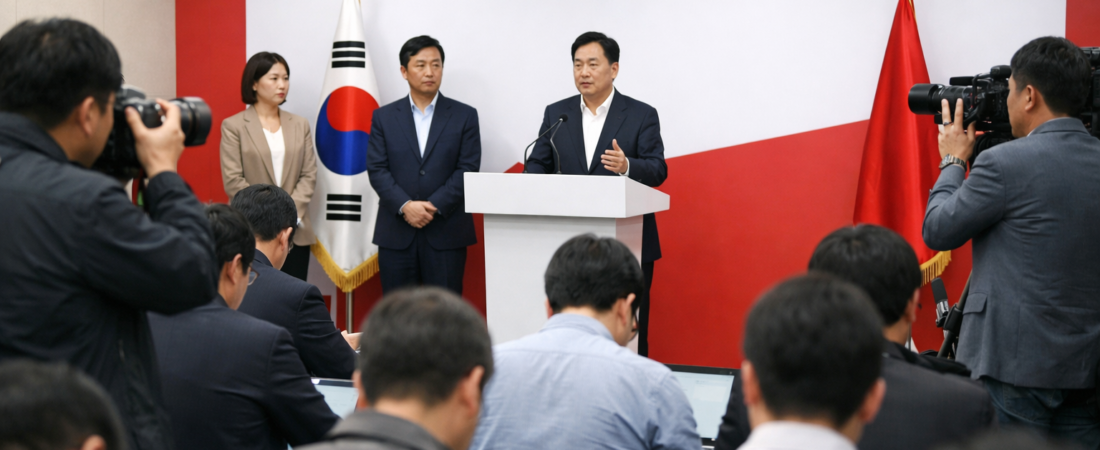
Can a single physical altercation shake an entire political party? Inside the People Power Party, that question is no longer hypothetical. A so-called “collar-grabbing incident” between lawmakers has triggered a political storm that goes far beyond one heated moment.
This isn’t just office drama. It’s a window into deep tensions running through South Korea’s main conservative party right now.
What Really Happened Inside the People Power Party
The incident itself sounds simple on the surface. A physical confrontation broke out between members of the People Power Party, and things escalated quickly.
What started as a disagreement turned physical enough that one lawmaker grabbed another by the collar. Sounds shocking, right?
But in Korean politics, physical confrontations between lawmakers aren’t entirely new. Still, the timing and the players involved make this one different.
The incident happened during a period when the People Power Party is already navigating internal power struggles. Factional lines within the party have hardened in recent months.
So when tempers flared, it wasn’t just two individuals losing control. It became a proxy fight for something much bigger — control over the party’s direction.
SBS News covered the fallout in its morning briefing segment, framing it as more than a personal lapse in judgment. According to the SBS News report, the incident quickly moved from a private dispute to a public political issue.
That shift matters. Once an internal scuffle becomes public news, the People Power Party has to manage it as a reputation crisis, not just a personnel matter.
Kwon Young-jin’s Apology: Genuine Regret or Damage Control?
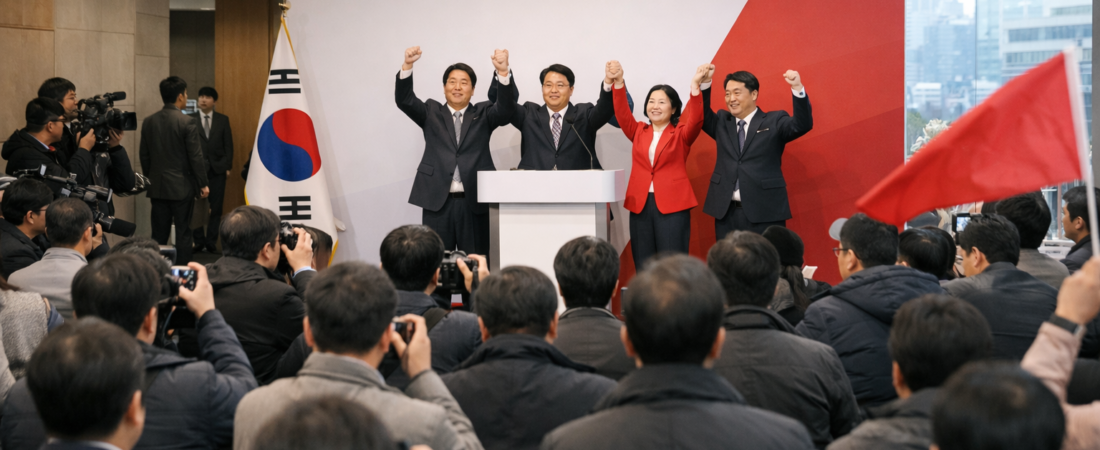
Lawmaker Kwon Young-jin didn’t wait long to respond. He apologized publicly, calling the incident “a huge mistake in my life.”
That’s a strong phrase. It suggests real regret, not a scripted political apology.
But here’s the question worth asking: does an apology settle the matter, or does it just open a new chapter? In Korean political culture, public apologies often serve as the opening move, not the closing one.
Once a lawmaker apologizes, the party leadership decides what comes next. Sometimes an apology satisfies critics.
Other times, it invites more scrutiny — especially if people suspect the apology is covering up something deeper. That appears to be exactly what’s happening within the People Power Party right now.
Party insiders and leadership figures aren’t simply accepting Kwon’s apology at face value. Instead, they’re asking what the incident really represents.
Was it a personal outburst, or a symptom of factional conflict boiling over? That distinction matters enormously for how the People Power Party decides to respond.
If leadership treats this as a personal failing, a simple reprimand might follow. But if they see political motives behind it, the consequences could be far more serious.
Leadership’s Response: Why the People Power Party Is Talking Discipline
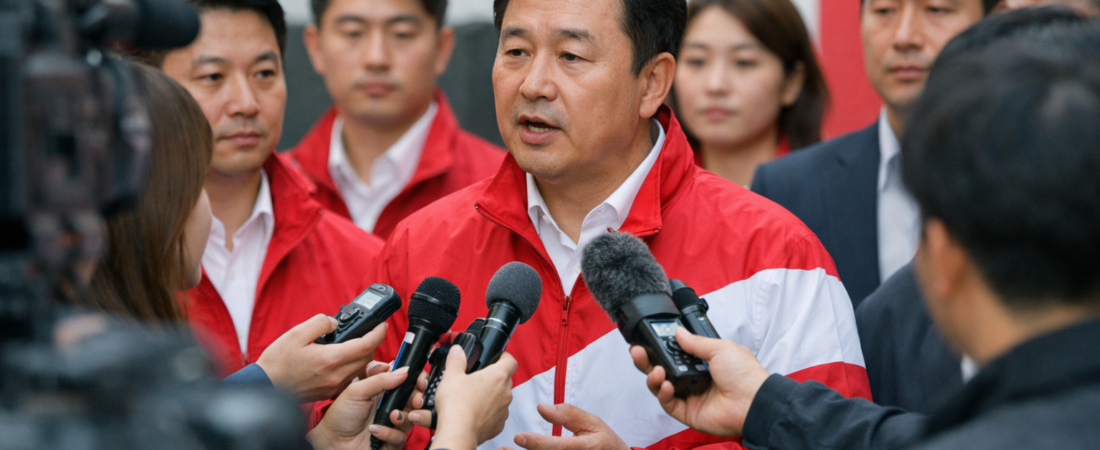
This is where things get politically interesting. The party’s mainstream faction, sometimes called the “party authority faction,” isn’t taking the apology at face value.
They suspect the incident carries political implications beyond a simple loss of temper. And that suspicion is driving talk of formal disciplinary action.
Analyst Jang Sung-chul offered a sharp reading of the situation. He pointed to lawmaker Jeong Jeom-sik’s notably hardline stance as a signal of how seriously leadership is treating this.
According to Jang, the Supreme Council’s move toward heavy disciplinary action carries a strategic purpose. It functions as what he called a “preemptive warning.”
In other words, the People Power Party leadership may be sending a message to the entire caucus, not just to the individuals involved. Think about it this way: if leadership wanted to simply resolve one dispute, a quiet reprimand would do.
Instead, discussing heavy discipline in public suggests they want everyone watching to understand the stakes. Internal conflict won’t be tolerated quietly anymore.
This preemptive strategy tells you something important about the current mood inside the People Power Party. Leadership feels the need to project control and discipline, perhaps because internal unity already looks shaky to outside observers.
A party that feels secure rarely reaches for heavy punishment as a first response. When it does, it usually signals deeper anxiety about cohesion.
Historically, Korean political parties have used disciplinary threats this way before. During periods of leadership transition or election preparation, parties often tighten internal rules to project strength.
The People Power Party appears to be following that same playbook now. Whether it works depends on how the rank-and-file membership reacts to visible internal punishment.
What This Scandal Reveals About the People Power Party’s Future
So, what does all this really tell us? On the surface, this is a story about one collar-grabbing incident and one apology.
But underneath, it’s a story about power, factions, and control within the People Power Party. Every disciplinary decision made now sets a precedent for how the party handles future internal conflict.
If leadership pursues heavy punishment against Kwon Young-jin, it signals zero tolerance for physical altercations. That might sound like a good outcome for party discipline.
But it could also deepen factional resentment if members on one side feel unfairly targeted. Political parties walk a fine line here.
Punish too lightly, and the party looks weak on internal accountability. Punish too harshly, and it risks alienating members who feel the response was politically motivated rather than principle-based.
The People Power Party now sits exactly at that crossroads. How they navigate it will shape internal party dynamics heading into future elections.
Consider the broader pattern here too. South Korean political parties, including the People Power Party, have faced similar internal discipline questions before — usually tied to leadership contests or ideological splits between hardline and moderate wings.
This incident fits that familiar pattern. It’s less about one collar and more about who controls the party’s narrative going forward.
For readers outside Korea, this might feel like a small domestic story. But it actually reflects something universal in politics everywhere — internal party discipline often reveals more about power struggles than any public statement ever could.
Watching how the People Power Party handles this will tell us a lot about its internal cohesion ahead of upcoming political battles. Will leadership follow through with heavy punishment, or will this fade quietly once public attention moves on?
That answer will say a great deal about where real power sits inside the People Party right now — and how much control the current leadership actually holds. What do you think — does this kind of public discipline strengthen a party, or does it just expose deeper cracks within the People Power Party?
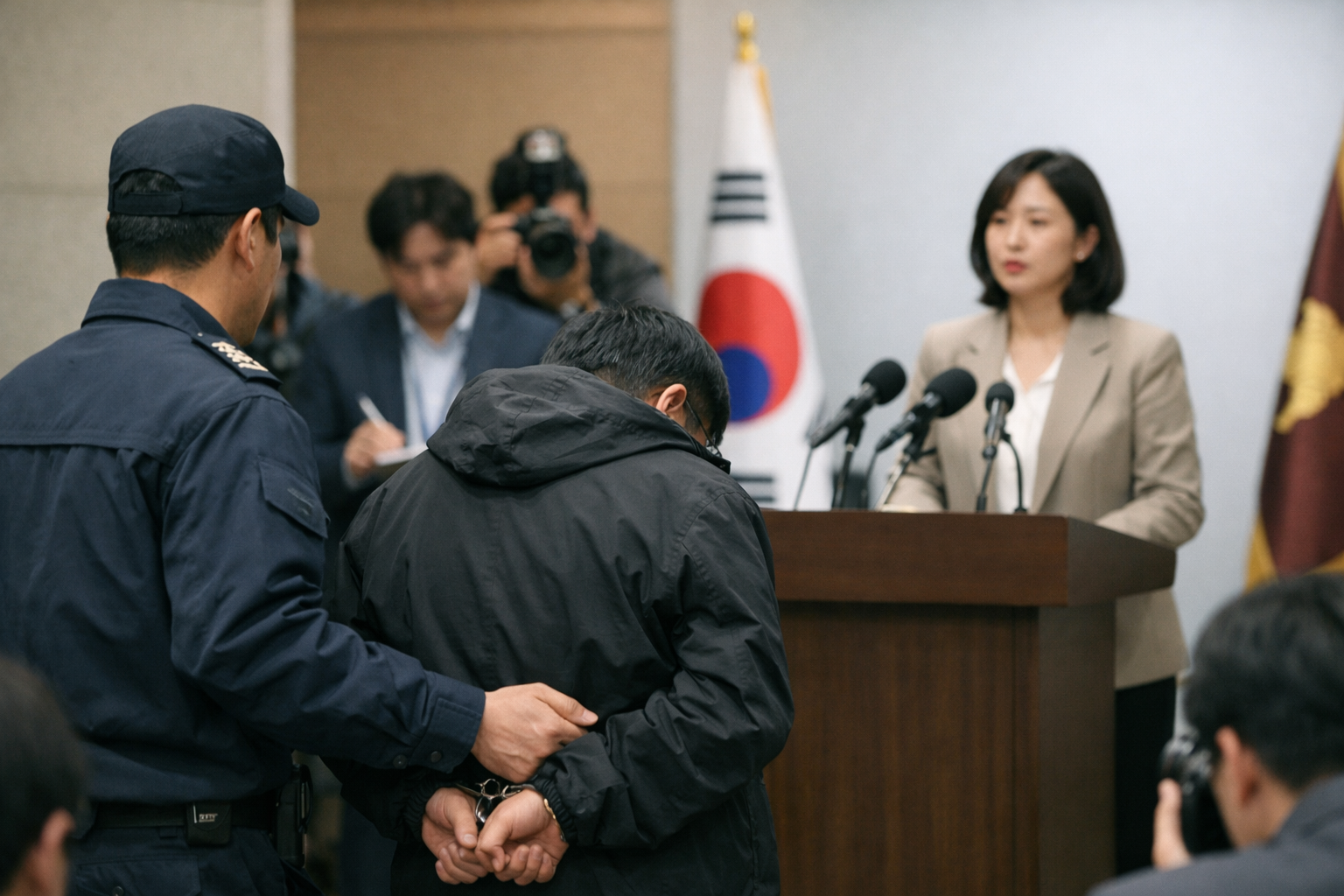
AI-Generated Photorealistic Image — All people, scenes, and details in this image are entirely AI-generated and fictional. Not a real photograph of an actual person or event. 이 이미지는 AI로 생성된 가상 이미지입니다.
Leave a Reply