Table of Contents
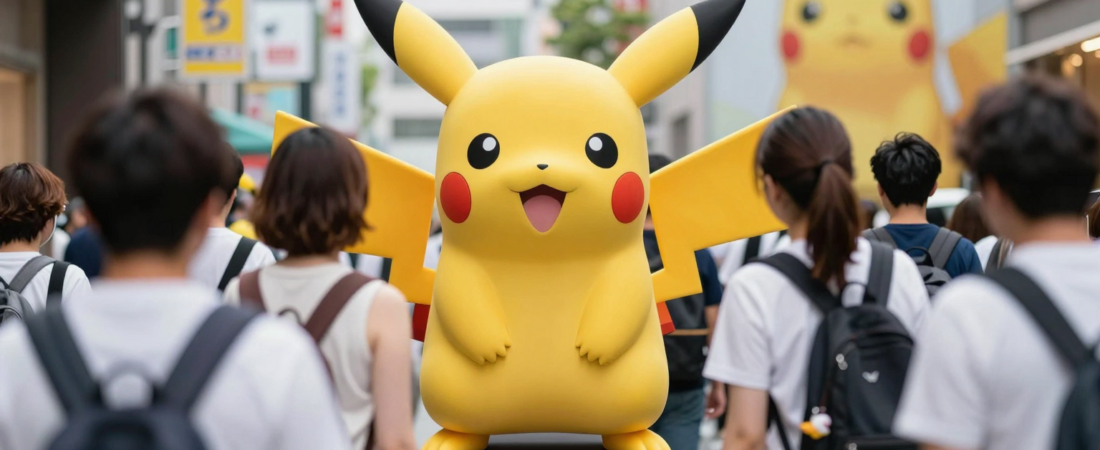
One rare Pokemon card recently sold at auction for roughly 23 billion won, while individual cards now trade for millions of won each. The Pokemon card market has quietly become a serious alternative investment space in Korea. What started as a childhood toy is now a collectible asset that even celebrities chase.
Does that sound strange to you? A cardboard picture of a cartoon monster, worth more than a luxury handbag.
Stick with me, because the story behind this trend reveals something bigger about how we think about value today.
A New Kind of Collector’s Market
Pokemon cards first appeared in the late 1990s as a companion to the video game franchise. Kids traded them on playgrounds, hoping to snag a rare Charizard or Pikachu. Nobody back then imagined these cards would become a serious financial asset decades later.
Fast forward to today, and the picture looks completely different. According to recent reporting from Maeil Business Newspaper, a single pokemon card sold for about 3.2 million won, and another example reached an eye-watering 23 billion won at auction. These are not typos or misprints — they reflect real transactions in a booming global collectibles market.
Korea has jumped into this trend with real enthusiasm. Collectors here are not just buying pokemon cards for nostalgia anymore. They are treating them as long-term investment vehicles, much like art or vintage watches.
Why Pokemon Cards Command Such High Prices
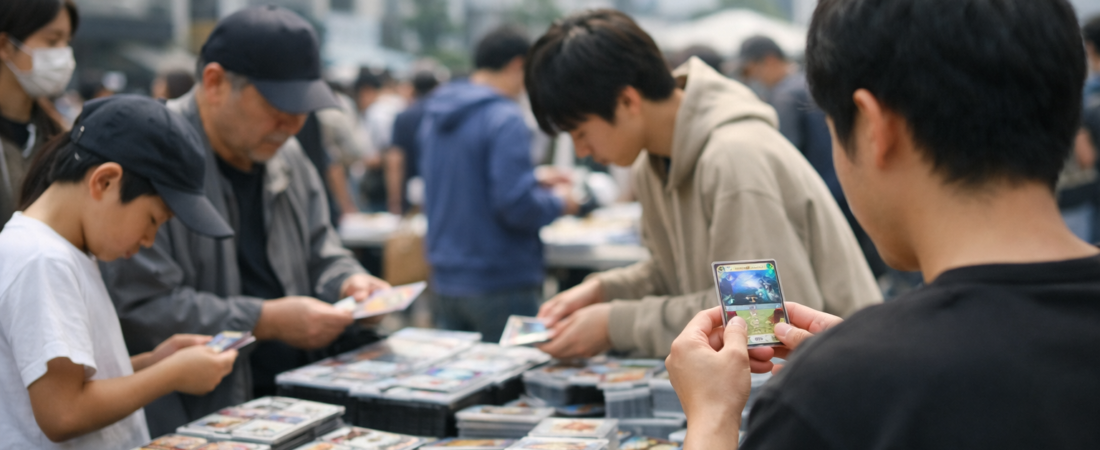
So what actually makes a pokemon card worth millions? The answer comes down to three factors: rarity, condition, and demand. A card printed in limited numbers, kept in pristine condition, and desired by many collectors will always climb in value.
Grading services play a huge role here. Companies inspect each card’s corners, centering, and surface quality, then assign a numerical grade that can make or break its price. A pokemon card graded as flawless can be worth ten times more than the same card with a small scratch.
Think about that for a second. The difference between a life-changing sale and an ordinary trade can come down to a tiny bent corner.
This is exactly why serious collectors store their cards in protective cases and climate-controlled environments (yes, some people really do treat cardboard like fine wine). Scarcity also matters enormously. Early print runs, promotional cards, and translation errors from the original Japanese releases have become especially prized among collectors worldwide.
Korean collectors now track auction results the way stock traders watch market indexes. This behavior mirrors what happened earlier with idol photocards, another paper collectible that turned into serious money. Are we watching a passing fad, or a permanent shift in how people define valuable assets?
Celebrities and the Pokemon Card Investment Trend
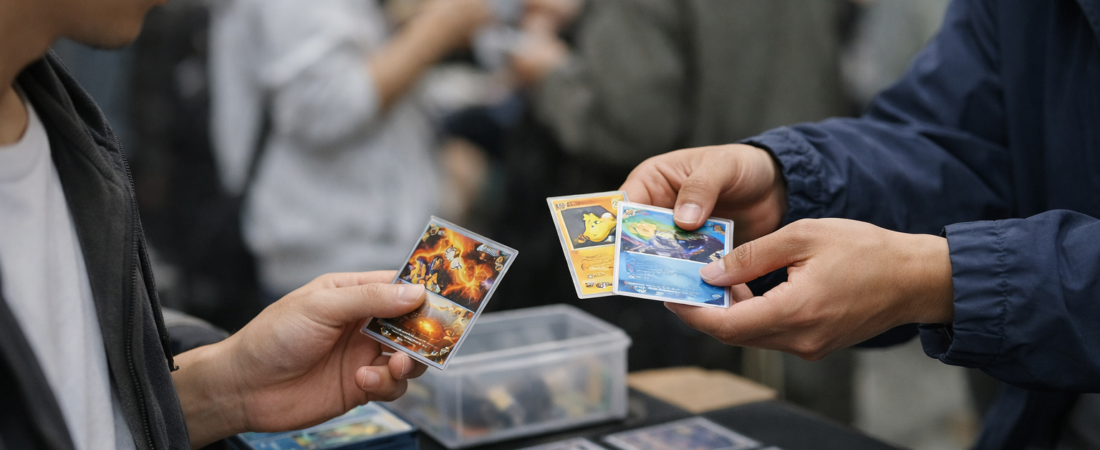
Korean celebrities have noticed this trend, and many have joined in. Instead of buying only designer bags or watches, some stars now display pokemon card collections publicly, treating them as status symbols and smart investments at once.
This matters because celebrity involvement tends to accelerate market interest. When a well-known figure shows off a rare card collection, fans and casual observers take notice. Prices often respond quickly, sometimes within days of a celebrity post going viral.
It also signals something about changing attitudes toward wealth display in Korea. Luxury goods still hold prestige, of course. But younger generations, including celebrities, increasingly value unique, story-rich items over mass-produced luxury brands.
The rise of the pokemon card market fits neatly into this broader shift. Owning something rare, tied to childhood memory and global culture, carries its own kind of prestige now. That is a meaningful change from the older idea that only diamonds or designer logos signal success.
What This Trend Says About Value and Meaning
Here is where this story gets genuinely interesting. Why does a piece of printed cardboard now compete with gold and real estate as an investment option?
Part of the answer lies in nostalgia economics. People want to reconnect with childhood joy, and they are willing to pay real money for that feeling.
But there is a more complicated side to this trend worth naming honestly. When collectibles turn into speculative assets, ordinary fans and children can get priced out of a hobby that once belonged to everyone.
A pack of pokemon cards used to cost pocket change; now the rarest pulls disappear into vaults owned by investors who may never open them. That shift deserves honest attention, not just celebration.
Yet there is real hope inside this story too. Communities of collectors are pushing back against pure speculation, organizing local trading events and grading workshops that keep the hobby accessible for younger fans. Some longtime collectors intentionally sell affordable cards to kids at fair prices, choosing memory over maximum profit.
That small act of generosity reminds us that value is never just about market price. It also reflects what we choose to protect and pass on to others.
Looking ahead, the pokemon card market in Korea will likely keep growing alongside global demand. Whether this trend stays healthy depends on collectors balancing profit with the simple joy that started it all. What do you think — is the pokemon card boom a smart investment trend, or has it strayed too far from its playful roots?
AI-Generated Photorealistic Image — All people, scenes, and details in this image are entirely AI-generated and fictional. Not a real photograph of an actual person or event. 이 이미지는 AI로 생성된 가상 이미지입니다.




Leave a Reply