Table of Contents
Who actually decides your working conditions if your real boss isn’t the one signing your paycheck? That question sits at the heart of a labor issue quietly reshaping Korea’s public sector. The Public Service and Solidarity Union (공공연대노동조합, romanized here for global readers) has been pushing for years to answer it fairly.
Their latest win comes from Gangneung, a coastal city on Korea’s east coast. But the real story isn’t just one city — it’s about a labor structure that affects millions of subcontracted workers nationwide.
What Is Original Contractor Bargaining, and Why Does It Matter?
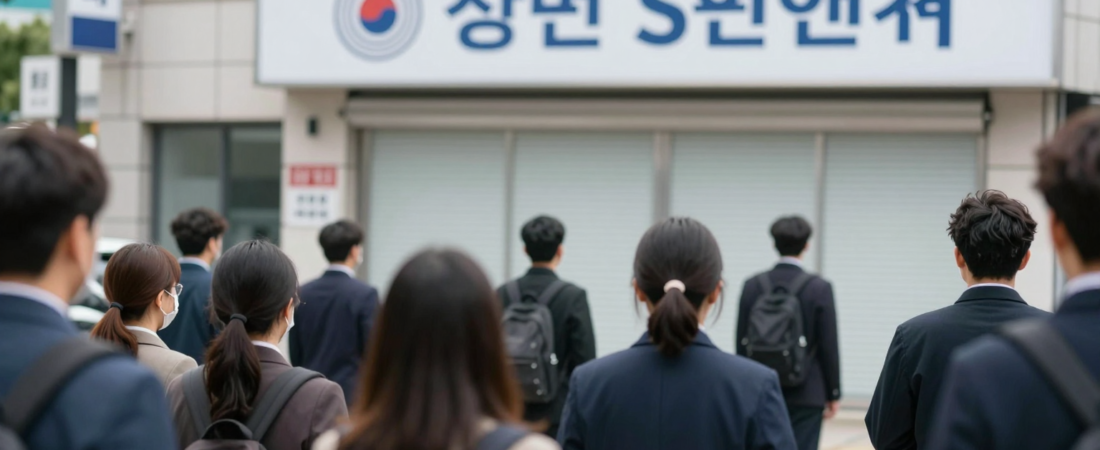
In Korea, many public services — cleaning, security, cafeteria work, facility management — are outsourced. Workers sign contracts with a subcontractor, not with the city or institution they actually serve.
This creates a strange gap. The subcontractor controls the paperwork, but the “original contractor,” meaning the city or public agency, often controls the budget and the real decisions.
So who do you negotiate with if your wages depend on someone who isn’t legally your employer? This is exactly the puzzle “original contractor bargaining” tries to solve.
The concept lets outsourced workers negotiate directly with the institution that truly holds the power, not just the middleman company. It sounds simple on paper. In practice, it has taken years of organizing, legal battles, and public pressure to make happen anywhere in Korea.
The Gangneung Case: A Local Government Sets a Precedent
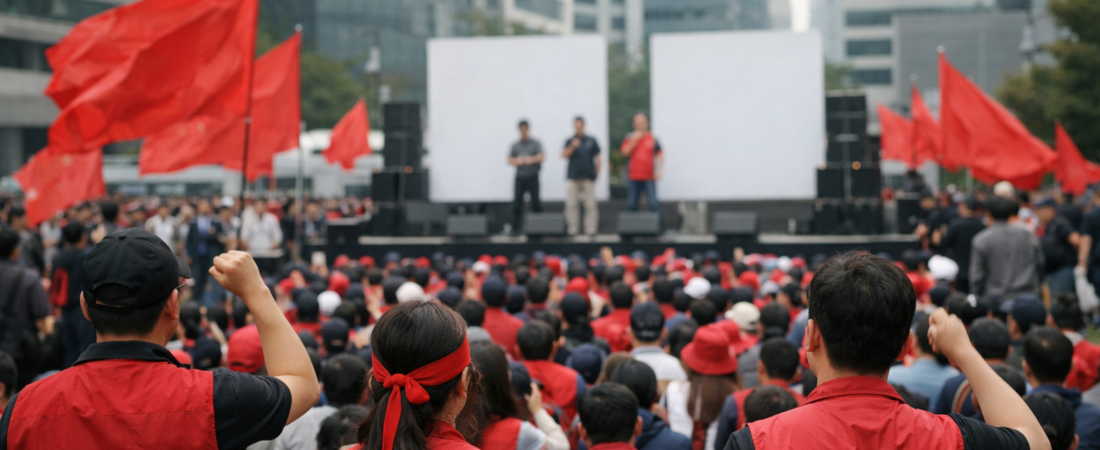
Gangneung City recently launched a formal procedure to begin original contractor bargaining with subcontracted and outsourced labor unions. The Public Service and Solidarity Union welcomed this move publicly, calling it a meaningful step forward.
Why does a procedural announcement deserve this much attention? Because in Korean labor relations, official process often matters as much as the outcome itself.
Once a local government commits to a formal bargaining track, it becomes much harder to quietly walk it back later. That’s a big deal for workers who have spent years being told their concerns belong to someone else’s desk.
Gangneung isn’t the first city to face this pressure, but it’s one of the more visible recent cases. Local governments across Korea are watching how this plays out, since similar disputes exist in nearly every province.
You can read more about ongoing labor policy coverage through outlets like Yonhap News Agency, which regularly tracks these regional labor developments.
Why the Public Service and Solidarity Union Cares So Much
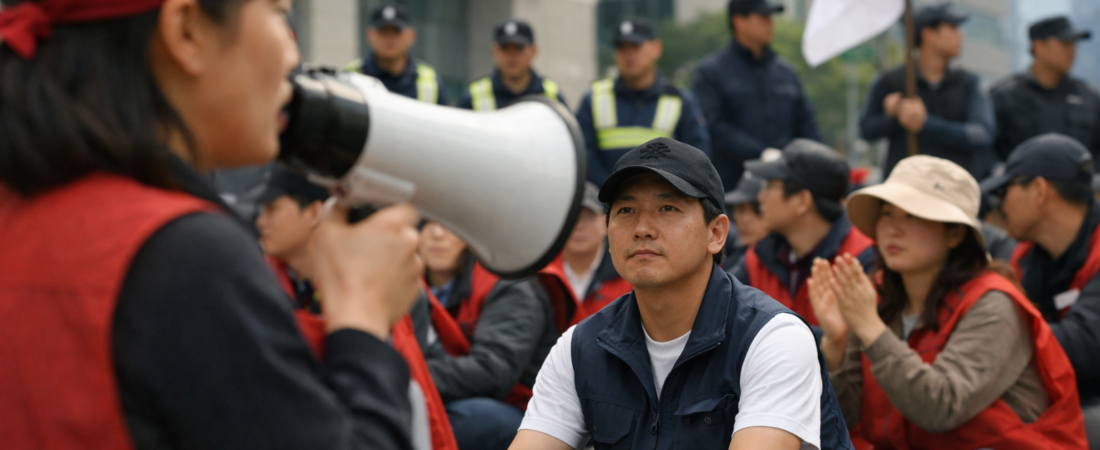
The Public Service and Solidarity Union represents a large share of Korea’s indirectly employed public workforce. Think school cleaners, building security staff, and municipal facility workers — people whose labor keeps daily life running smoothly.
Yet these same workers often have the least formal power to negotiate anything. Isn’t it strange that the people maintaining public buildings sometimes have no direct voice in how those buildings treat them?
The union’s statement following Gangneung’s announcement wasn’t just celebratory. It framed the move as “meaningful progress” while making clear that real change depends on what happens next at the negotiating table.
This distinction matters. Announcing a bargaining procedure is different from actually reaching a fair agreement, and the Public Service and Solidarity Union knows this from experience.
They’ve seen promising starts stall before. That history shapes why the union expressed cautious optimism rather than full celebration in its statement.
What This Means for Outsourced Workers Across Korea
Korea’s outsourcing model expanded rapidly during the 1990s and 2000s, partly as a cost-saving measure for public institutions. It created efficiency on paper, but it also created layers of responsibility that made accountability blurry.
Imagine trying to fix a leaking pipe when three different companies each say it’s someone else’s job. That’s roughly how indirect employment has felt for many Korean subcontracted workers trying to get a raise or safer conditions.
Here is where honesty matters more than optimism. Korea’s subcontracting system has genuinely left many workers without a real seat at the table, and that gap has caused real financial and emotional strain for families depending on these jobs.
At the same time, cases like Gangneung show something worth noticing: change is possible when workers organize, and when local governments choose engagement over avoidance. Progress here isn’t guaranteed, but it isn’t impossible either — and that combination of honest limitation and genuine possibility is worth sitting with.
If Gangneung’s bargaining process leads to a real agreement, other cities may feel pressure to follow. The Public Service and Solidarity Union has said as much, framing this case as a potential template rather than an isolated event.
What happens next depends on negotiation rooms most of us will never see. But the outcome will shape daily working conditions for thousands of people who keep Korea’s public institutions running.
So where does this leave workers watching from other cities? Likely hopeful, but also cautious — a very human response to a system still being tested.
The push for original contractor bargaining reflects a broader shift in how Korea is rethinking labor accountability. It asks a basic question: should real power and real responsibility always sit in the same hands?
As more cities face similar pressure, the answer will keep evolving. What do you think — should local governments be required to negotiate directly with outsourced workers, or is the current subcontracting model still workable with reform?
AI-Generated Photorealistic Image — All people, scenes, and details in this image are entirely AI-generated and fictional. Not a real photograph of an actual person or event. 이 이미지는 AI로 생성된 가상 이미지입니다.
Leave a Reply