Table of Contents
A Grandmother, a Grandson, and a Teotbat
Have you ever watched a small vegetable patch teach a bigger lesson than any classroom could? Last year, one Korean grandmother and her grandson learned exactly that lesson together. They shared a tiny teotbat — a small home garden plot — and it became something far more than a hobby.
Together, they planted, watered, and waited. Week by week, the boy watched seeds turn into real food. By late autumn, they harvested cabbage and radish, then turned them into kimchi for the winter.
That moment of pulling vegetables from soil they had tended themselves stayed with her long after the season ended. It was not just about food. It was about patience, connection, and a quiet respect for how things grow.
When the Weekend Farm Closed Its Gates
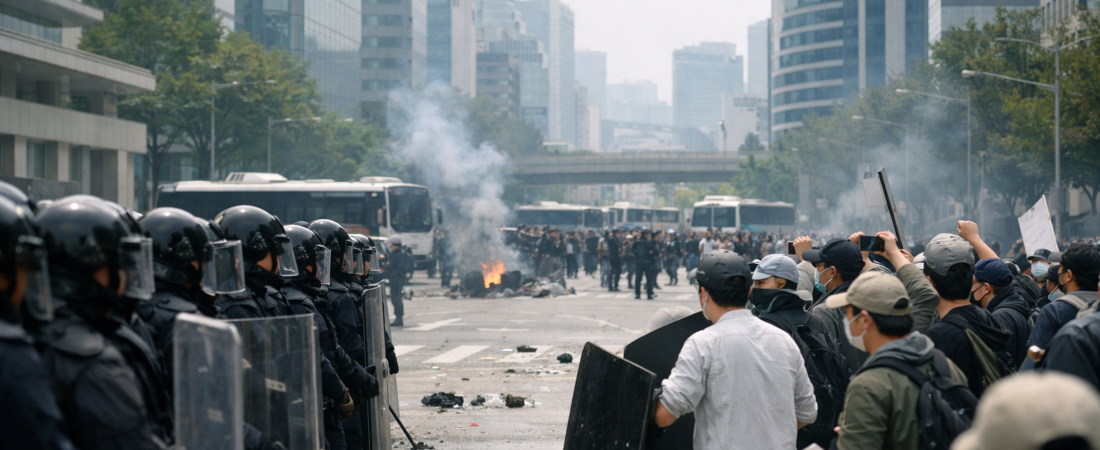
This year, she hoped to repeat the same ritual with her grandson. But the weekend farm that once hosted their small teotbat shut down before spring planting could even begin. Suddenly, the plot that had shaped a whole year of memories was simply gone.
Weekend farms, often run by local governments or private landowners, rent small garden plots to city residents. They have grown popular across Korea over the past decade. For many urban families, these teotbat spaces are the only chance to touch real soil at all.
So what happens when that access disappears? For this family, it meant an empty summer with no cabbage to plant and no harvest to look forward to. The loss felt small on paper, but it left a real gap in their yearly rhythm.
Anyone who has lost a favorite routine knows how strange the silence feels afterward. A teotbat is not just dirt and seeds — it is a scheduled reason to slow down together. Without it, something ordinary but meaningful simply stopped happening.
Heatwave Prices Bring the Teotbat Back into Focus
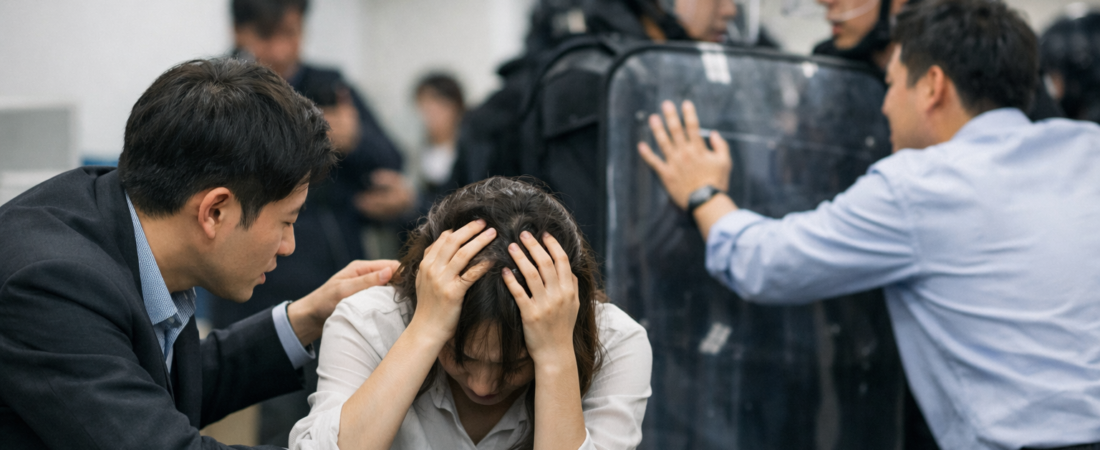
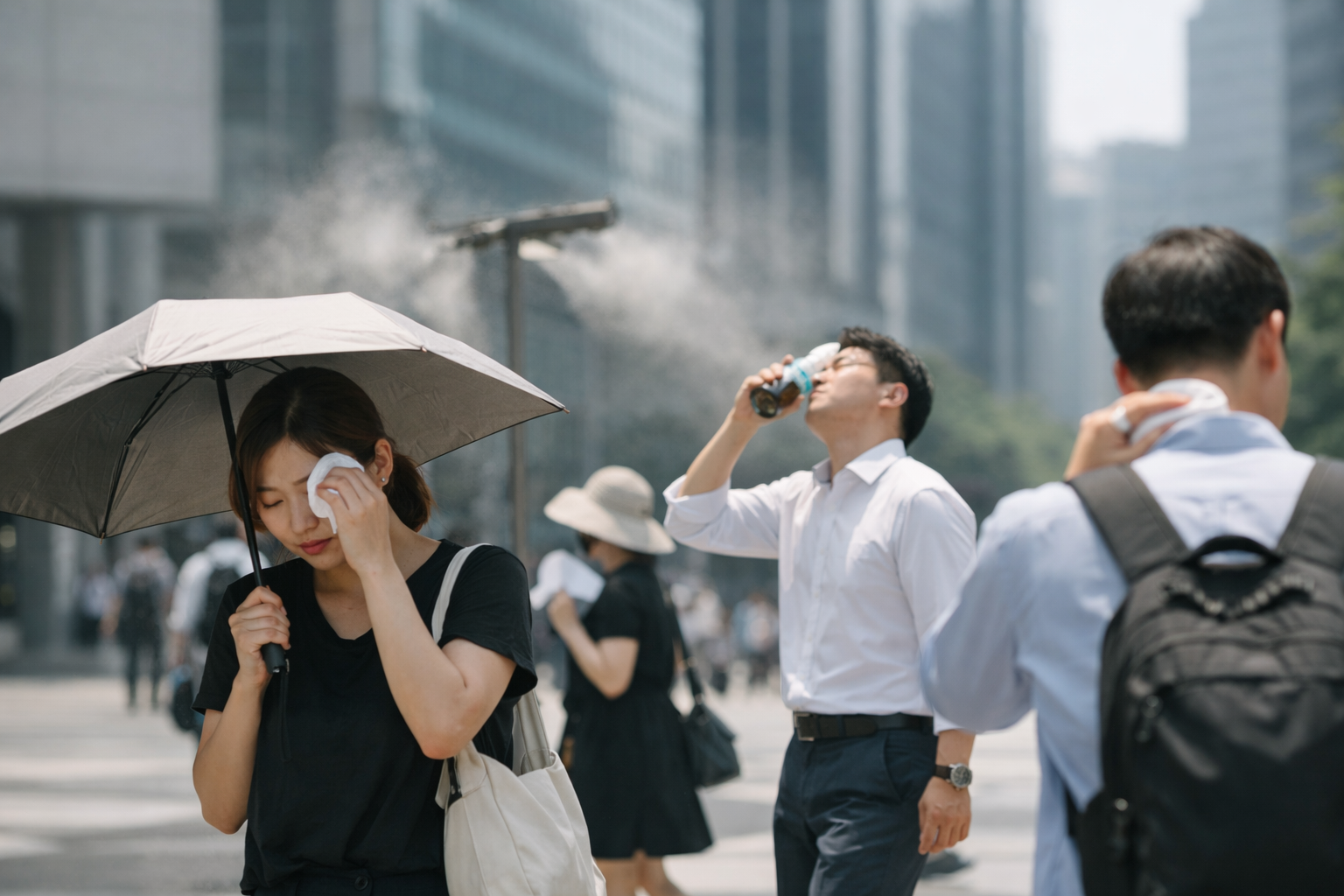
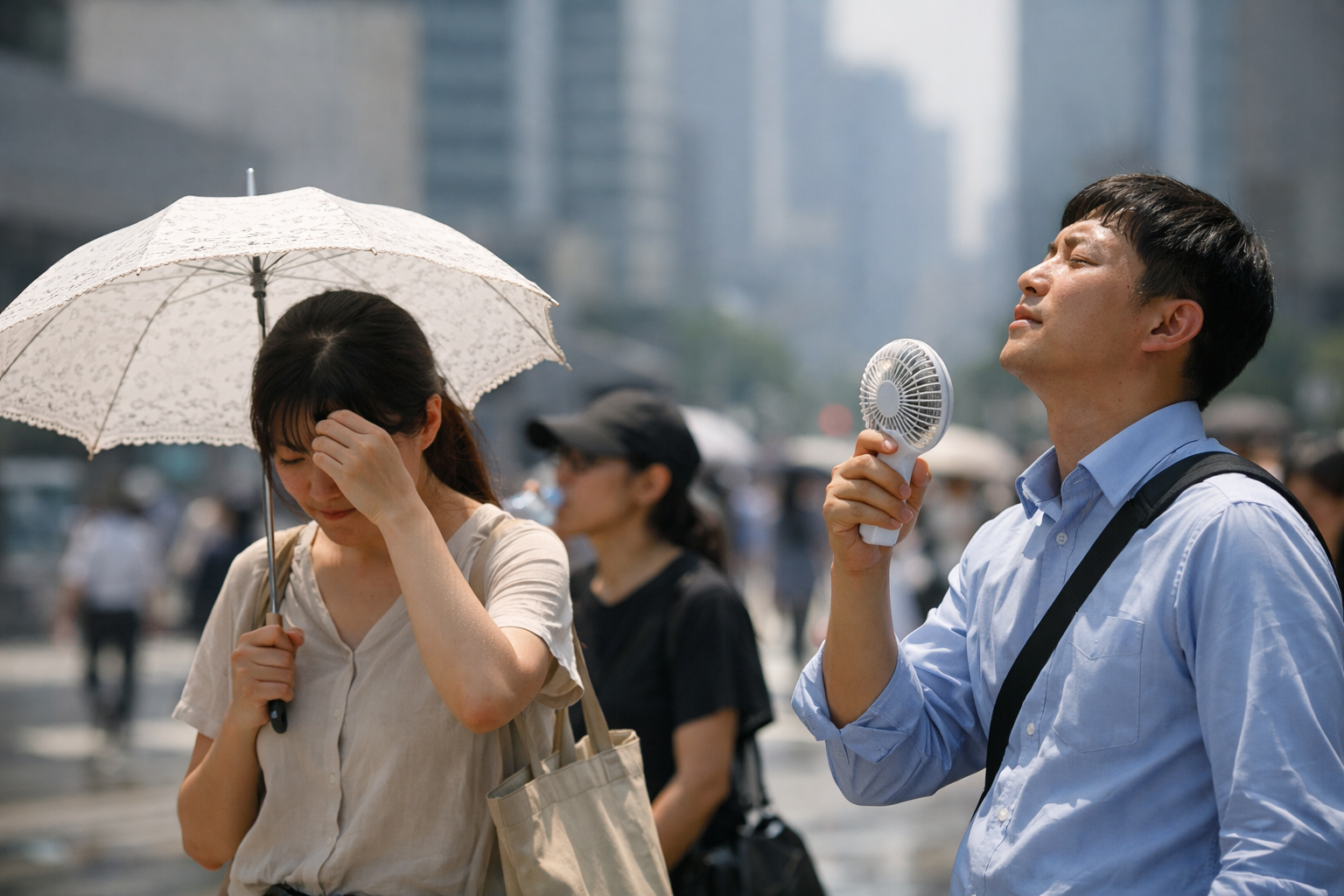
Then summer arrived, and with it came a brutal heatwave across the country. Vegetable prices climbed fast, and grocery trips became small shocks. Lettuce, spinach, and cucumbers — everyday staples — suddenly carried price tags that made shoppers pause.
If your lettuce now costs more than your side of grilled pork, you are not imagining things. Extreme heat damages crops, shrinks harvests, and pushes prices upward across the entire supply chain. Farmers lose yield, distributors raise prices, and shoppers feel the squeeze at checkout.
Suddenly, that small teotbat from last year looked less like a nostalgic hobby and more like a practical solution. Growing your own lettuce or spinach, even in a tiny plot, suddenly felt like real insurance against rising costs. As OhmyNews reported, this shift in thinking is happening in households across the country right now.
Why does this matter beyond one family’s kitchen table? Because it shows how quickly ordinary Koreans are reconnecting food security with their own two hands. A teotbat stops being sentimental and becomes strategic the moment prices spike.
Why Korea Needs More Teotbat Space, Not Less
Climate stress and grocery inflation are not going away soon. Heatwaves are getting longer, and vegetable supply chains remain vulnerable to weather shocks. That means the demand for teotbat access will likely keep growing, even as some weekend farms shut their gates.
It is worth asking a hard question here. Why do so many weekend farms close just as families need them most, and who decides that a small garden plot is expendable? Land pressure, funding cuts, and shifting municipal priorities often push these community spaces aside, even though demand for them is rising, not falling.
That is the honest, uncomfortable part of this story. But it is not the whole story. Across Korea, city districts, community centers, and citizen groups are also experimenting with rooftop gardens, shared allotments, and school-linked teotbat programs that keep this kind of hands-in-the-soil learning alive for the next generation.
There is something quietly steadying about a grandparent and grandchild kneeling over the same small patch of dirt. It slows down a fast world and turns waiting into a shared skill. But we should be honest too — that same closeness can also carry weight, especially when a beloved routine suddenly disappears and leaves a real sense of loss behind.
The comfort and the ache sit side by side here, and that is worth admitting rather than smoothing over. Still, the response to that ache matters more than the ache itself. Families finding new plots, neighbors sharing garden space, and cities rethinking how they allocate land all point toward repair rather than resignation.
Korea’s relationship with food, land, and family is shifting under real pressure. Rising prices and unstable weather are forcing a rethink of what a small teotbat can mean for an ordinary household. Perhaps the answer is not fewer garden plots but smarter, steadier support for the ones already changing lives one harvest at a time.
What do you think — should cities across Korea protect and expand teotbat spaces as a real answer to climate and price pressures, or is home gardening simply too small to matter at scale?
AI-Generated Photorealistic Image — All people, scenes, and details in this image are entirely AI-generated and fictional. Not a real photograph of an actual person or event. 이 이미지는 AI로 생성된 가상 이미지입니다.

Leave a Reply