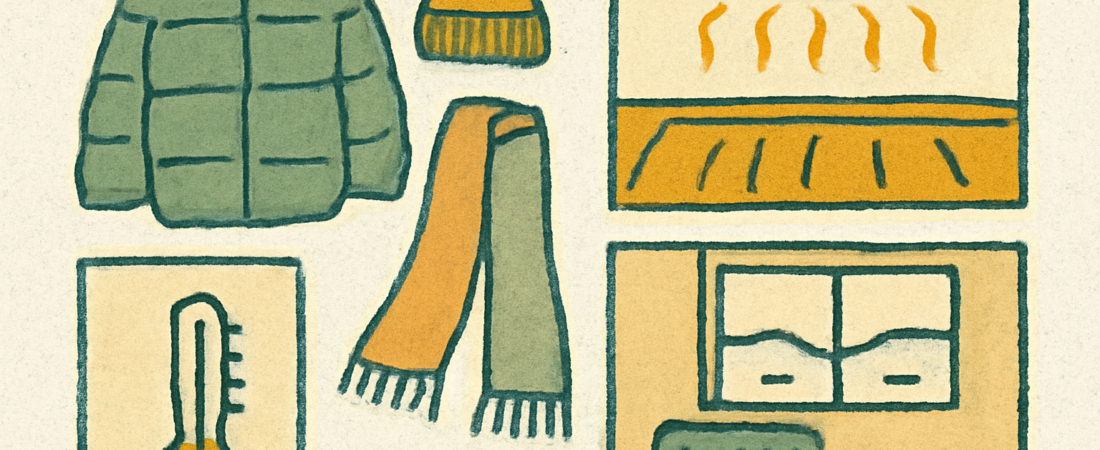
Pack layers, not one giant coat. Korean winters are cold and dry outdoors, but homes and shops are often warm, thanks to floor heating called ondol. Expect big temperature swings. Wear thermal base layers, a windproof outer coat, and shoes that come off easily. Check current forecasts and shopping data before you go.
Last checked: 2026-11-12
- What Korean data sources can tell you
- What to wear outdoors
- Ondol and Korean heating culture
- Indoor temperatures: what to expect
- Packing and buying comparison
- FAQ
- Sources
- Related guides
What Korean data sources can tell you
Winter travel advice often feels vague. “It’s cold” does not help you pack. Korea publishes plenty of public data that makes your planning more precise.
Here are the main types of sources worth knowing about:
- Weather agency data. The Korea Meteorological Administration (KMA) publishes forecasts, past records and seasonal outlooks.
- Government statistics. Statistics Korea (KOSTAT) publishes household and consumer data. Some of it covers spending on clothing and energy.
- Energy agency guidance. Korea’s energy authorities issue public messages about heating habits and energy saving each winter.
- Retail and platform trends. Large online shopping platforms and department stores often publish seasonal trend reports. These show which winter items are selling.
- Search and social trends. Korean portals show what people are searching for. In November, this often includes padded jackets, heat packs and humidifiers.
I cannot give you exact current figures here. Numbers change every year. Winter 2026 may differ from last winter. Please check the live pages listed in the Sources section before you finalize your packing list.
A good habit is to check three things about ten days before you fly. First, check the KMA forecast for your city. Second, check the “feels like” temperature, not just the number on the thermometer. Third, check whether a cold wave warning is active.
What to wear outdoors
Korean winters are usually dry. Seoul can be very cold, especially in January and early February. Wind makes it feel colder. Coastal areas and mountain regions can feel different from the capital.
Check the forecast for each stop on your trip. Busan, Jeju, Gangneung and Seoul can all feel quite different on the same day.
The layering approach
Most locals dress in layers. You will see this on any subway platform. The idea is simple: warm outdoors, easy to adjust indoors.
- Base layer. A thin thermal top and leggings. Many Korean brands sell these. Look for the Korean word “heat-tech style” products in stores, though exact product names vary by brand.
- Middle layer. A knit sweater, fleece or thin down vest.
- Outer layer. A windproof coat. Long padded coats are very common in Korea. Many people call them “long padding” in everyday speech.
- Accessories. Scarf, gloves, hat and warm socks matter more than you think.
Shoes and socks
You will take your shoes off often. Homes, many restaurants with floor seating, guesthouses, some clinics and traditional spaces all require it. Wear shoes that slip on and off easily. Bring clean, warm socks without holes.
Winter streets can be icy in some areas. Choose shoes with good grip. Smooth fashion boots can be slippery on wet pavement and subway stairs.
Small items locals use
Disposable heat packs are everywhere in winter. Convenience stores and drugstores sell them. Many people put them in pockets or gloves. Check the package for how to use them safely. Do not place them directly on bare skin for long.
Lip balm and hand cream are also easy to find. The air is dry in winter, and your skin may feel it quickly.
Ondol and Korean heating culture
Ondol is the traditional Korean floor heating system. Today, most homes use a modern version. Hot water pipes run under the floor. The warmth rises from below.
This changes how winter feels indoors. Many Koreans sit and sleep on the floor. A warm floor is the main comfort, not warm air.
How it feels as a visitor
If you stay in a Korean-style room, the floor may be very warm. Some guesthouses and hanok stays let you set the floor temperature. Others have simple controls. Ask your host if you are unsure.
The floor can feel quite hot at first. Some travelers find it too warm for sleeping. You can usually turn it down or sleep on top of the bedding layers. Ask about extra blankets if you feel cold.
Heating habits you may notice
- Floor first. Heating focuses on warm floors, not warm air.
- Humidity matters. Many households use humidifiers because heated homes get dry.
- Thick blankets and mats. Electric heating mats are popular. So are heavy comforters.
- Energy awareness. Heating bills are a regular topic of conversation in winter. Public messages about energy saving appear each year.
Households differ widely. Some use individual boilers. Many apartment buildings use central or district heating. Costs and controls depend on the building type. I cannot give a single typical bill. If you are staying long term, ask your landlord or building office how heating is billed.
Indoor temperatures: what to expect
Indoor temperatures in Korea vary a lot by place. This is where visitors often get surprised.
Common indoor situations
- Subway and trains. Often warm. Heated seats are common on some lines. You may sweat in a heavy coat.
- Cafes and shops. Usually warm, but not always. Some small shops keep doors open to the street.
- Department stores and malls. Generally comfortable. You will want to remove outer layers.
- Restaurants. Floor-seating restaurants are often very warm underfoot. Table-seating places can be cooler near doors.
- Offices and public buildings. Temperature rules and habits vary. Some public buildings aim for modest heating to save energy.
- Homes. Often warm at floor level. Air temperature varies by household.
Korea has public guidance on recommended indoor temperatures for energy saving in winter. The exact numbers have changed over the years. Please check the current guidance from the Ministry of Trade, Industry and Energy or the Korea Energy Agency. Do not assume that a single number applies to every building.
Practical tips for dressing indoors
- Wear a top layer you can remove quickly.
- Bring a tote bag or backpack for your coat.
- Choose breathable fabrics under your coat.
- Keep a light scarf in your bag. It helps in cooler corners.
- Take off wet outer layers inside. Damp clothes make you cold faster.
Packing and buying comparison
Should you pack everything or buy some items in Korea? Both can work. Prices below are rough ranges to help you plan. They are not official prices. Brands, sales and sizes change them. Check current prices in store or online. Exchange rates also change, so the USD figures are approximate, based on about 1,300 KRW per $1. Check the live rate before you buy.
| Item | Bring from home? | Buy in Korea? | Rough price range (USD / KRW) | Notes |
|---|---|---|---|---|
| Thermal base layer | Yes, if you have a good one | Easy to find | About $8-$30 / 10,000-40,000 KRW | Sizes may run small for some travelers |
| Long padded coat | Only if you already own one | Very easy to find | About $75-$400+ / 100,000-500,000+ KRW | Wide range. Sales are common |
| Disposable heat packs | Not needed | Convenience stores, drugstores | About $1-$4 / 1,000-5,000 KRW per pack | Check the label for safe use |
| Gloves and hat | Bring if you have good ones | Easy to find | About $5-$30 / 6,000-40,000 KRW | Touchscreen gloves are common |
| Warm socks | Bring a few pairs | Easy to find | About $2-$10 / 2,500-13,000 KRW | Very useful for shoe-off spaces |
| Winter boots with grip | Yes | Available, size range varies | About $40-$150 / 50,000-200,000 KRW | Larger sizes can be harder to find |
| Hand cream and lip balm | Bring a favorite | Very easy to find | About $2-$15 / 2,500-20,000 KRW | Dry indoor air makes these useful |
These ranges are estimates meant for planning only. Look at current prices on Korean shopping sites or in stores before deciding what to buy.
A simple packing rule
Bring what is hard to replace. That means well-fitting boots, any medication, and clothing in larger sizes if you need them. Buy the easy, cheap items in Korea. Heat packs, socks and hand cream are good examples.
Korean clothing sizes can run smaller than North American sizes. Many items are sold in free size. Try things on when you can. Check the return policy if you shop online.
Reading the weather like a local
Koreans often check three things each morning. These are the temperature, the “feels like” temperature, and the air quality. Fine dust can be a concern in some seasons, including winter and spring. Many people check air quality apps. The official source is the Korea Environment Corporation’s air quality service, called AirKorea. Check it for current readings.
FAQ
How cold does Korea get in winter?
It depends on the place and the year. Seoul and inland areas can get very cold, especially in January. Coastal and southern areas are often milder. Wind can make it feel colder. Check the KMA forecast for your exact dates and cities.
Do I need to wear a heavy coat indoors?
Usually not. Many indoor spaces are warm. Wear layers under your coat so you can remove it. Some places, like doorways and small shops, can still be cool, so keep a light scarf handy.
What is ondol, and will I like it?
Ondol is Korean floor heating. Warmth comes up from the floor. Many visitors love it on cold nights. Some find it too hot for sleeping. Ask your host how to adjust it. Request extra bedding if you want more control.
Should I buy winter clothes in Korea or bring them?
Both work. Bring hard-to-replace items like boots and any special sizes. Buy easy items like heat packs, socks and hand cream locally. Check prices and sizes before you buy, since both vary a lot.
Sources
These are official or primary sources. Please check them directly for current numbers, warnings and guidance.
- Korea Meteorological Administration (KMA): https://www.kma.go.kr/ (forecasts, warnings and climate records)
- Statistics Korea (KOSTAT): https://kostat.go.kr/ (household and consumer statistics)
- Korea Energy Agency: https://www.energy.or.kr/ (energy-saving guidance)
- Ministry of Trade, Industry and Energy: https://www.motie.go.kr/ (national energy policy)
- AirKorea (Korea Environment Corporation): https://www.airkorea.or.kr/ (air quality readings)
- Korea Tourism Organization, Visit Korea: https://english.visitkorea.or.kr/ (official travel information)
Some of these sites are mainly in Korean. Your browser’s translate tool can help. Homepage links are given because deep page addresses change often.
Leave a Reply