
Table of Contents
Korea’s weather agency issued a heavy rain advisory for Ulleungdo and Dokdo at 6:30 a.m. on August 31, 2026. At the same time, 11 areas including Pohang kept their heat wave advisories in place. This unusual mix of localized rain and lingering heat is currently drawing attention across Korea.
Right now in Korea, people are watching two very different weather stories unfold at once. As of this week, the contrast between soaked eastern islands and sweltering mainland cities has become a talking point. Doesn’t it feel strange that one country can face flooding warnings and heat warnings on the same morning?
What’s Happening Right Now in Ulleungdo and Dokdo
The Korea Meteorological Administration confirmed the heavy rain advisory for Ulleungdo and Dokdo early Monday morning. These two remote locations sit far off Korea’s east coast in the East Sea. Ulleungdo and Dokdo often experience weather patterns that differ sharply from the mainland.
Their isolation makes them vulnerable to sudden, localized downpours. Ulleungdo and Dokdo also carry deep symbolic and territorial significance for Korea, so weather updates from this region always attract extra public interest. You might wonder why such small islands get national headlines so often.
Part of the answer lies in geography. Ulleungdo and Dokdo sit in open water, exposed to shifting air masses that can bring rain quickly and without much warning. That exposure means residents and fishing crews near Ulleungdo and Dokdo must stay alert, even when the rest of the country seems calm.
Why Heat and Rain Can Strike Korea at the Same Time
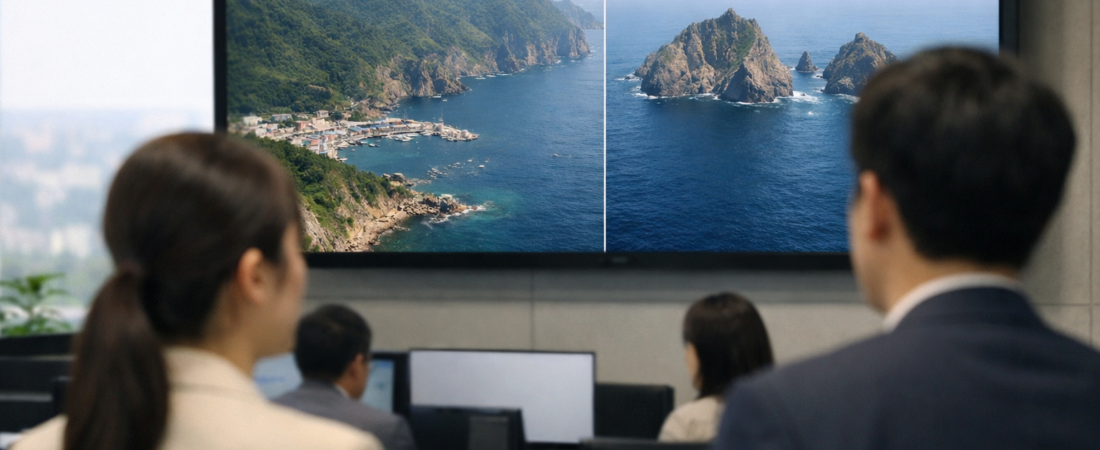
You might assume rain and heat cannot coexist, but Korea’s late-summer weather often proves otherwise. Hot, humid air sits over the peninsula while separate atmospheric disturbances trigger localized showers elsewhere. This pattern is common in Korea during the transition from summer to early autumn.
Meteorologists describe this as a “localized rainfall” pattern, where one region gets soaked while another bakes under clear skies. Ulleungdo and Dokdo, surrounded by open sea, are especially prone to this kind of sudden shift. Meanwhile, inland and coastal cities can stay dry and dangerously hot for days.
This isn’t just a quirk of nature; it reflects Korea’s complex geography. Mountains, coastlines, and open ocean all interact differently with incoming weather systems. For more background on how these systems form, readers can check Yonhap News Agency for ongoing weather coverage.
Pohang and the Ongoing Heat Wave Advisory
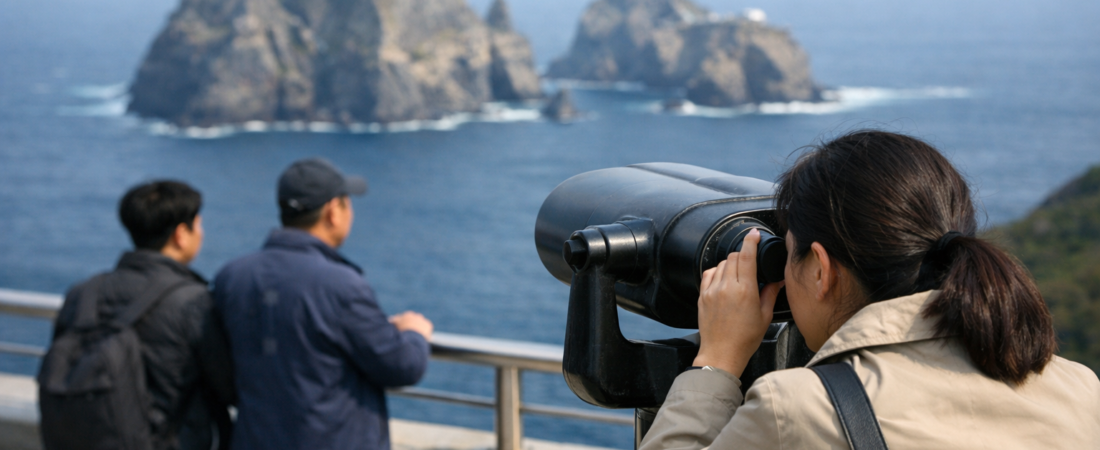
While Ulleungdo and Dokdo deal with rain, Pohang and ten other areas remain under heat wave advisories. That means daytime highs are expected to stay dangerously elevated. Korea’s late August heat has been persistent this year, stretching well beyond typical seasonal patterns.
Why does this matter beyond simple discomfort? Extended heat advisories increase risks for outdoor workers, older residents, and anyone without reliable air conditioning. Pohang, a major industrial and port city, has a large workforce that spends long hours outside.
Korean summers have grown noticeably hotter over the past decade, according to long-term climate tracking. This isn’t unique to Korea, of course. Still, the combination of stubborn heat in Pohang and sudden rain near Ulleungdo and Dokdo shows how unpredictable this season has become.
What This Means for Travelers and Locals
If you’re planning a trip to Ulleungdo and Dokdo this week, pack for rain, not sunshine. Ferry schedules to these islands are often affected by rough seas, so it pays to check conditions before departure. Meanwhile, anyone heading to Pohang should prepare for continued heat, with plenty of water and light clothing.
Korea’s weather advisories aren’t just bureaucratic notices. They reflect real vulnerabilities in how communities cope with sudden environmental shifts, especially in smaller island regions like Ulleungdo and Dokdo where resources are limited. At the same time, Korea’s disaster response networks have improved steadily, with faster alerts and better coordination between local governments and the national weather agency.
There’s something quietly reassuring in watching a small island community brace for rain while a coastal city endures relentless heat, each relying on systems built by ordinary people trying to protect their neighbors. That same resilience, though, can mask real strain, since repeated advisories often fall hardest on fishermen, farmers, and outdoor laborers who have little choice but to keep working. Progress here isn’t about eliminating risk entirely, but about steadily building systems, like improved early warning networks, that let people prepare rather than simply endure.
For global readers, this matters more than it might first appear. Korea’s shifting weather patterns near Ulleungdo and Dokdo mirror a broader story playing out worldwide, where island and coastal regions absorb the first shocks of a changing climate. Understanding what happens on a small pair of islands in the East Sea offers a window into challenges many other places will soon face.
Korea’s weather will likely keep swinging between extremes as this season continues. Ulleungdo and Dokdo may see more sudden advisories before autumn settles in fully. What do you think about how Korea balances heat and rain warnings across such different regions at once?
AI-Generated Photorealistic Image — All people, scenes, and details in this image are entirely AI-generated and fictional. Not a real photograph of an actual person or event. 이 이미지는 AI로 생성된 가상 이미지입니다.


Leave a Reply