Table of Contents
Have you ever stood in a packed crowd at a festival and wondered who, exactly, is watching out for you?
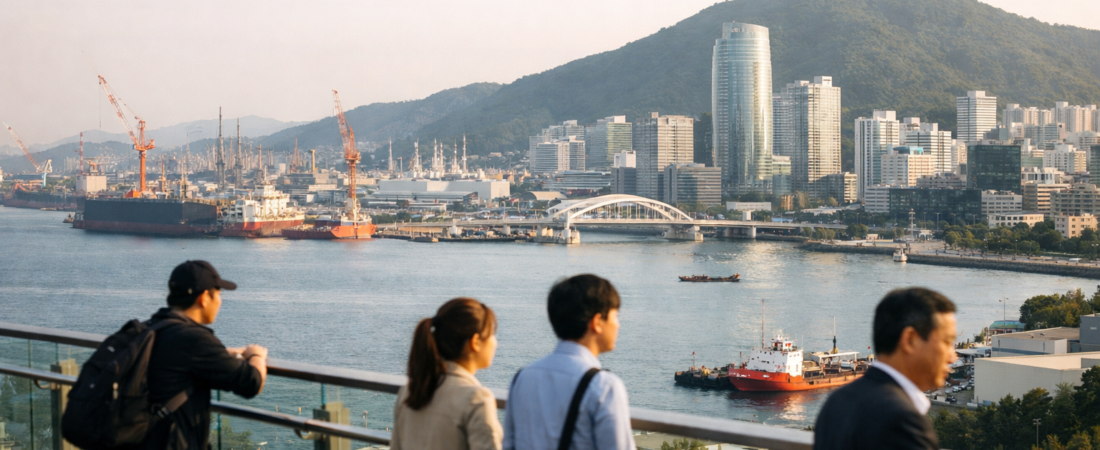
Starting in September, Ulsan City wants that question to have a clear answer. Ulsan City announced a major overhaul of safety management for local festivals and large public events, and the timing matters more than you might think.
This isn’t a small tweak to paperwork. Ulsan City is rethinking how crowds get managed from the ground up, and that shift deserves your attention.
Why Ulsan City Is Acting Now
Korea has not forgotten its painful lessons about crowd safety. The 2022 Itaewon crush, which killed over 150 people during Halloween celebrations, changed how every city government thinks about public gatherings.
Ulsan City’s new measures fit into that larger national reckoning. Local governments across Korea have spent the past few years tightening rules, but Ulsan City’s September rollout signals a more comprehensive approach than many previous efforts.
Why now, specifically? Festival season in Korea tends to peak in autumn, when cooler weather draws bigger crowds outdoors.
Ulsan City clearly wants its safety framework in place before that seasonal surge hits. That’s not reactive thinking — it’s planning ahead, and that distinction matters for public trust.
What the New Safety Rules Actually Mean
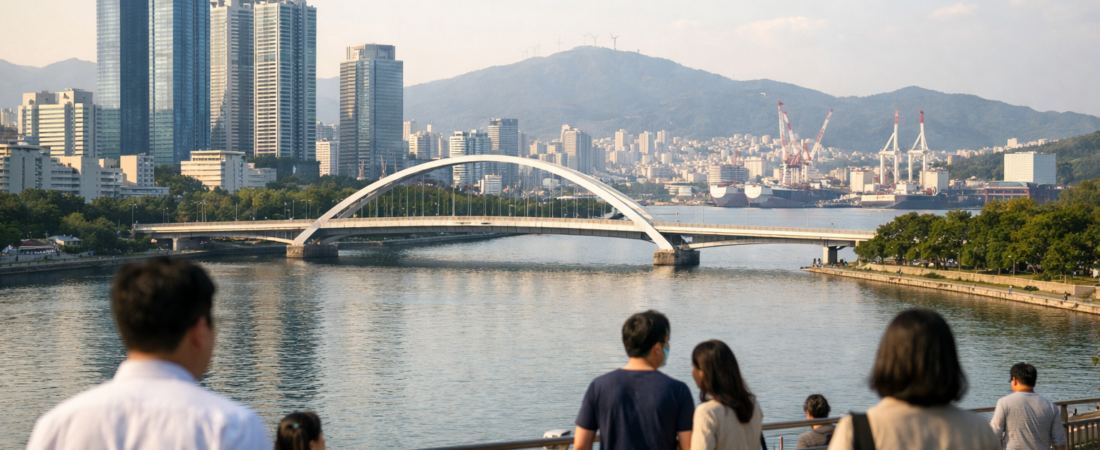
So what exactly is changing? According to the announcement, Ulsan City will strengthen safety management through pre-event inspections, on-site monitoring, and improved emergency response systems.
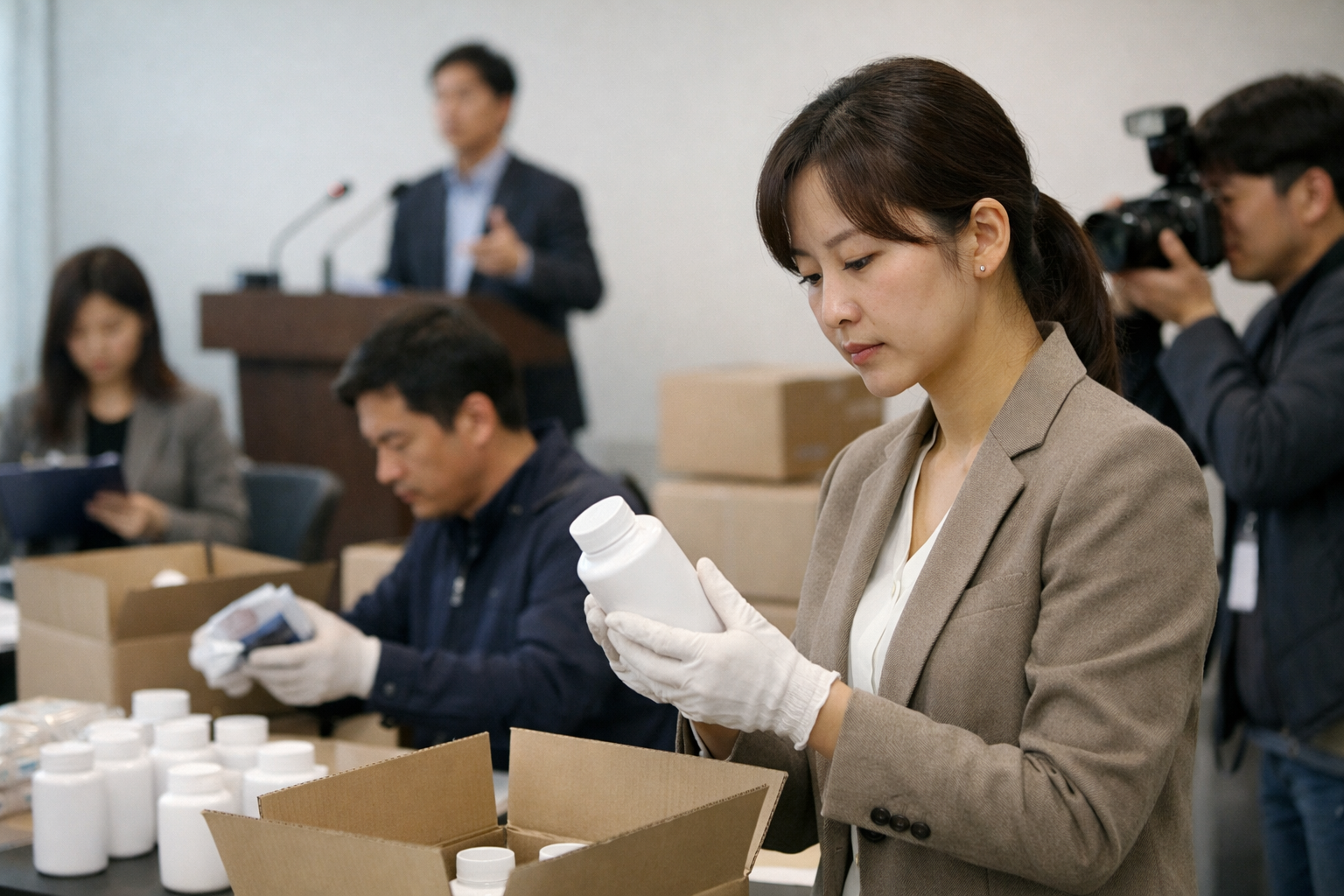
Think of it as a three-layer defense. First, inspections happen before an event even opens its gates.
Second, trained personnel monitor the situation while the event runs. Third, response protocols kick in immediately if something goes wrong.
Ulsan City also plans to deepen cooperation between relevant departments and outside agencies. That sounds bureaucratic, but it’s actually the most important part.
Crowd disasters often happen not because nobody noticed a problem, but because nobody communicated the problem fast enough between agencies. Ulsan City appears determined to close that communication gap.
Large events — think food festivals, fireworks shows, or year-end countdown gatherings — will likely face stricter capacity checks and clearer emergency exit planning. If you’ve ever tried to squeeze through a single narrow gate with thousands of other people (and if you’ve been to a Korean festival, you probably have), you already understand why this matters.
The History Behind Korea’s Crowd Safety Push
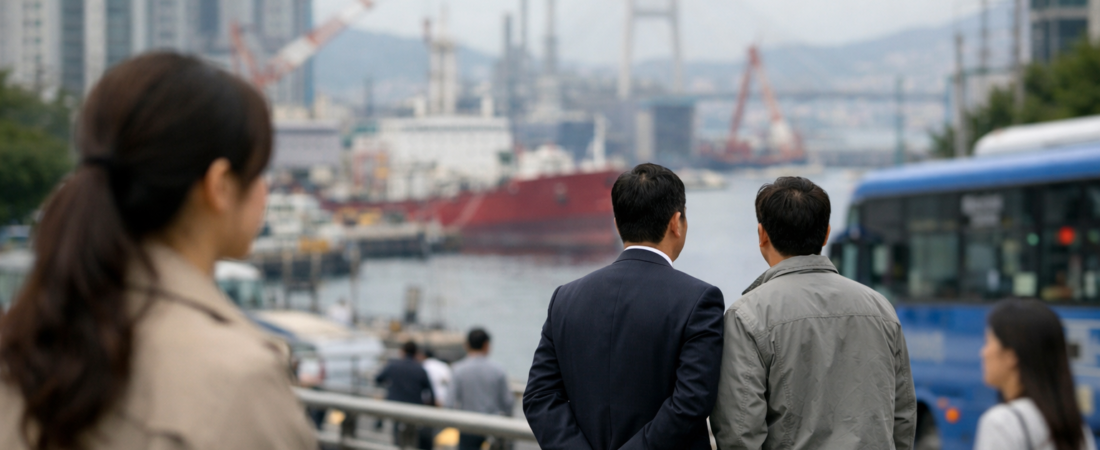
Korea’s relationship with mass gatherings runs deep. From Joseon-era market festivals to today’s K-pop concerts, communal celebration has always been part of Korean life.
But scale has changed dramatically. Modern events can draw tens of thousands of people into spaces never designed for that density.
The government’s crowd-safety reforms didn’t start with Ulsan City. Seoul, Busan, and other major cities have all revised their own event-safety guidelines since 2022, and the Yonhap News Agency has tracked this policy shift closely across the country.
What makes Ulsan City’s approach notable is its emphasis on prevention rather than just response. Many past policies focused heavily on what happens after a crisis starts.
Ulsan City’s framework instead asks: what needs to happen weeks before the event even opens? That’s a meaningful shift in mindset, and it reflects lessons learned the hard way.
What This Means for Festival-Goers and Communities
Here’s the honest truth: no safety policy can eliminate every risk at a crowded event. Human behavior is unpredictable, and Ulsan City knows that better than anyone drafting these rules on paper.
But there’s real hope in seeing local government take structural failures seriously instead of treating tragedies as isolated bad luck. Ulsan City’s push toward inter-agency cooperation shows a system trying to learn, adapt, and repair itself rather than simply moving on.
There’s something quietly encouraging in watching a community organize itself around care for strangers. The same closeness that makes Korean festivals feel warm and communal — everyone packed together, sharing food, cheering as one — is also what makes crowd management so difficult in the first place.
Ulsan City’s new rules won’t erase that tension, but they represent an honest attempt to hold both things at once: the joy of gathering and the responsibility of protecting the people who gather.
Looking ahead, Ulsan City’s September rollout could become a template other cities study closely. If inspections, real-time monitoring, and inter-agency response actually reduce incidents this festival season, expect other regions to follow suit.
Safety policy rarely makes headlines the way disasters do, but prevention that works quietly is still prevention that works. Ulsan City seems to understand that lesson now.
What do you think — does stronger pre-event inspection actually change behavior on the ground, or does real safety ultimately depend on something harder to legislate?
AI-Generated Photorealistic Image — All people, scenes, and details in this image are entirely AI-generated and fictional. Not a real photograph of an actual person or event. 이 이미지는 AI로 생성된 가상 이미지입니다.

Leave a Reply