Table of Contents
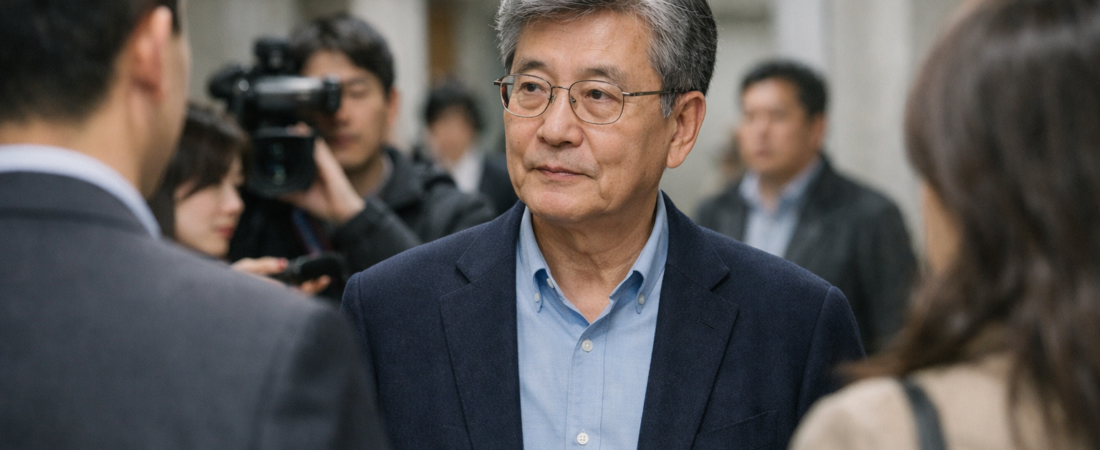
Can one writer’s comment shake an entire political party? That’s exactly what’s happening in Korea right now, as author Yoo Si-min finds himself at the center of a growing storm.
His recent criticism of President Lee Jae-myung has triggered sharp pushback from pro-Lee lawmakers and the presidential office itself. Even respected figures within the party have joined the counterattack.
Why does one public intellectual’s opinion carry so much weight? Let’s break down what’s really going on.
What Did Yoo Si-min Actually Say?
Yoo Si-min is no stranger to controversy. As a former government minister and one of Korea’s most recognized political commentators, his words tend to travel fast.
This time, Yoo Si-min directly criticized President Lee Jae-myung, and the backlash came almost immediately. His remarks touched a nerve within the ruling camp, especially among those closely aligned with the president.
What made his comments so explosive? It wasn’t just the criticism itself, but the timing.
Korea’s ruling party is heading into a party convention soon, and internal unity matters more than ever during these periods. Any public criticism from a respected voice like Yoo Si-min can shift momentum, especially when factions are already jockeying for position.
Think about it this way: would a stranger’s opinion sting as much as a trusted friend’s disagreement? Yoo Si-min isn’t an outsider to progressive politics in Korea.
He’s someone with long-standing credibility, which is exactly why his criticism landed so hard. When someone from within your own camp raises doubts, it’s harder to dismiss than an attack from political rivals.
Why the Ruling Party Is Fighting Back
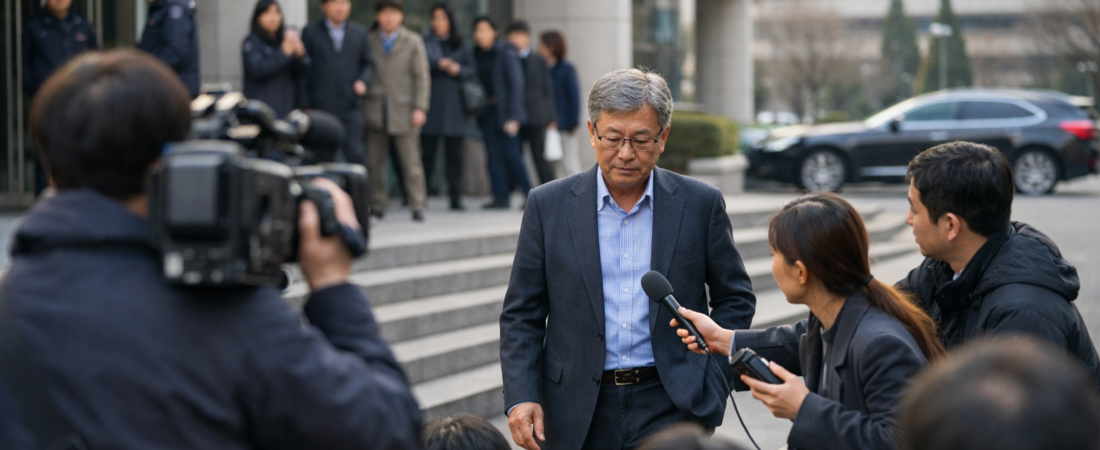
The response to Yoo Si-min was swift and coordinated. Pro-Lee lawmakers, often called the “pro-Lee faction,” pushed back hard against his claims.
The presidential office also issued a strong rebuttal, signaling just how seriously they viewed the situation. This wasn’t a quiet internal disagreement — it played out in public view.
Several high-profile figures joined the criticism of Yoo Si-min. Former Prime Minister Kim Min-seok spoke out against his remarks.
Former party leader Song Young-gil added his voice to the growing chorus of disapproval. Lawmaker Ko Min-jung also weighed in, criticizing Yoo Si-min’s stance publicly.
Why would so many senior figures respond to just one commentator? Because in Korean politics, perception matters as much as policy.
If a widely respected figure like Yoo Si-min appears to break ranks, it can signal deeper cracks within the party. Ruling party members likely feared this optic more than the substance of his argument.
Political unity, especially ahead of a convention, often gets prioritized over open debate. This is a pattern we’ve seen before in Korean party politics, and it says a lot about how internal dissent gets managed.
You might ask: does silencing criticism actually strengthen a party, or does it just delay a bigger reckoning? That question sits at the heart of this entire controversy.
Prosecutorial Reform: The Real Battleground
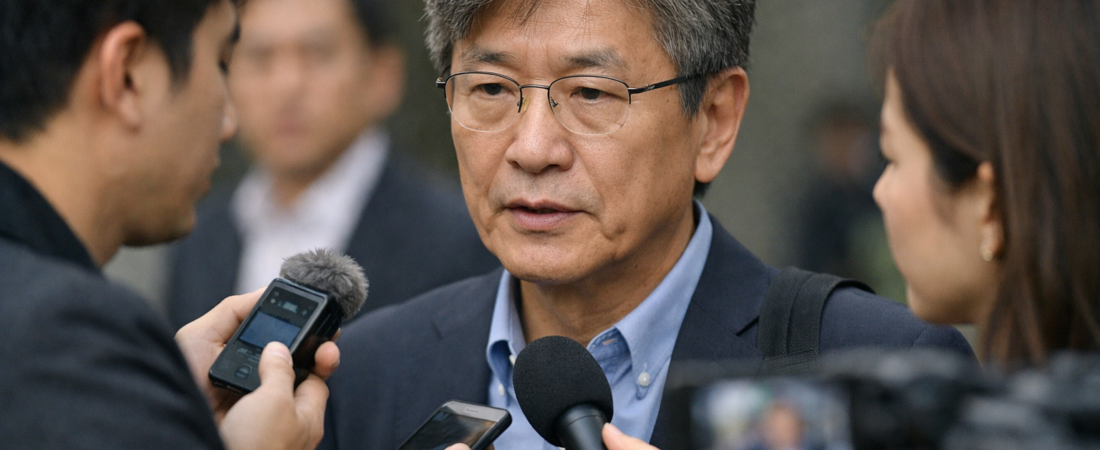
Behind the personal clash lies a much bigger policy fight. At the core of this dispute sits Korea’s ongoing debate over prosecutorial reform.
Specifically, the argument centers on the prosecution’s supplementary investigation authority. This is a technical-sounding issue, but it carries enormous political weight in Korea.
For years, Korean politics has wrestled with how much power prosecutors should hold. Reformists argue prosecutors have too much unchecked authority, capable of investigating and even influencing political outcomes.
Critics of over-reform worry that stripping too much power away could weaken accountability altogether. Yoo Si-min’s criticism appears to touch directly on this tension, questioning how the current administration is handling reform efforts.
This isn’t a new debate in Korean society. Prosecutorial reform has been a defining issue across multiple administrations, often splitting even members of the same party.
Should reform prioritize speed, or should it prioritize careful balance? Yoo Si-min seems to be pushing back against what he sees as risky shortcuts, and that’s precisely why his comments provoked such a strong reaction.
For readers unfamiliar with Korean politics, it helps to understand the historical backdrop here. Korea’s prosecution service has long held investigative powers far broader than in many Western democracies, combining prosecutorial and investigative functions in ways that critics call excessive.
Reform efforts over the past decade have tried to separate these powers, but progress has been slow and politically fraught. If you want a deeper look at how these institutional debates have unfolded over time, this Korean News Report report offers helpful background.
What This Means Ahead of the Party Convention
Timing changes everything in politics, doesn’t it? This controversy involving Yoo Si-min comes at a particularly sensitive moment.
Korea’s ruling party is preparing for its national convention, a moment when internal factions typically try to project unity. Instead, this very public disagreement is exposing real fractures.
Why does this matter beyond party politics? Conventions often set the tone for a party’s direction over the following years.
If pro-Lee figures succeed in discrediting Yoo Si-min’s criticism, it signals a consolidation of power around President Lee Jae-myung. If his concerns gain traction instead, it could open space for more internal debate on reform policy.
Either outcome shapes how Korea approaches prosecutorial reform going forward. This moment also reveals something deeper about Korean political culture.
Public intellectuals like Yoo Si-min occupy a unique space — respected enough to be heard, but vulnerable to backlash when they challenge sitting leadership. Watching how the party handles this disagreement tells us a lot about its tolerance for internal dissent.
Does a healthy democracy need voices like Yoo Si-min, even when they’re inconvenient? Most political scientists would say yes.
Internal criticism, handled well, can actually strengthen a governing party by catching blind spots early. Handled poorly, though, it can deepen divisions right when unity matters most.
As Korea heads toward its convention, this tension between loyalty and open debate will likely intensify. Yoo Si-min may not hold elected office, but his influence on public discourse remains significant.
How this controversy resolves could shape not just party dynamics, but the broader trajectory of prosecutorial reform in Korea. For global readers watching Korean politics, this episode offers a window into how deeply personal and institutional battles intertwine here.
What do you think — should political parties welcome sharp internal criticism like Yoo Si-min’s, or does it ultimately weaken their unity when they need it most?
AI-Generated Photorealistic Image — All people, scenes, and details in this image are entirely AI-generated and fictional. Not a real photograph of an actual person or event. 이 이미지는 AI로 생성된 가상 이미지입니다.


Leave a Reply