Table of Contents
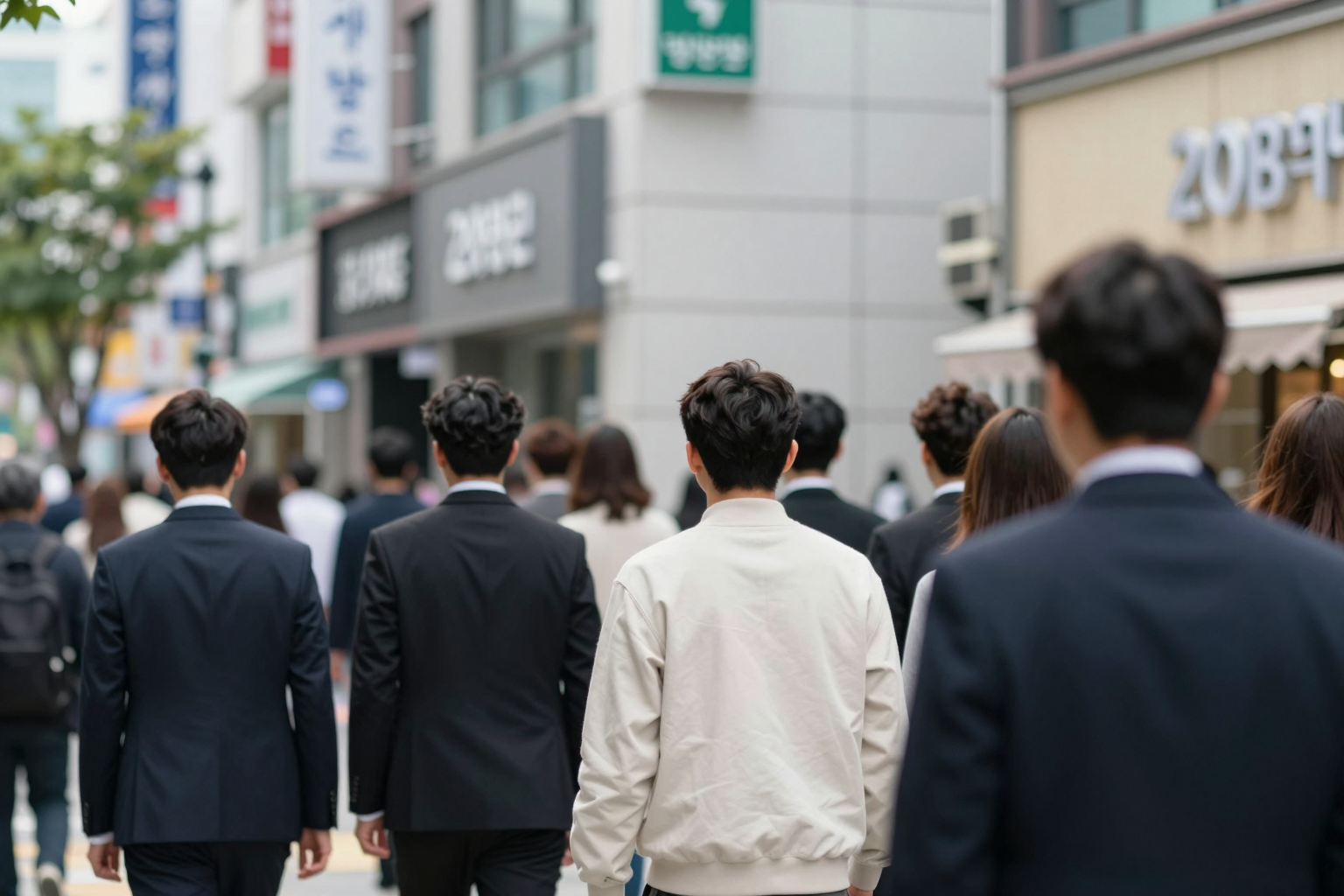
Korean consumers in their 20s have cut their share of total consumption by six percentage points in just five years. Right now, as of this week, Korean media are reporting that this generation is skipping alcohol, avoiding movie theaters, and even visiting convenience stores less often. This shift in 20s consumption is reshaping entire commercial districts across the country.
Have you ever wondered what happens when an entire generation quietly steps back from spending? That’s exactly what’s unfolding in Korea today. The story isn’t just about tighter wallets — it’s about a fundamental change in how young Koreans live, socialize, and spend their time.
South Korea’s 20s Consumption Shift Is Real, Right Now
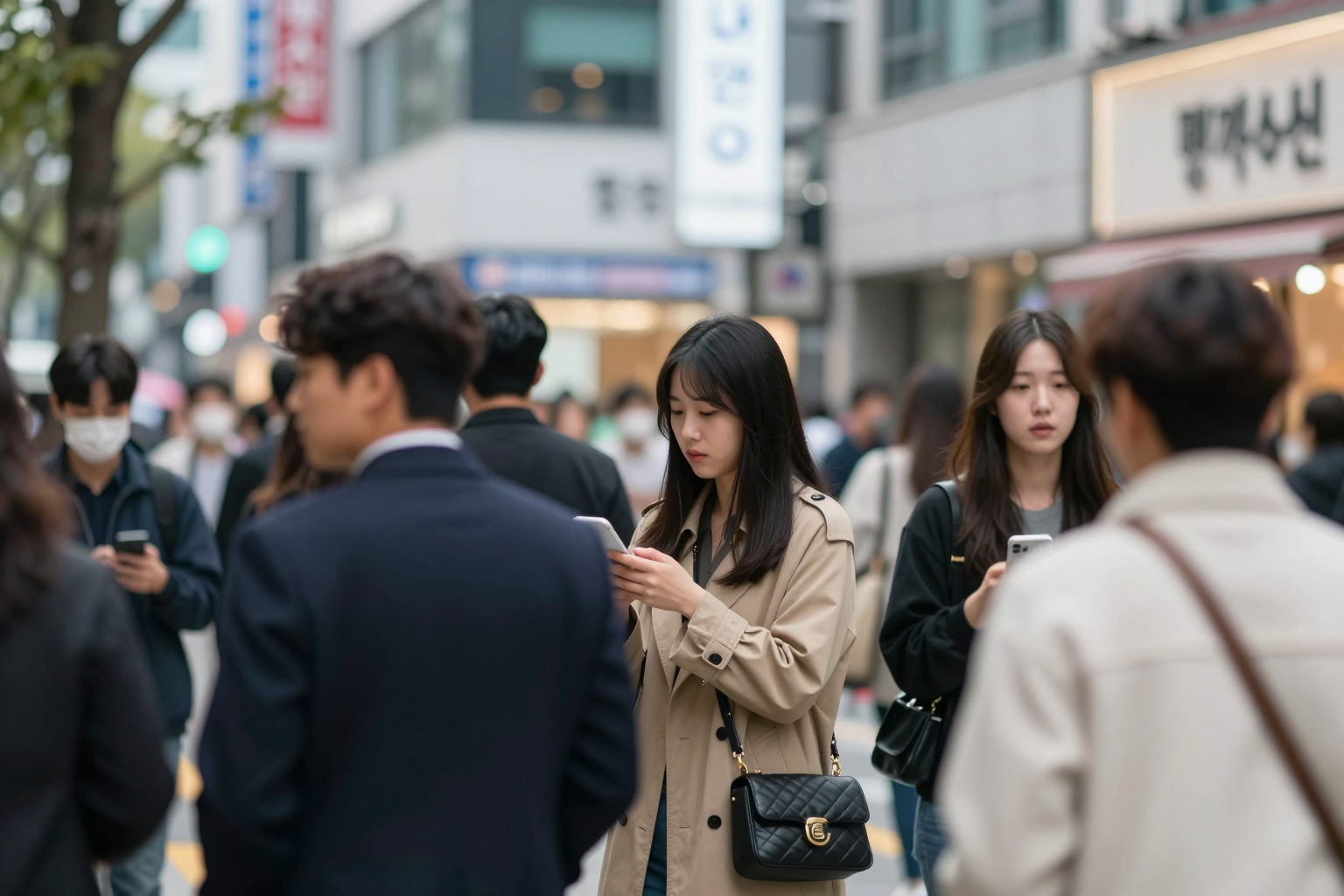
Data from Maeil Business Newspaper shows something striking. Twenty-somethings, once the driving force behind bars, cafes, and cinemas near university campuses, are pulling back hard. Netflix and other streaming platforms have become their go-to entertainment choice instead.
Why does this matter so much? Because the 20s demographic has traditionally been the engine of discretionary spending in Korea’s economy. When that engine slows, ripple effects reach small business owners, landlords, and even national retail chains.
The report also points to a striking number: 1.71 million young Koreans currently fall into the “resting” category, meaning they’re not working, studying, or actively job hunting. That’s a significant chunk of the population sitting outside the traditional consumption cycle entirely. You can see the full details in this Maeil Business Newspaper report.
From Soju to Sparkling Water: What Changed

Drinking culture used to define Korean social life for young adults. Company dinners, university clubs, and friend gatherings all revolved around soju and beer. Now, more 20s consumers are choosing plain water over soda, and skipping alcohol altogether.
This isn’t just a health trend. It reflects a broader retreat from spending-heavy social rituals that once defined young adulthood in Korea.
Movie theaters tell a similar story. Ticket prices have climbed steadily since the pandemic, while streaming subscriptions offer more content for less money. Why pay for a theater seat and popcorn when Netflix delivers entertainment straight to your phone? For many in their 20s, that math simply doesn’t add up anymore — and honestly, who could blame them for doing the arithmetic.
This pattern connects to a wider economic reality. Wages for entry-level workers haven’t kept pace with rising living costs in major cities like Seoul. When young Koreans have less disposable income, 20s consumption naturally contracts across multiple categories at once.
University Districts Feel the Pain First

Small business owners near university campuses are sounding the alarm. Sales at bars, restaurants, and cafes in these areas have declined steadily for years, according to the report. Areas that once buzzed with student foot traffic now show empty tables even during peak hours.
Even convenience stores, long considered recession-proof due to their low price points, are seeing fewer visits from customers in their 20s. That’s a telling sign. If young people are skipping even a quick meal at a convenience store, something deeper is happening in their spending habits.
Business owners near Sinchon and Hongdae, two of Seoul’s most famous university neighborhoods, have described this shift as unlike anything they’ve seen before. These districts survived the 2008 financial crisis and the pandemic shutdowns. But this slow, steady erosion of 20s consumption feels different — quieter, and possibly more permanent.
Why does this generational retreat feel more troubling than past downturns? Previous crises were temporary shocks with clear recovery paths. This time, the change looks structural, tied to job market struggles and shifting values around what counts as a worthwhile expense.
Why This Matters Beyond Korea’s Borders
Global readers might wonder why a domestic Korean spending trend deserves their attention. The answer lies in what this signals about young adult economies worldwide. Korea often serves as an early indicator for consumption patterns that later appear in other developed economies.
The rise of streaming over theaters, and sobriety over social drinking, mirrors trends already emerging among young adults in the United States and parts of Europe. Korea’s 20s consumption data offers a real-time case study in how digital entertainment and economic pressure reshape spending behavior. That makes this story valuable far beyond Seoul’s university districts.
There’s a harder truth here worth naming honestly. When 1.71 million young people sit outside the job market and spending cycle, that represents real strain — on families, on local economies, and on the young people themselves who may feel disconnected from a sense of purpose or progress.
But this isn’t only a story of decline. It’s also a story of young Koreans making deliberate choices — prioritizing savings, mental health, and simpler pleasures over debt-driven socializing. Some economists see early signs of small businesses adapting, offering subscription-style discounts or quieter, lower-cost gathering spaces designed for this generation’s actual habits, not the ones of decades past.
Korea’s economy now faces a real test. Can policymakers and business owners adapt fast enough to meet young people where they actually are, rather than where past generations used to be? The answer will shape how 20s consumption evolves over the next decade, and whether this generation reconnects with the marketplace on its own terms.
What do you think about this shift in Korea’s youth spending habits — is it a warning sign, a natural evolution, or a bit of both?
AI-Generated Photorealistic Image — All people, scenes, and details in this image are entirely AI-generated and fictional. Not a real photograph of an actual person or event. 이 이미지는 AI로 생성된 가상 이미지입니다.
Leave a Reply