Table of Contents
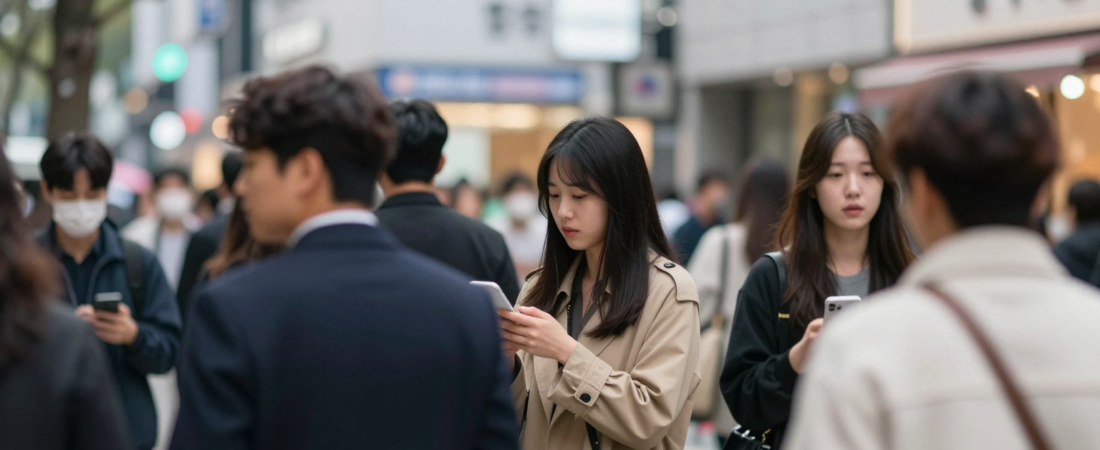
Korean shopping malls and university district merchants are reporting a sharp pullback in 20s consumption, with convenience store customer share among people in their twenties dropping six percentage points in five years. Right now, as of this week, Korean business news outlets are highlighting a striking shift: young adults are skipping alcohol at semester start, avoiding movie theaters, and staying home with Netflix instead. This is not a small blip. It is a structural change in how an entire generation spends money.
Do you remember what campus life looked like the week classes began? Bars packed, theaters busy, convenience stores buzzing with students grabbing snacks between classes. That picture is fading fast, and the numbers back it up.
What’s Really Happening to 20s Consumption
According to recent reporting from Maeil Business Newspaper, the consumption habits of Korean people in their twenties are undergoing a quiet but significant transformation. Instead of soda, many now reach for plain water. Instead of a night out, many choose to stream a show at home.
This shift in 20s consumption goes beyond taste preferences. It reflects deeper financial caution among young Koreans. Fewer disposable dollars, more economic uncertainty — this combination changes everything about how people spend.
The report also points to a troubling parallel trend: the number of young Koreans classified as “resting” — not working, not studying, not job hunting — has climbed to 1.71 million. That is a massive pool of young adults sitting outside the traditional economy altogether. When people aren’t earning, they naturally aren’t spending either.
Why University Districts Are Feeling the Pain
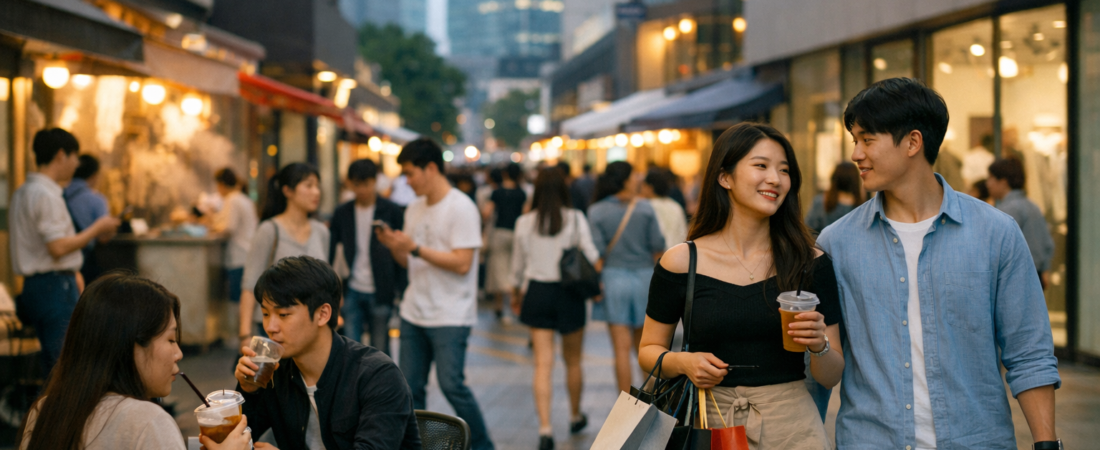
Small business owners near Korean universities are watching sales fall, month after month. Bars, restaurants, and cafes that once thrived on student traffic now struggle to fill tables. Why would this happen just as a new semester begins, when foot traffic should be at its peak?
The answer lies in changed priorities. Many students now weigh every purchase against tuition costs, rent, and an uncertain job market after graduation. Spending on a fun night out feels less justified when future income looks shaky.
Convenience stores, long considered recession-proof because of their low price points, are not immune either. Their customer base among people in their twenties has shrunk by six percentage points over five years. That is a meaningful drop for a channel built on quick, cheap, frequent visits — and it signals that even small daily purchases are being reconsidered.
(Somewhere, a ramen cup is sitting on a shelf, wondering what it did wrong.)
Netflix, Water, and the New Normal in 20s Consumption
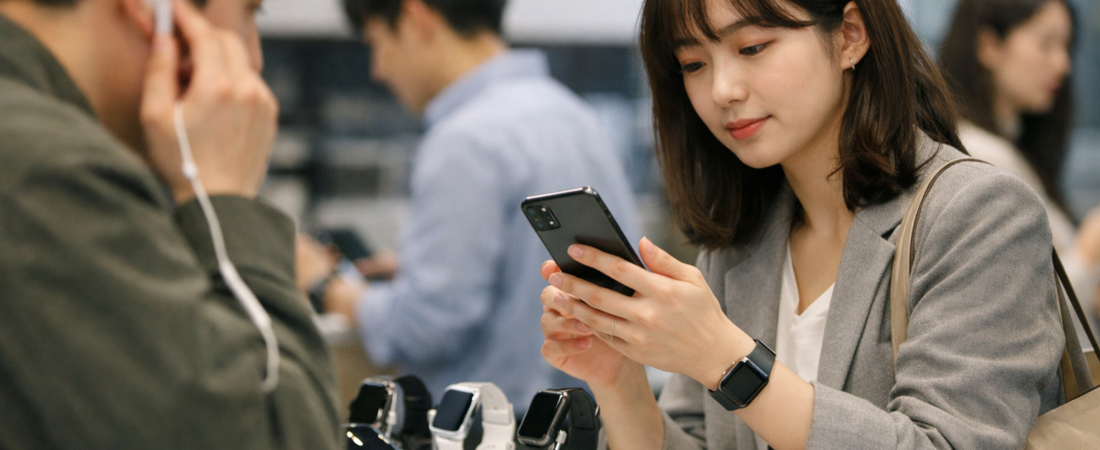
The rise of Netflix consumption among Korean twenty-somethings tells its own story. Why pay for a movie ticket, transportation, and snacks when a subscription already sitting on your phone offers unlimited entertainment? The math is simple, and young Koreans are doing it.
This pattern echoes trends seen in other countries during periods of economic tightening, but the speed of change in Korea stands out. Korean 20s consumption used to be a reliable engine for retail, hospitality, and entertainment sectors. That engine is now running quieter.
Water over soda might sound trivial, but it fits the same logic. Every small swap reflects a generation recalibrating what feels necessary versus what feels optional. Multiply these tiny decisions across millions of young consumers, and the ripple effect becomes visible in national retail data.
What This Means for Korea’s Economy Going Forward
Businesses that depend on young customers now face a real choice: adapt their offerings or continue losing ground. Some convenience store chains are already experimenting with cheaper meal deals and loyalty programs aimed specifically at cash-strapped students. Whether these efforts can reverse the 20s consumption decline remains uncertain, but the attempt itself shows the market responding to reality rather than ignoring it.
It’s worth being honest about the harder side of this story. A generation pulling back from spending, with 1.71 million young people outside work or study entirely, points to real strain — reduced opportunity, financial anxiety, and a shrinking sense of forward motion for many young Koreans.
Yet within that same picture, there are signs of resourcefulness rather than despair. Choosing water over soda, staying in rather than overspending, treating a streaming subscription as smarter than a night out — these are also acts of quiet resilience, young people managing limited resources with care. The same caution that worries economists also reflects a generation trying to build something more stable for itself, even if the path there is still unclear.
Korean policymakers and business leaders will need to watch this shift closely in the months ahead. If youth consumption keeps softening, entire sectors built around campus life may need to rethink their business models. What do you think is driving this change more — economic pressure, or a genuine shift in what young people value?
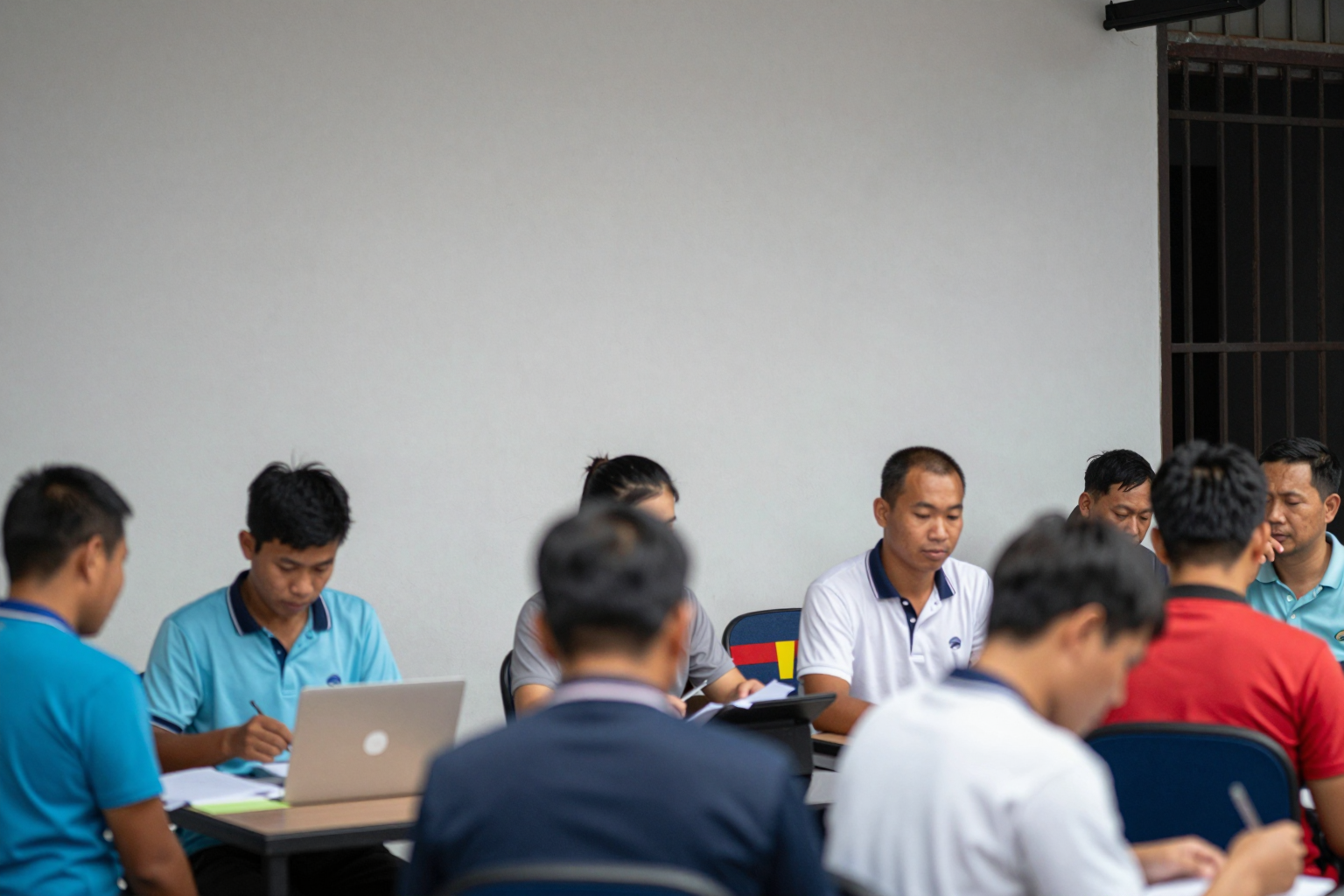
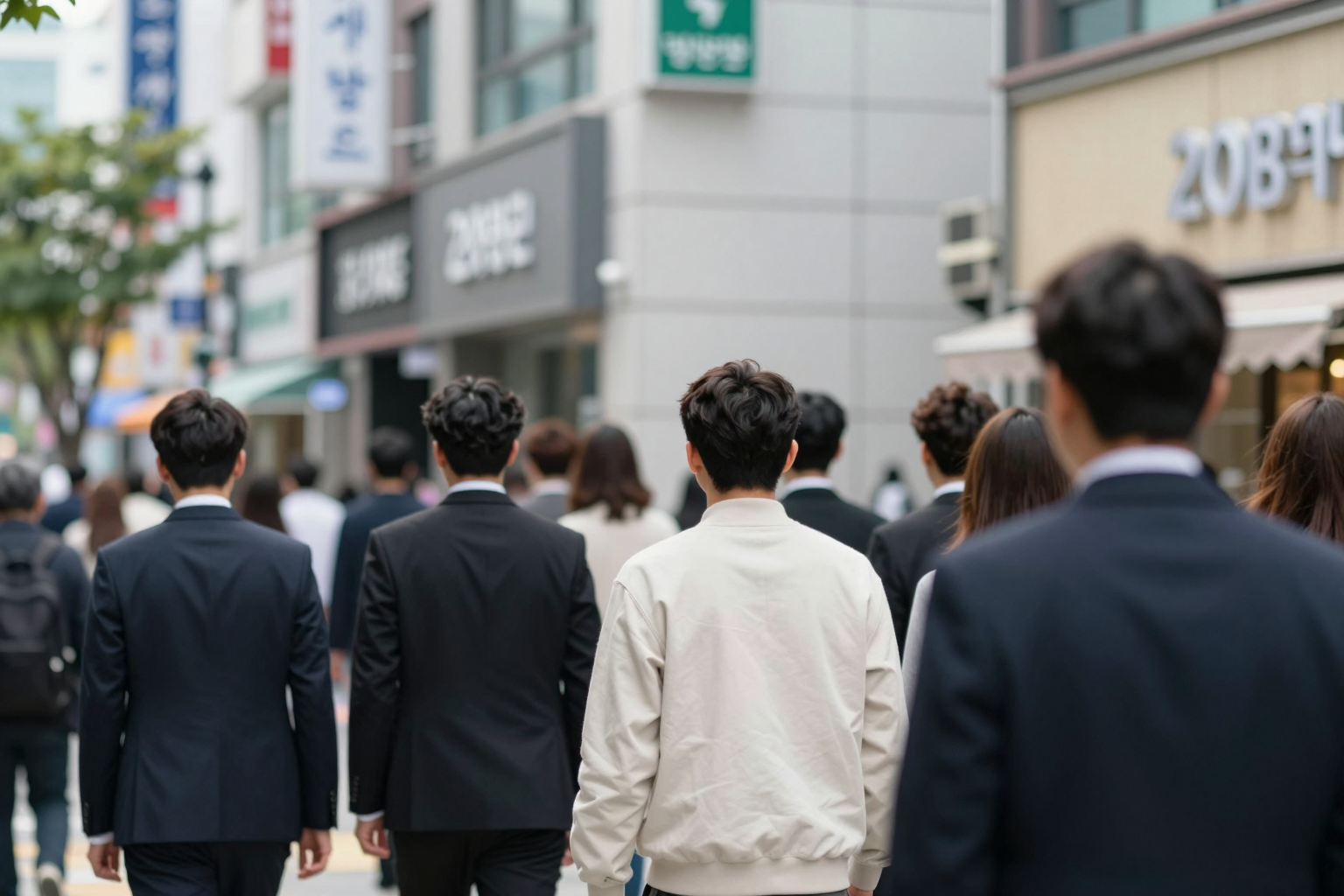
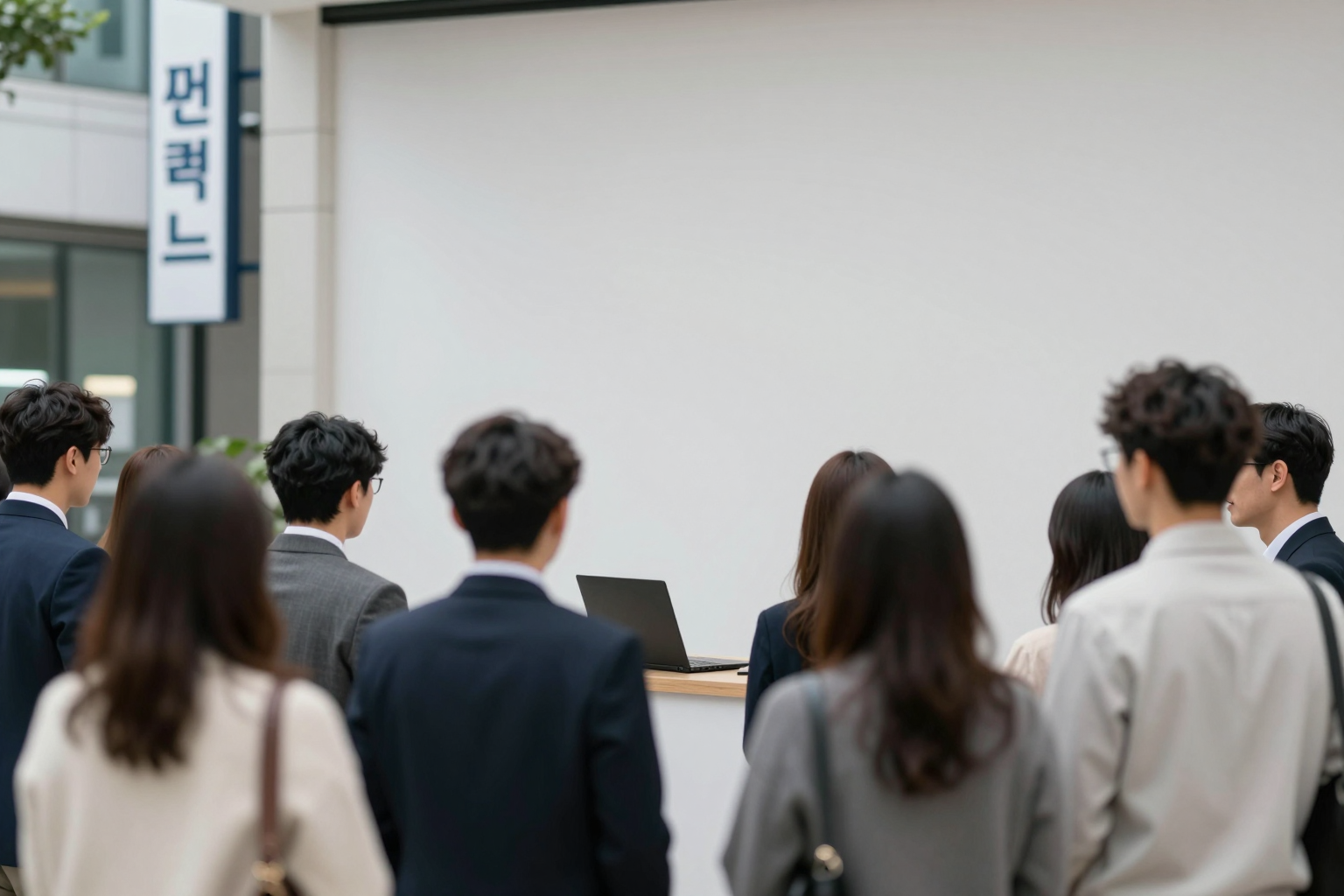
AI-Generated Photorealistic Image — All people, scenes, and details in this image are entirely AI-generated and fictional. Not a real photograph of an actual person or event. 이 이미지는 AI로 생성된 가상 이미지입니다.
Leave a Reply