
Table of Contents
Remembering Ahn Jin-soo, a Familiar Face on Korean Screens
Have you ever watched a Korean drama and instantly recognized a face, even if you couldn’t recall the actor’s name? That’s exactly the kind of presence actor Ahn Jin-soo built over decades. Ahn Jin-soo passed away on August 10, 2026, at the age of 81, closing a career that stretched across generations of Korean film and television.
News of Ahn Jin-soo’s death arrived through The Kyunghyang Shinmun, which reported his passing to a Korean entertainment industry that still remembers his steady, dependable screen presence. Born in 1945, Ahn Jin-soo belonged to a generation of actors who didn’t chase spotlight fame. Instead, he built a career on consistency, showing up film after film, drama after drama.
Why does an actor like Ahn Jin-soo matter to global readers who may never have heard his name before today? Because his career maps the entire evolution of modern Korean television, from black-and-white era holdovers to the glossy historical dramas that now stream worldwide.
The Golden Era Ahn Jin-soo Helped Build

Ahn Jin-soo’s résumé reads like a syllabus for anyone studying Korean drama history. He appeared in MBC’s “Eyes of Dawn” (1991–1992), a sweeping series that captured Korea’s turbulent 20th-century history. He later joined the cast of SBS’s “Sandglass” (1995), a landmark drama credited with pulling the entire country to their television sets on air nights.
People still call “Sandglass” the drama that emptied Korean streets. Imagine a Super Bowl Sunday, except it happened every week for months.
Ahn Jin-soo also appeared in “Women in the Palace” (2001–2002), a historical drama set in the Joseon Dynasty royal court. These three dramas alone span three different decades, three different broadcasters, and three completely different storytelling styles. Few actors manage that kind of range while staying recognizable to audiences the entire time.
Beyond television, Ahn Jin-soo worked with acclaimed film director Bae Chang-ho, moving fluidly between the big screen and the small screen. This dual career was common for actors of his generation. Korean cinema in the 1970s and 1980s didn’t offer today’s clear separation between film stars and drama stars, so versatility was survival.
Why Supporting Actors Like Ahn Jin-soo Mattered So Much

Here’s a question worth sitting with: why do we remember lead actors so easily, but forget the names of actors who appeared in nearly every major production of an era? Ahn Jin-soo represents a category of performer essential to any thriving industry, the reliable supporting actor. Without actors like him, the biggest Korean dramas of the 1990s simply wouldn’t have worked.
“Sandglass” needed its ensemble cast to feel like a real, breathing society, not just three lead characters against a backdrop. Ahn Jin-soo helped fill that world with texture and believability. The same applies to “Eyes of Dawn,” a historical epic that required dozens of convincing performances to sell its scope.
Korean television in the 1990s was undergoing rapid change. Cable and satellite options were still years away, so three major terrestrial broadcasters, KBS, MBC, and SBS, competed fiercely for viewers every single night. Actors like Ahn Jin-soo became the connective tissue of an entire national viewing habit, appearing across networks and genres with a consistency that audiences trusted.
What Ahn Jin-soo’s Legacy Teaches Us Today
What does the passing of an 81-year-old character actor tell us about how we value creative careers? It’s tempting to measure an acting life only by fame, awards, or global recognition. Ahn Jin-soo’s career suggests something different, a body of work built through decades of showing up and doing steady, honest work.
That kind of career deserves honest reflection, not just tribute. The entertainment industry, in Korea and everywhere else, often celebrates its brightest stars while quietly overlooking the actors who made those stars’ scenes believable in the first place. That imbalance is real, and it’s worth naming plainly.
But there’s a hopeful counterpoint here too. Korean broadcasters and film archives have grown more intentional in recent years about preserving and re-airing classic dramas like “Sandglass,” giving newer generations a chance to discover actors like Ahn Jin-soo on their own terms. Streaming platforms have also begun digitizing older Korean television catalogs, meaning his performances remain accessible rather than lost to time.
Legacy, it turns out, isn’t only about how loudly someone was celebrated while alive. Sometimes it’s about whether the work itself still speaks, years later, to people who never met the person who made it. Ahn Jin-soo’s scenes in “Sandglass” and “Eyes of Dawn” still exist, still available, still capable of teaching new viewers what Korean television looked like during its formative decades.
Korean drama fans around the world now watch productions influenced, directly or indirectly, by the era Ahn Jin-soo helped shape. His passing is a reminder that today’s global hallyu wave stands on decades of quieter groundwork. That groundwork deserves recognition, even when the names attached to it aren’t always the most famous ones.
As global audiences continue discovering classic Korean dramas through streaming platforms, actors like Ahn Jin-soo are finally getting a second look decades later. What do you think we owe to the supporting actors who built the foundation of an entire industry?
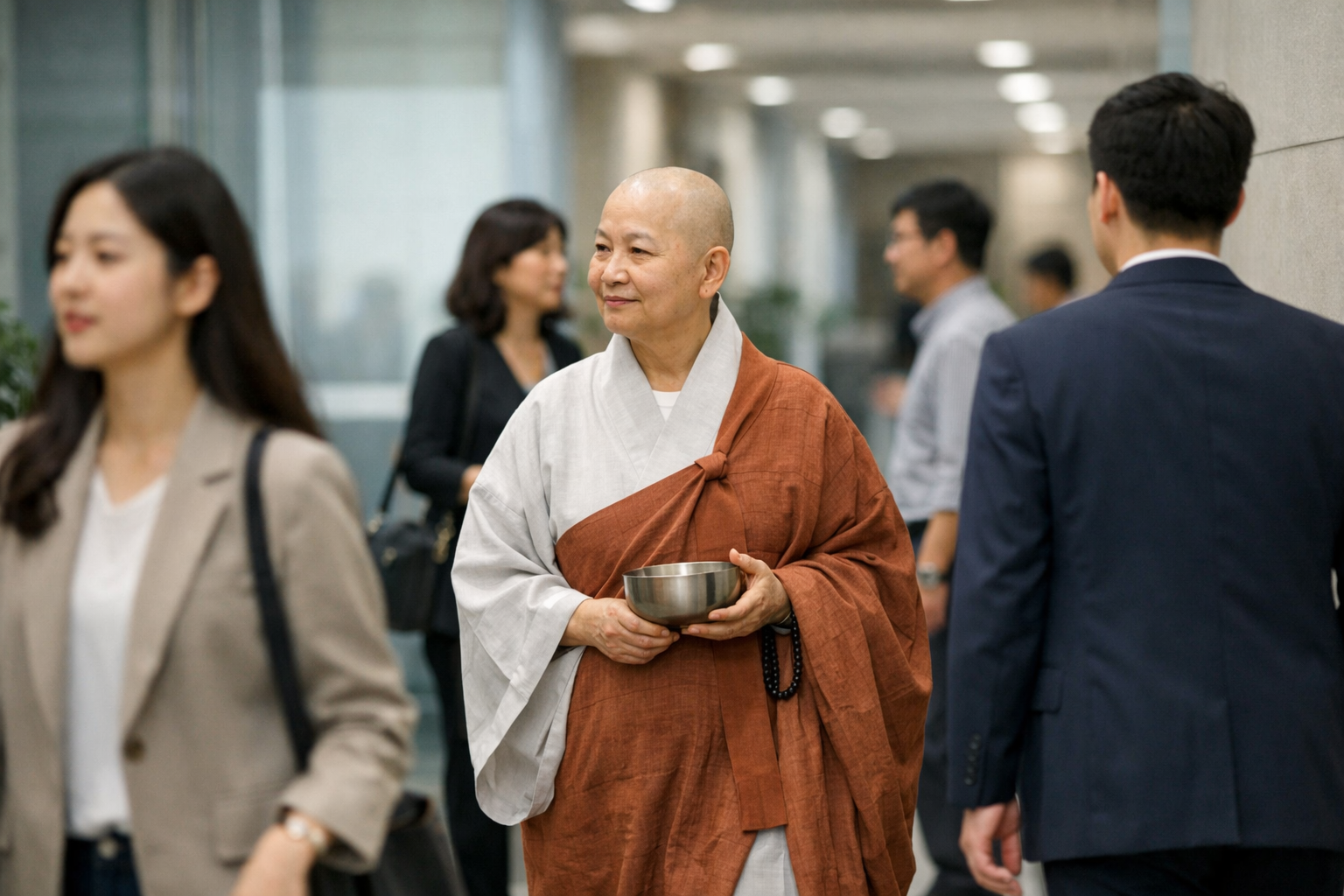
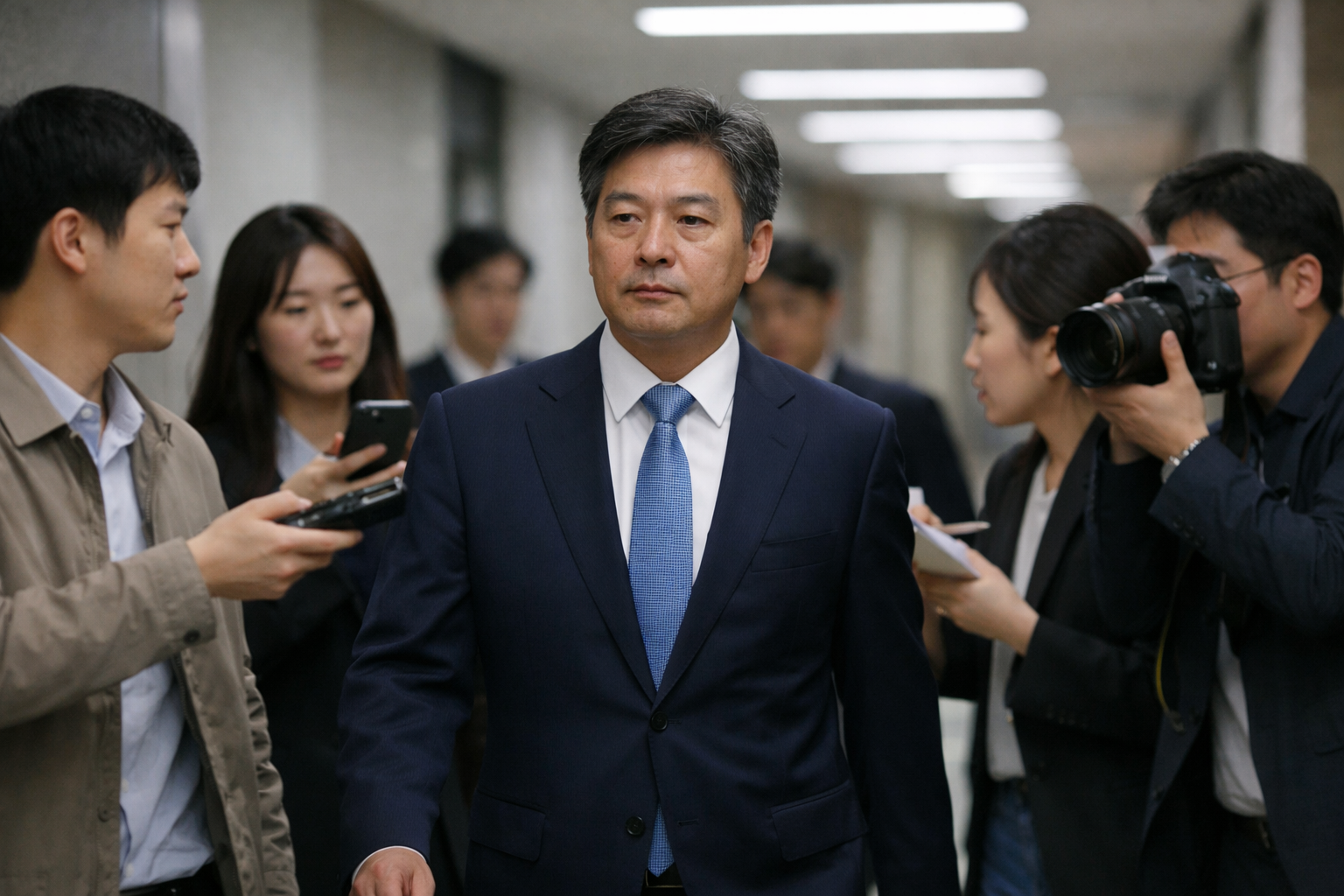
AI-Generated Photorealistic Image — All people, scenes, and details in this image are entirely AI-generated and fictional. Not a real photograph of an actual person or event. 이 이미지는 AI로 생성된 가상 이미지입니다.

Leave a Reply