Table of Contents
A New Trail Opens in the Heart of Seoul
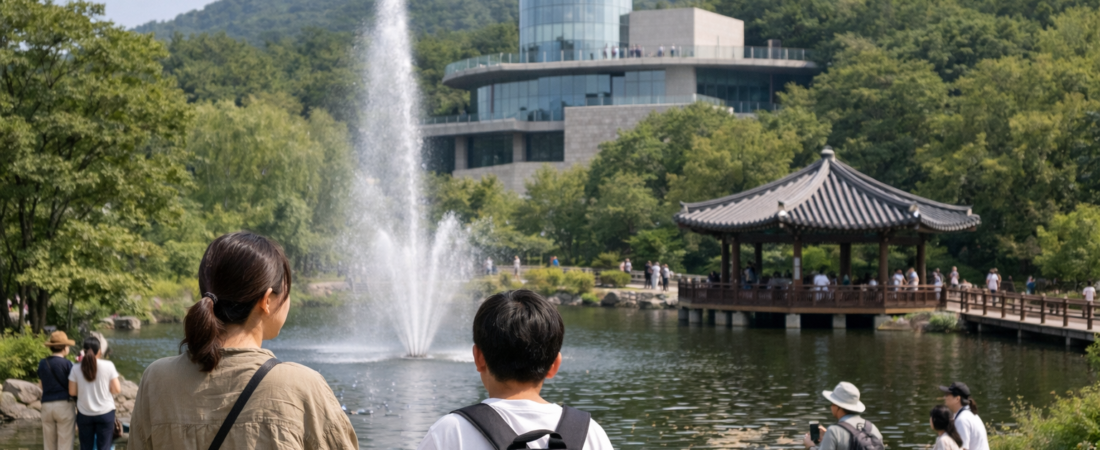
Ever wished you could escape the city without actually leaving it? Bukseoul Dream Forest just made that wish a little easier to grant. Seoul’s city government has opened a brand-new 500-meter deck trail through the Byeogosan hillside inside the park, giving visitors a shaded walk with real forest character.
This isn’t just a cosmetic update. The project adds four new viewing platforms and a refreshed outdoor café, turning a familiar neighborhood park into a more complete destination for rest and reflection.
For a city known for its skyscrapers and subway crowds, that kind of green upgrade feels almost rebellious. Seoul keeps building upward — but this time, it built a path through the trees instead.
What’s Changing at Bukseoul Dream Forest
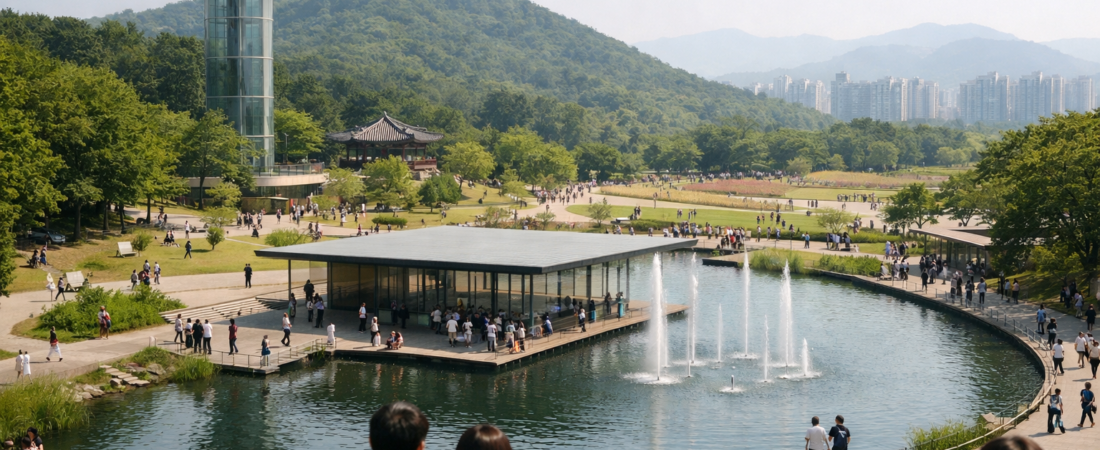
So what exactly did the city add? The centerpiece is the new 500-meter wooden deck trail, laid out along the Byeogosan slope inside Bukseoul Dream Forest. It winds under tree cover, letting walkers avoid direct sun during Seoul’s hot, humid summers.
That matters more than it sounds. August in Seoul can feel brutal, and shaded walking paths are not a small convenience — they’re often the difference between a pleasant stroll and a miserable one.
Alongside the trail, four viewing spots now offer wider sightlines over the park and surrounding neighborhood. Each platform gives visitors a place to pause, breathe, and take in the view before continuing on.
The renovated outdoor café rounds out the changes, giving hikers a spot to rest with a drink in hand. Think of it as a small reward station built right into the landscape.
Together, these additions reshape how people experience Bukseoul Dream Forest day to day. It’s no longer just a park you pass through — it’s a park designed for you to linger in.
You can find more details on Seoul’s public park developments through Yonhap News Agency, which first reported on the project.
Why Urban Forests Like This Matter for Seoul
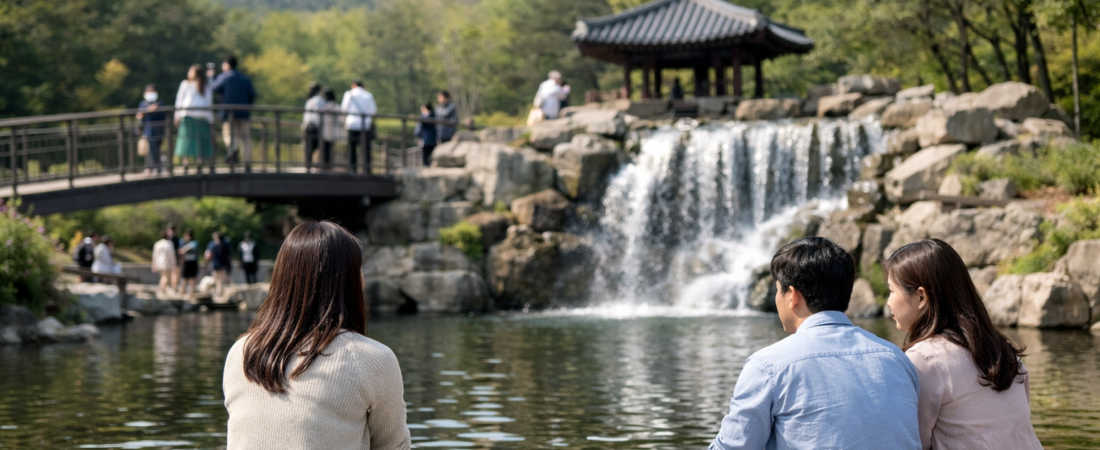
Why does a single park upgrade deserve this much attention? Because Seoul is one of the densest major cities on earth, and green space here is genuinely precious. Every new trail chips away at that density problem, one tree-lined path at a time.
Bukseoul Dream Forest itself carries some history worth knowing. It opened in 2009 on the site of a former racecourse and golf range in Gangbuk-gu, transforming industrial-era land use into public green space.
That transformation reflects a broader shift in Korean urban planning. Cities across the country have spent the last two decades converting old infrastructure into parks, walking trails, and riverside paths — Seoul’s own Cheonggyecheon stream restoration is probably the most famous example.
Bukseoul Dream Forest fits into that same pattern, just on a quieter, more residential scale. It serves the northern districts of the city, areas that don’t always get the tourist attention that central Seoul does.
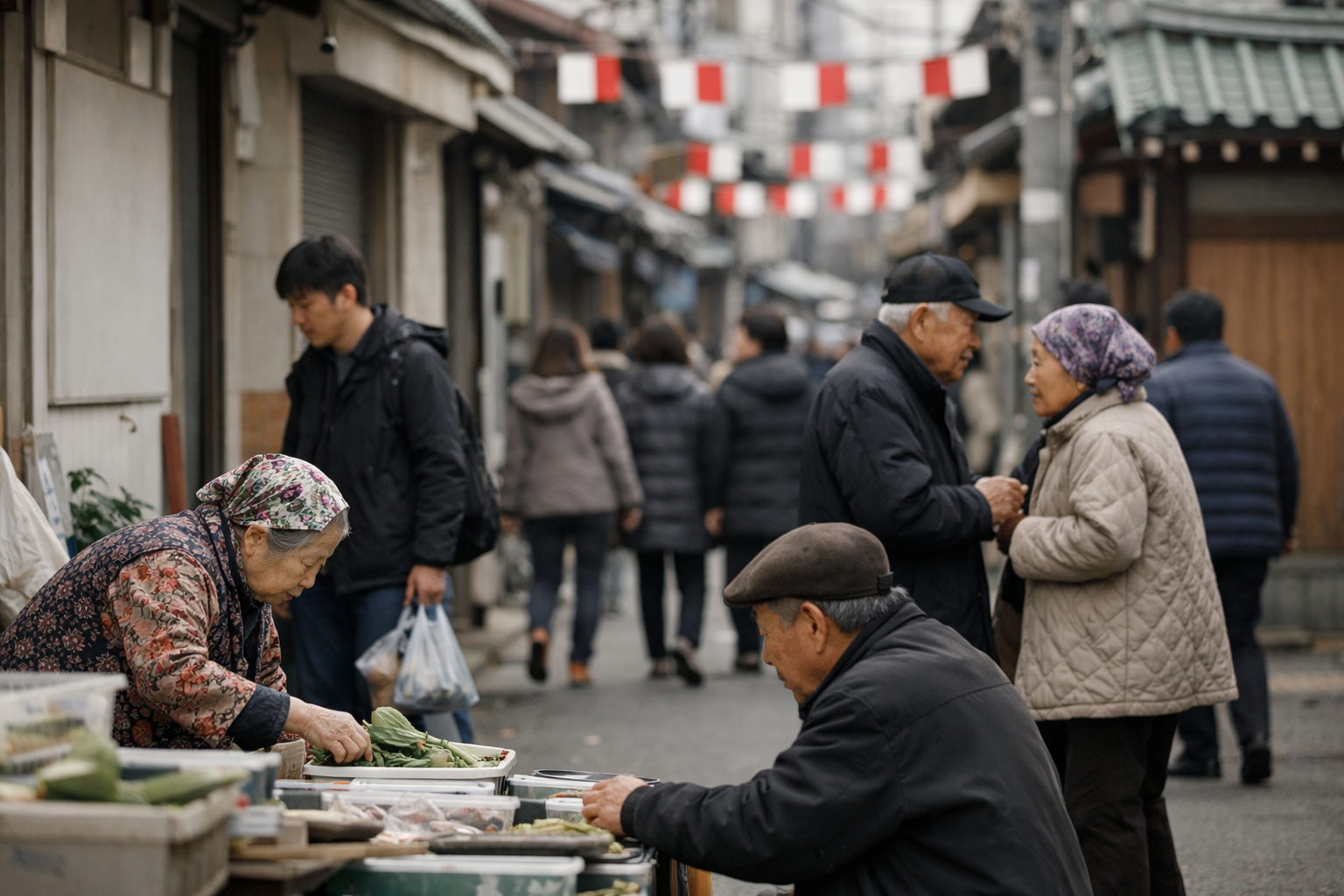
And honestly, that’s part of the charm. You won’t fight through crowds of camera-wielding tourists here — you’ll mostly find local families, retirees on morning walks, and the occasional jogger who clearly knows a good shortcut.
Does one 500-meter trail fix Seoul’s larger green-space shortage? Of course not, and it would be dishonest to pretend otherwise. But it does represent real, tangible progress — the kind of incremental civic investment that adds up over years, even when no single project makes global headlines.
Planning Your Visit to Bukseoul Dream Forest
If you’re plotting a Seoul itinerary, where does Bukseoul Dream Forest fit in? It works well as a half-day trip, especially if you pair the new deck trail with the park’s existing attractions like the Dream Lake and Community Culture Center.
Bring comfortable shoes, because the trail covers uneven terrain along the Byeogosan slope. The tree cover helps with heat, but Seoul summers are still no joke — pack water regardless.
Early morning or late afternoon visits tend to offer the best light for the new viewing platforms. Weekday visits mean fewer crowds, since weekends bring out local families in force.
There’s something quietly moving about a city choosing to slow down its own growth just enough to plant a trail through the trees. Seoul could have used that hillside for almost anything — more housing, another commercial strip, denser infrastructure. Instead, it chose shade, a place to sit, and a longer way to walk home.
That choice says something about what a community values when it has options. It doesn’t erase the real pressures of urban life here — the long commutes, the small apartments, the constant hum of construction that never really stops in a growing city. But it does suggest that even amid all that pressure, people still carve out room for rest, and cities still build spaces meant for nothing more than standing still and looking at trees.
Bukseoul Dream Forest won’t solve Seoul’s housing crunch or traffic. It will, however, give you — and thousands of local residents — one more reason to step outside and breathe a little easier this month.
So here’s a question worth sitting with: what would your own neighborhood look like if it made the same trade-off Seoul just did? Have you visited Bukseoul Dream Forest before, and would this new trail change how you’d plan your next trip to Seoul?
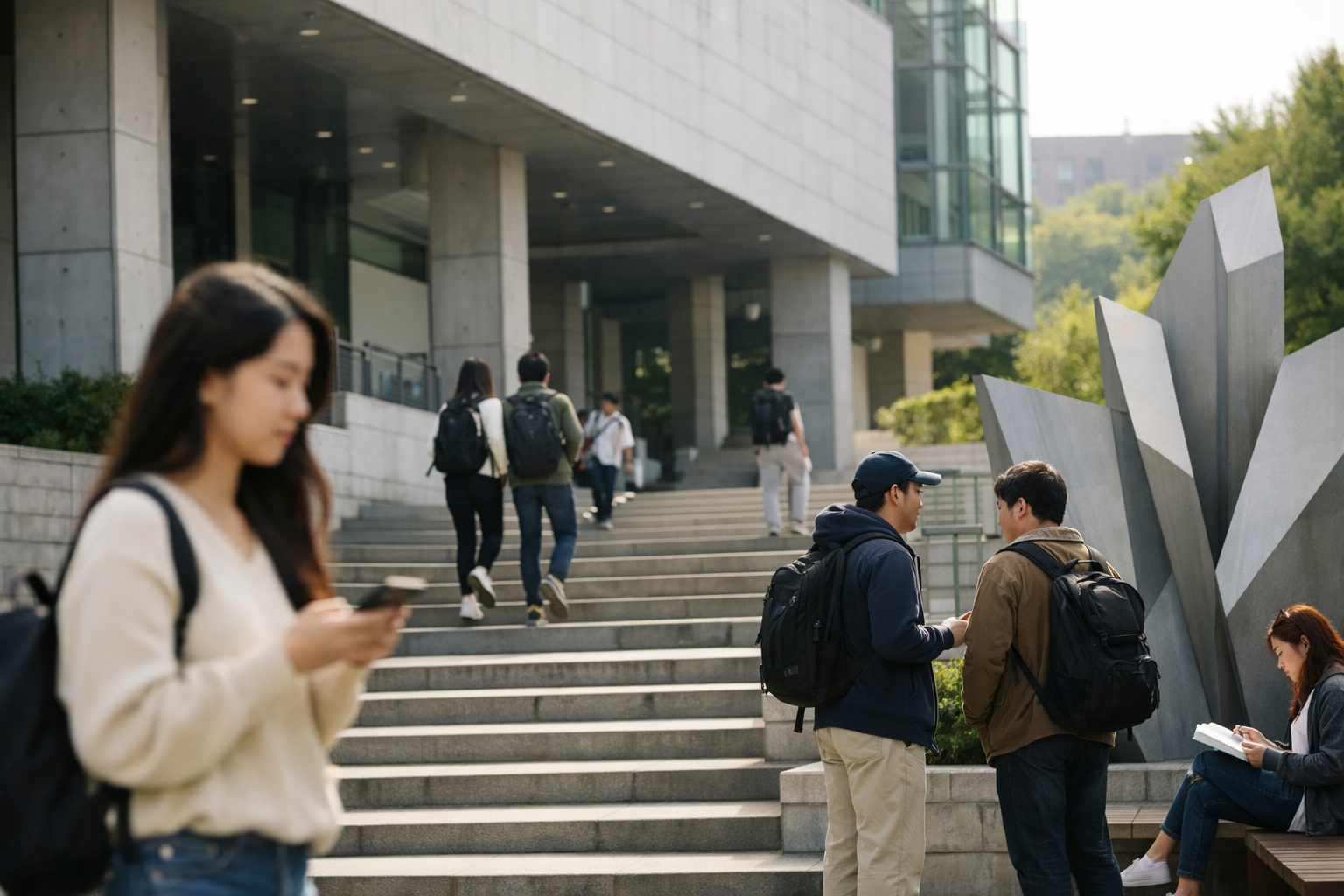
AI-Generated Photorealistic Image — All people, scenes, and details in this image are entirely AI-generated and fictional. Not a real photograph of an actual person or event. 이 이미지는 AI로 생성된 가상 이미지입니다.


Leave a Reply