Table of Contents
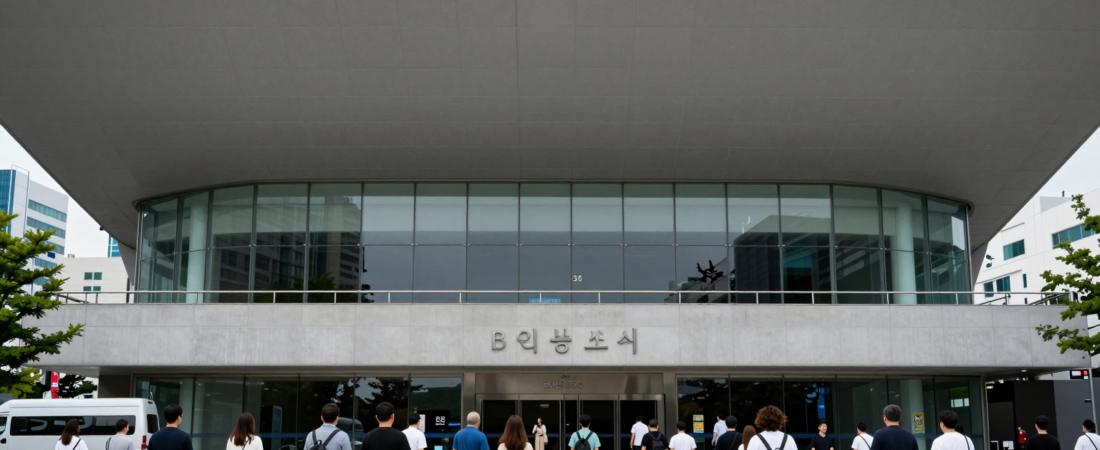
The Busan Opera House will open in September next year, and its opening performance is already sparking public debate. City officials and citizens recently held a public forum to discuss whether Busan should invite Italy’s famous La Scala opera company for the launch. Supporters call it a symbolic springboard for Busan’s cultural future, while critics call the price tag excessive.
Why does one opening night matter so much? Because it sets the tone for how a brand-new venue is seen at home and abroad.
The Busan Opera House is not just another building. It represents years of planning, city investment, and hope for cultural growth in Korea’s second-largest city.
What the Busan Opera House Debate Is Really About
At its core, this is a debate about priorities. Should a new cultural landmark start with a bold, expensive statement, or a modest, budget-conscious one?
Busan has invested heavily in this opera house project. City leaders see it as a way to place Busan on the map alongside global arts destinations like Sydney or Vienna.
But some residents ask a fair question. Is a lavish debut really the best use of public funds when other cultural needs exist across the city?
This tension is not unique to Busan. Cities around the world face similar debates when opening major venues.
Do you spend big to make a splash, or build slowly and let reputation grow over time? The Busan Opera House now sits right in the middle of that question.
Why La Scala Became the Center of the Argument
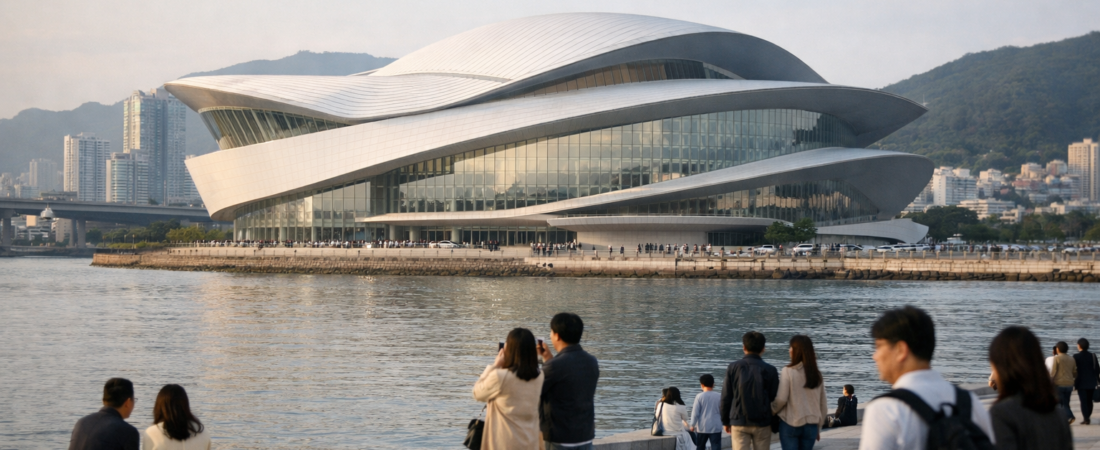
La Scala, based in Milan, is one of the most prestigious opera houses in the world. Inviting such a company to perform at the Busan Opera House opening would send a clear message about ambition.
Supporters at the citizen forum argued that a La Scala performance could act as what Koreans call a “mamujungmul” moment, a priming event that jumpstarts future momentum. Think of it like a grand ribbon-cutting that echoes for years, not just one night.
Once you’re compared to La Scala, expectations rise fast — flattering, but also a little terrifying for organizers.
Opponents, meanwhile, focus on the cost. International opera companies do not travel cheaply, and Busan taxpayers would ultimately cover much of that bill.
Critics at the forum said the money might be better spent on local artists or long-term venue operations. This is where the Busan Opera House conversation becomes less about art and more about economics.
You can read more background on cultural venue openings in Korea through Yonhap News Agency, which has followed the project closely.
The Case For and Against a Grand Opening
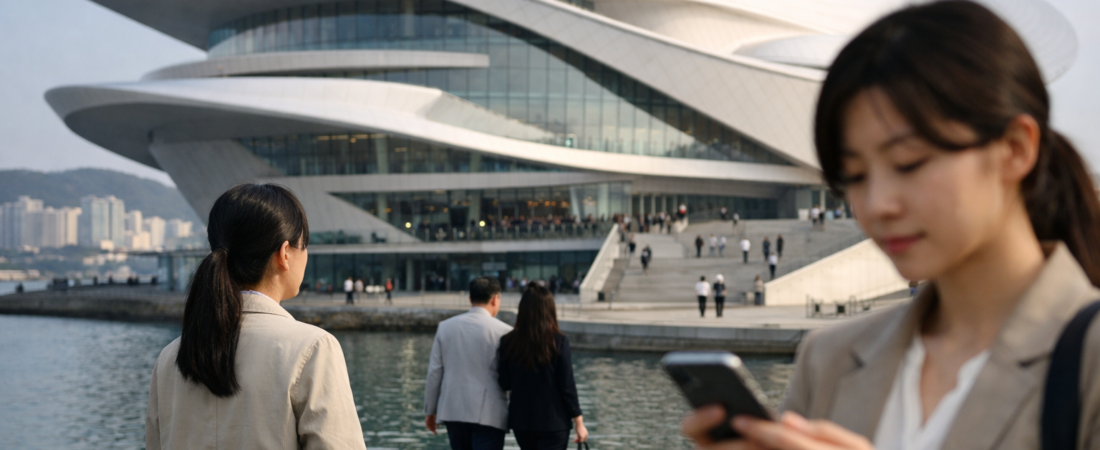
Let’s break down both sides fairly. Supporters believe the Busan Opera House needs a strong first impression to attract future international productions and tourism.
A globally recognized name like La Scala could put Busan on international arts calendars immediately. Without that, they argue, the venue risks being seen as just another regional hall.
Opponents counter that reputation should be built through consistent quality, not a single expensive night. They point to the ongoing operating costs the city will face for years after the opening ceremony ends.
Why spend a huge portion of the budget on one evening, they ask, when steady programming matters more long-term? Both sides raise valid points, and neither is simply right or wrong.
This is the kind of debate that tests how a city defines success. Is success measured by a headline moment, or by decades of stable cultural service to residents?
What This Means for Culture Fans and Future Visitors
If you’re planning to visit Busan once the opera house opens, this debate directly shapes your experience. A high-profile opening could mean bigger programming and international partnerships down the road.
A more modest launch might mean slower growth, but potentially more stable ticket prices and community-focused events. Either path affects how the Busan Opera House positions itself in Korea’s cultural landscape for years to come.
This local argument actually mirrors a bigger, quieter question many communities face. How do we balance ambition with responsibility, and pride with restraint?
There is no easy answer here, and that is worth admitting honestly. Big cultural investments can genuinely uplift a city’s identity and give residents something to be proud of, yet the same investment can strain budgets meant for everyday needs.
The encouraging part is that Busan chose open dialogue instead of a quiet decision behind closed doors. Citizens showing up to debate opera budgets is, in its own way, a sign of a healthy public culture — people caring enough to argue about what their city becomes.
The Busan Opera House will open its doors no matter which side wins this argument. What matters more is whether the decision reflects genuine public input, not just city hall preference.
What do you think — should Busan spend big on a world-class opening, or build its reputation gradually over time?
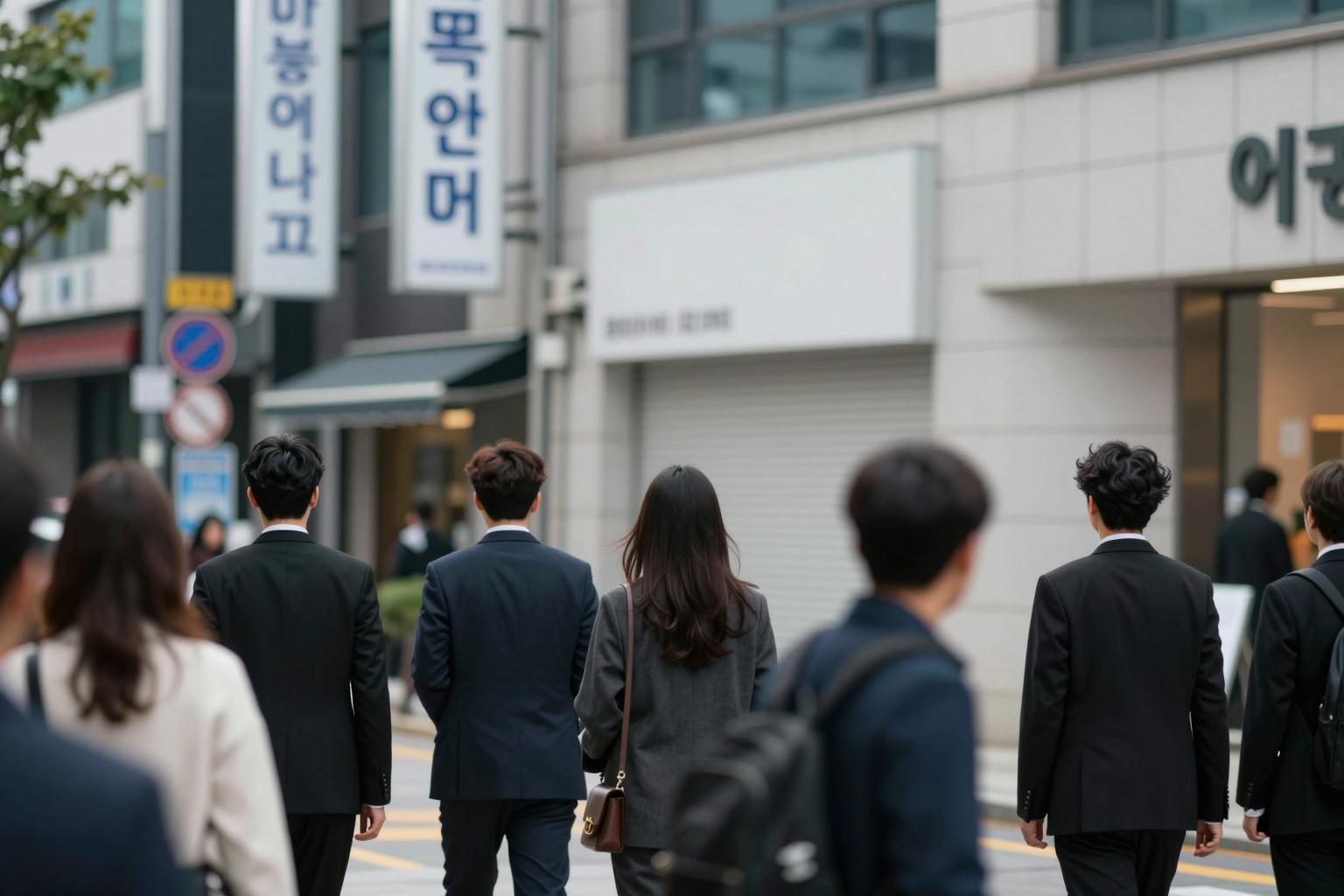
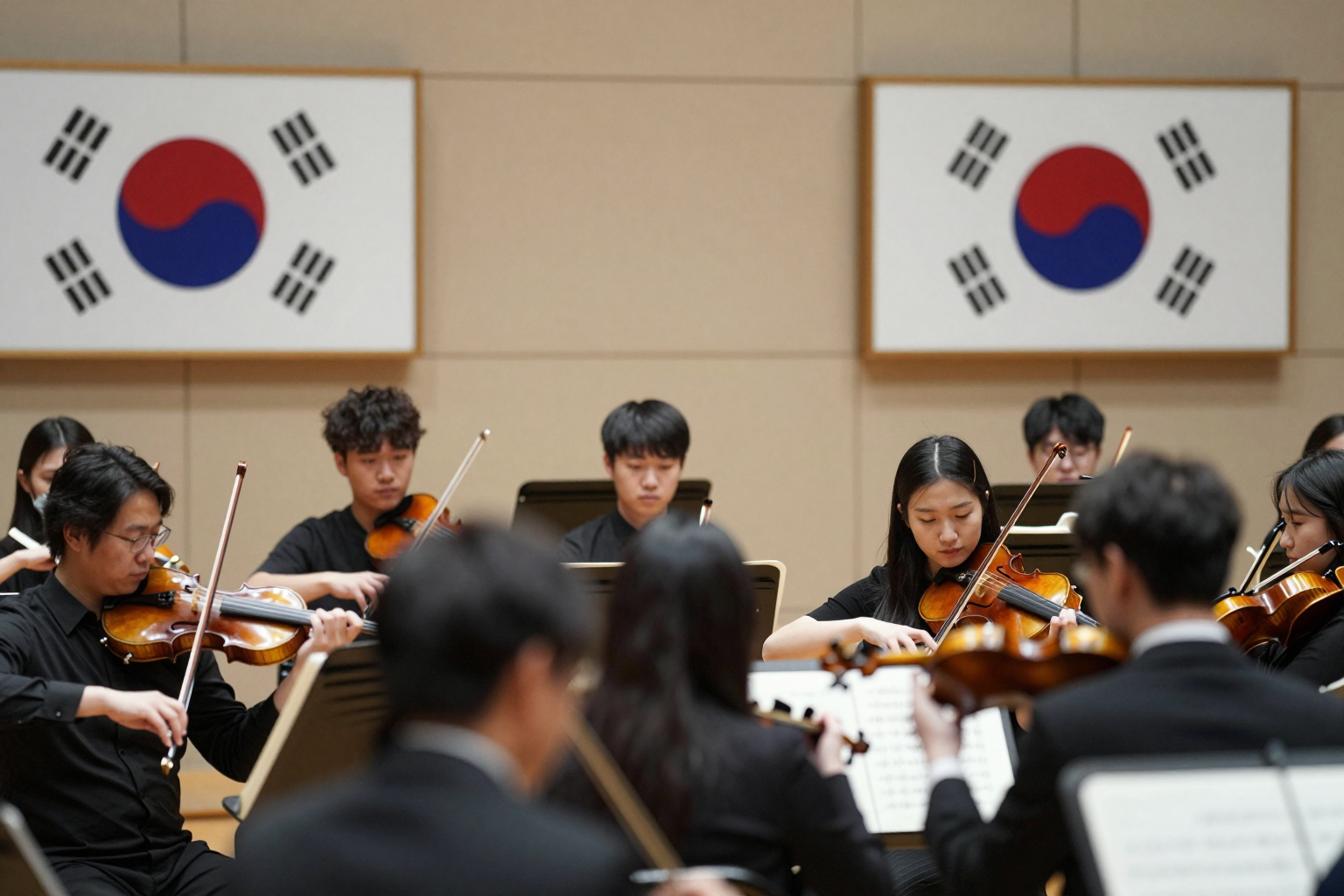
AI-Generated Photorealistic Image — All people, scenes, and details in this image are entirely AI-generated and fictional. Not a real photograph of an actual person or event. 이 이미지는 AI로 생성된 가상 이미지입니다.
Leave a Reply