Table of Contents
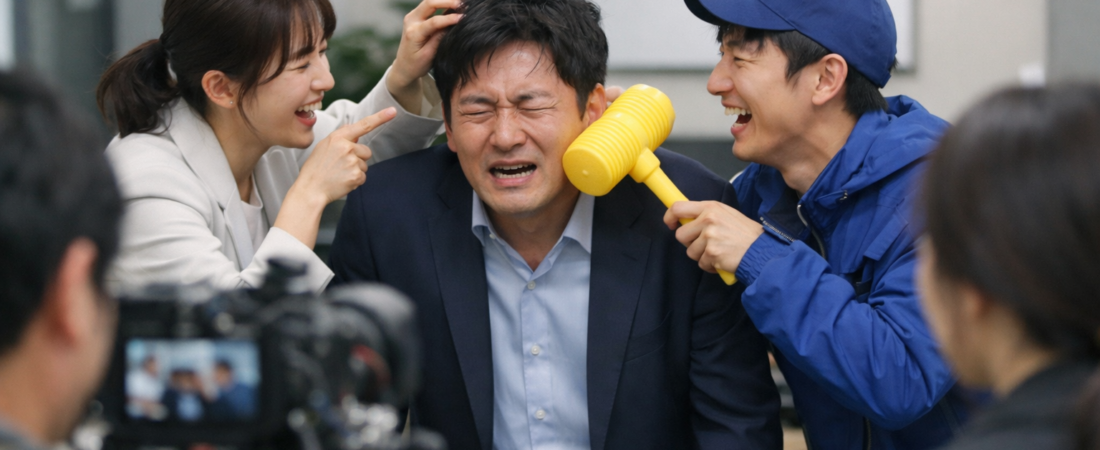
What happens when a bad guy meets someone even worse? Korean television just found the answer, and audiences can’t stop watching. A wave of comic drama is sweeping through Korean screens and stages, pairing greedy villains with even greedier ones for laughs.
You’ve probably noticed it yourself if you follow Korean shows. A gangster hunting for a massive apartment repair fund, a chairman bribing his way out of a hit-and-run, a scheming court lady from the Joseon era — these aren’t just villains anymore. They’re punchlines.
What Exactly Is Korea’s Comic Drama Boom?
Comic drama, in this context, means a story built around villains who become funnier the worse they get. Instead of one clear antagonist, these shows stack up layers of bad behavior.
Each layer tops the last, and the comedy comes from watching schemers get outsmarted by even bigger schemers. Take JTBC’s hit drama Apartment, for example.
Its lead character, Park Hae-gang, played by actor Ji Sung, needs 10 billion won to pay a bribe. His solution? Raid his apartment complex’s long-term facility repair reserve fund — money meant for fixing leaky roofs and aging elevators, not funding corruption.
It’s absurd, and that’s exactly the point. Audiences laugh because the scheme feels both outrageous and oddly familiar, given how often reserve fund mismanagement makes real Korean headlines.
This is comic drama at its sharpest: real anxieties turned into dark comedy. Other current productions follow the same playbook.
One popular drama features a company chairman who simply pays his way out of a hit-and-run accident, treating justice as just another expense. A stage production called Wonderful New World brings back a fictional Joseon-era villainess, a woman who claws her way toward power through manipulation and cunning.
Placed next to modern political operators, her scheming suddenly feels timeless rather than historical.
Villains Getting Worse: The Comic Drama Formula
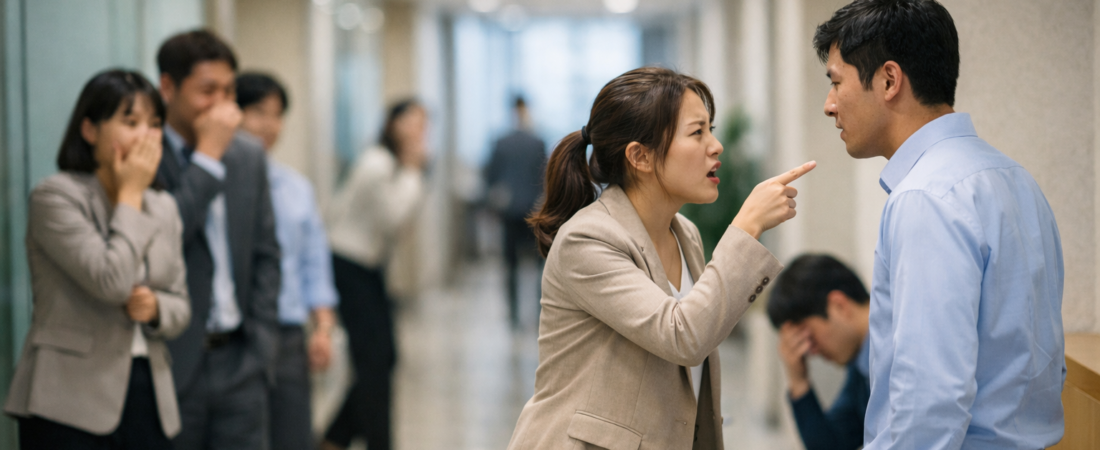
So what makes this formula work so well? The trick lies in comparison. A villain alone can feel threatening or even depressing to watch.
But a villain standing next to someone worse suddenly looks almost relatable. Suddenly, our original “bad guy” is the closest thing to a hero in the room, and that shift creates comedy through relief.
Think about it this way: have you ever felt oddly comforted watching two annoying coworkers argue with each other instead of you? Comic drama runs on that exact same psychological trick, just with higher stakes and better writing.
The structure also lets writers comment on real power without getting too heavy-handed. A corrupt police officer who’s somehow less corrupt than the gangster he’s chasing isn’t just a punchline.
He’s a quiet jab at institutions many Koreans already view with skepticism. Comic drama, according to Kyunghyang Shinmun, has increasingly leaned on this “worse guy next door” structure precisely because it lets social criticism slide in under the cover of laughter.
That’s a clever move by producers, and it explains why so many recent hits share this same DNA. Viewers get to laugh at corruption instead of just feeling angry about it, which turns out to be a more sustainable way to keep watching week after week.
Why Comic Drama Resonates With Korean Audiences
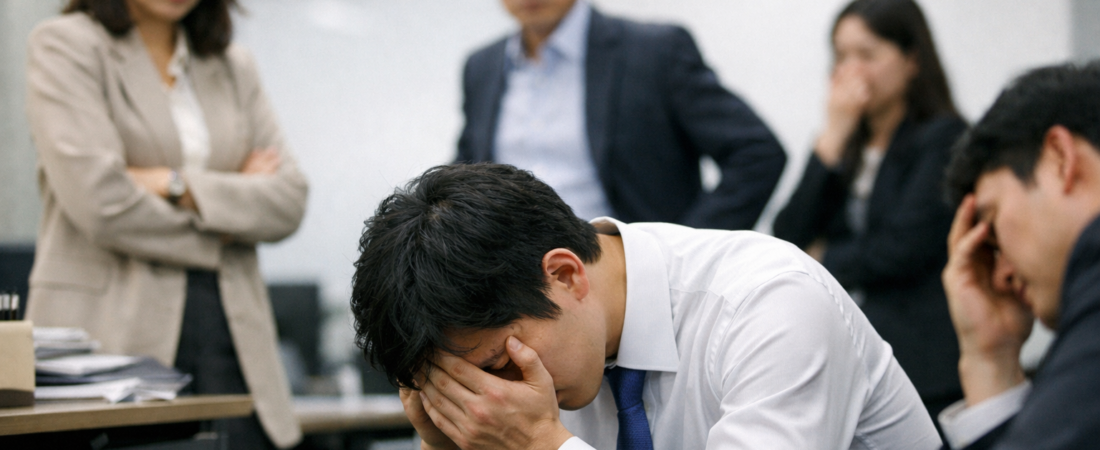
None of this is entirely new, by the way. Korean storytelling has a long history of pairing satire with sharp social commentary.
Traditional mask dance dramas, known as talchum, mocked corrupt aristocrats and Buddhist monks centuries before modern television existed. Pansori performances often layered humor over tragedy, letting audiences laugh through pain rather than around it.
Comic drama today is simply this same tradition wearing a new costume. What’s changed is the scale of the targets.
Where talchum mocked local landlords, today’s comic drama takes aim at apartment management committees, corporate boardrooms, and political power structures. That shift makes sense given how central these institutions have become to everyday Korean life.
Apartment reserve funds, in particular, hit close to home for millions of Korean residents who live in high-rise complexes. Many viewers have personally sat through contentious residents’ association meetings, so watching a fictional gangster try the same tricks feels less like fantasy and more like a slightly exaggerated Tuesday.
(Somewhere, a real building manager is probably watching Apartment and nodding a little too knowingly.) This familiarity is exactly why comic drama spreads so fast through word of mouth and social media clips.
The Hidden Risk Inside Comic Drama’s Popularity
But here’s the harder question worth asking. At what point does laughing at a villain start to look like admiring him?
Critics have started raising real concerns about “villain glorification” as comic drama pushes its bad characters further each season. When audiences cheer for a slick, funny gangster, are they rooting against corruption, or quietly rooting for the smoothest operator in the room?
That line can blur fast, and writers know it. This growing unease deserves honest attention rather than a quick dismissal.
There’s something genuinely worth examining in how comfortable audiences have become with charming villains who never really pay for their actions. At the same time, comedy has always served as one of the safest ways for people to process uncomfortable truths about power, greed, and institutional failure without becoming numb to them.
The best comic drama doesn’t ask viewers to admire its villains; it asks them to recognize the absurdity of a system that lets such people thrive in the first place. That recognition, delivered through laughter, can plant seeds of accountability rather than apathy, especially when shows eventually let consequences catch up to their characters.
Korean audiences seem to sense this balance already, since the most beloved comic drama titles still end with some form of justice, however delayed or imperfect. Writers and producers who keep that thread intact, rather than chasing ever-flashier villains for shock value, will likely be the ones who keep this genre honest as it grows.
Comic drama isn’t going away anytime soon, given how well it performs in ratings and ticket sales. Future scripts will probably keep raising the stakes, introducing even sharper villain pairings to hold restless audience attention.
The real test will be whether writers can keep sharpening the satire without losing its moral center. Can Korean comic drama stay clever without becoming careless about what it celebrates?
What do you think — does laughing at Korea’s worst characters help audiences see corruption more clearly, or does it risk making bad behavior look a little too fun?
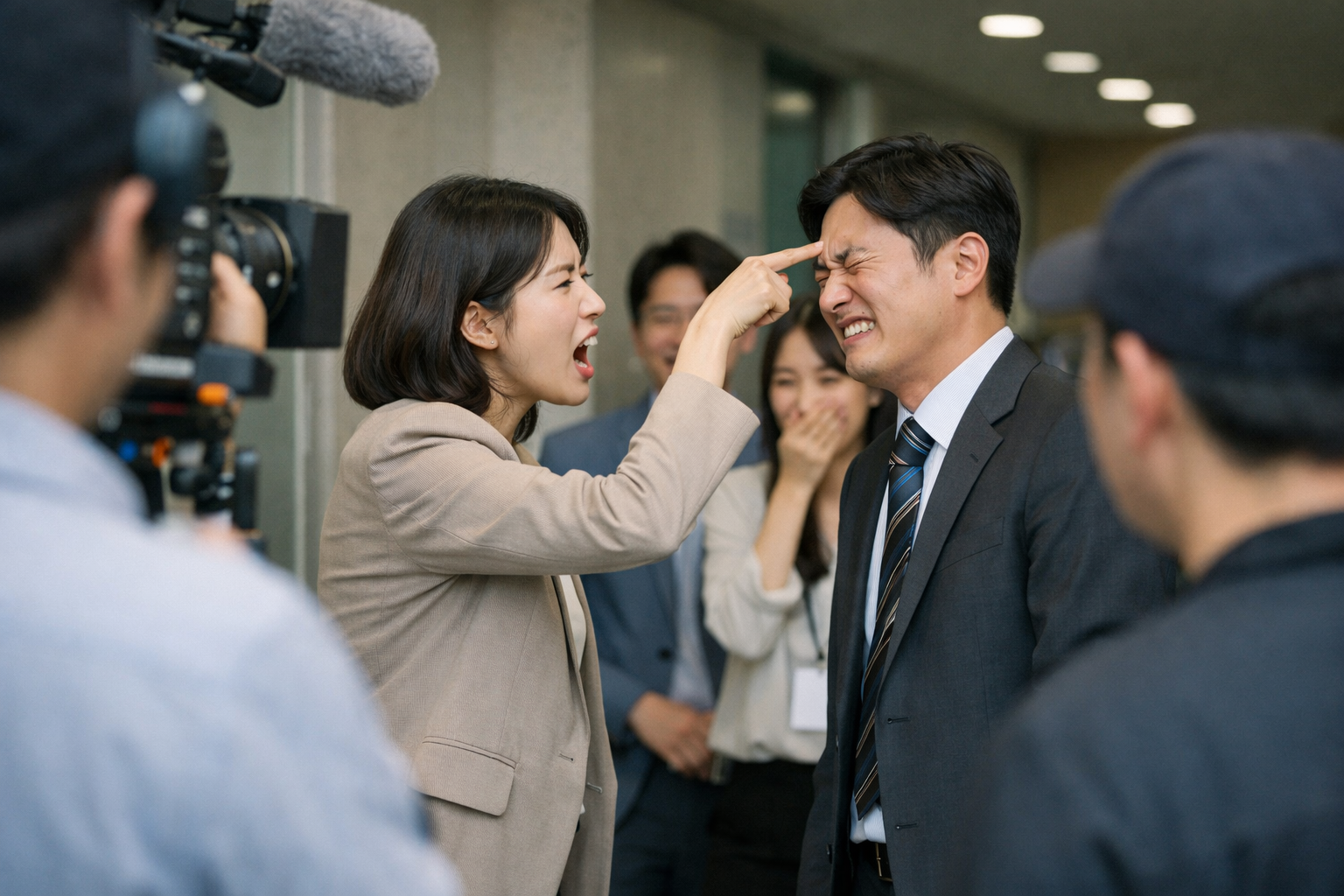
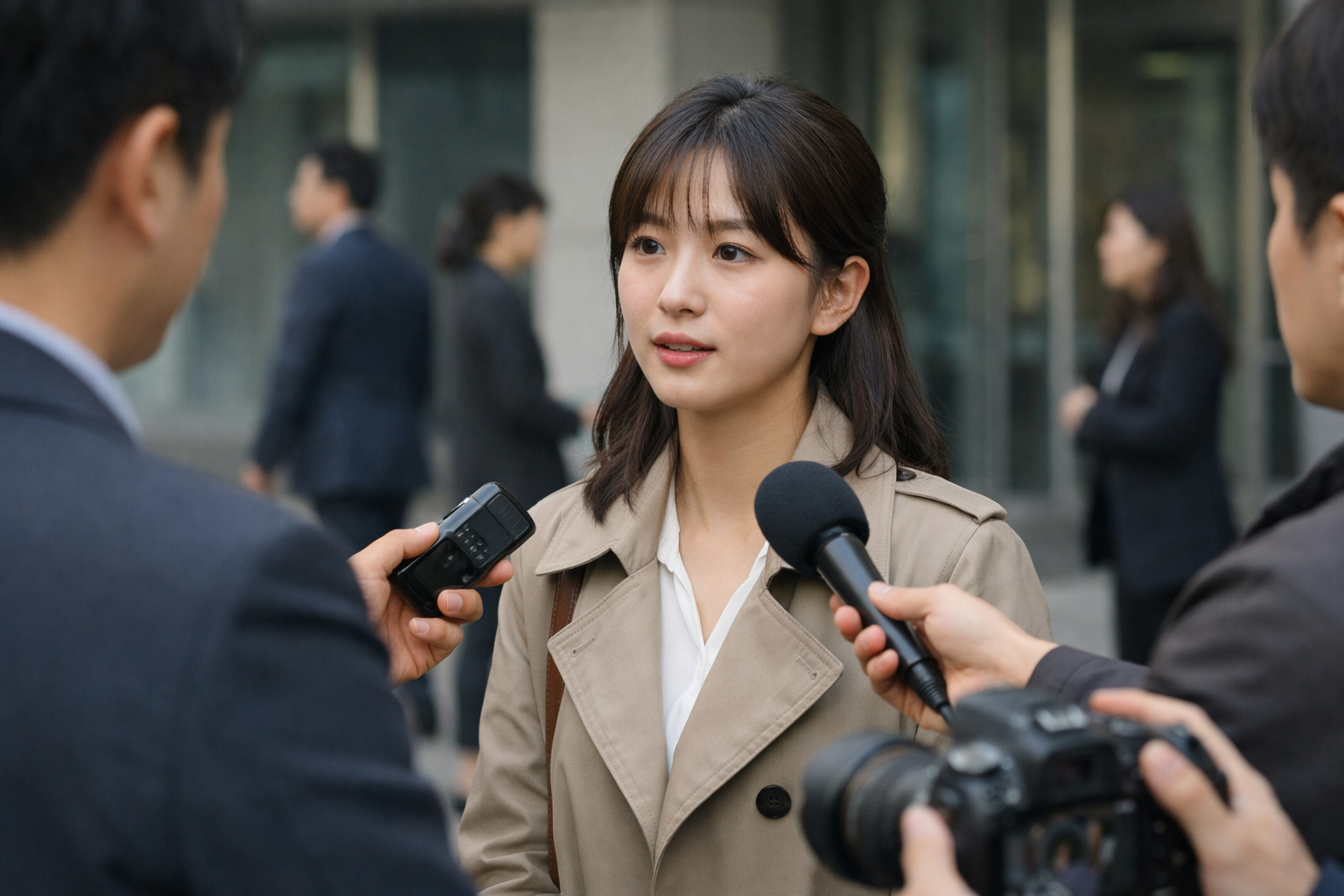
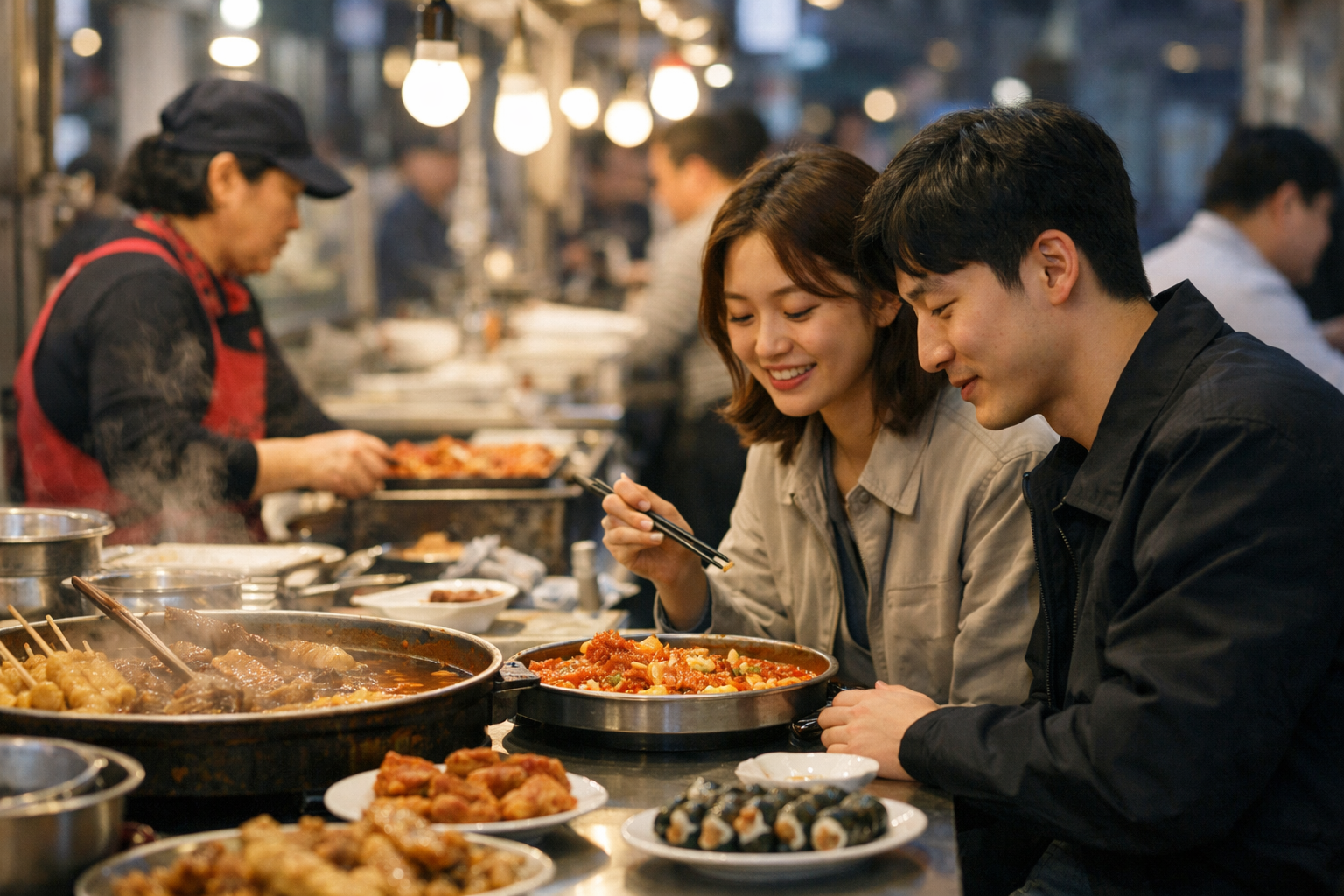
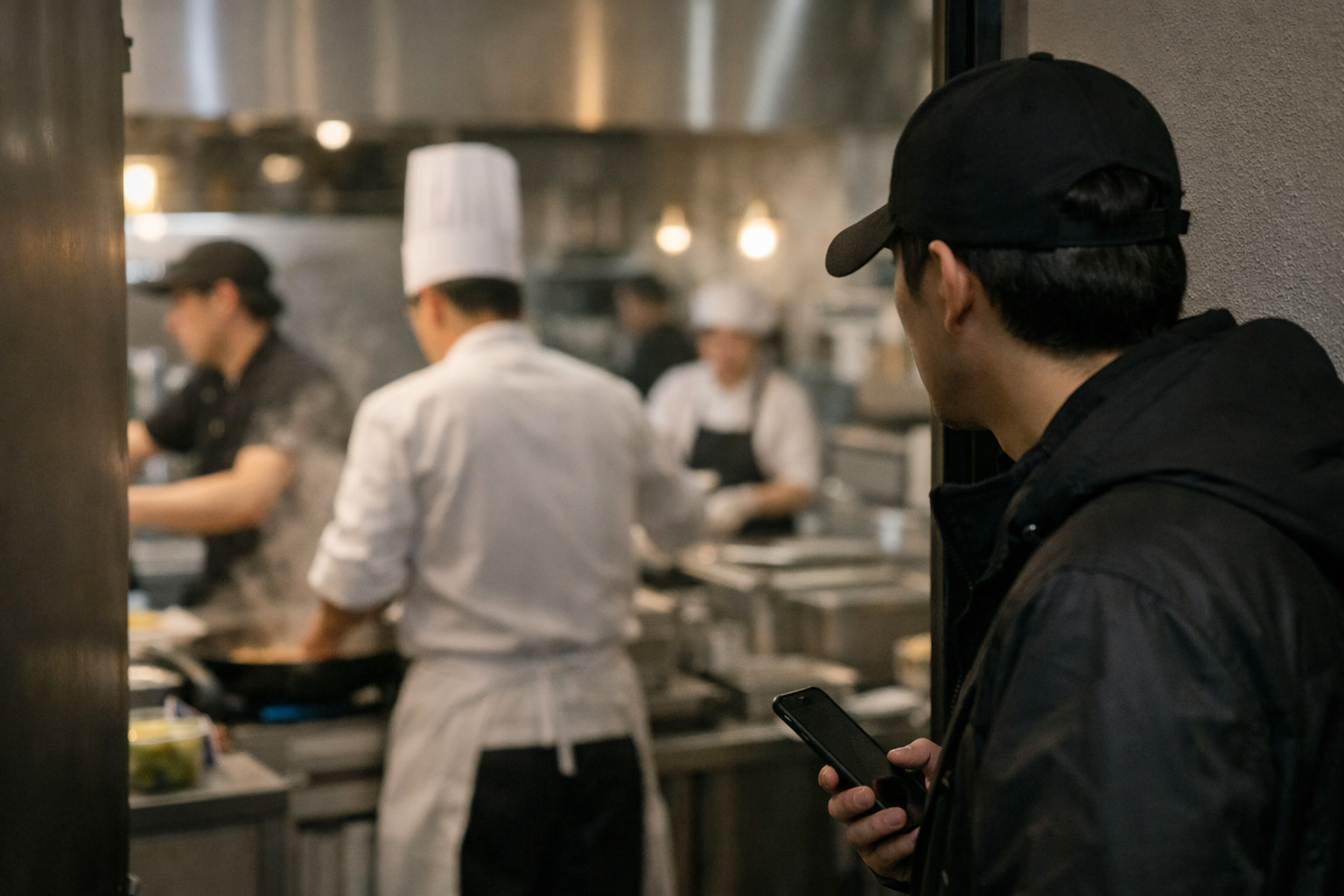
AI-Generated Photorealistic Image — All people, scenes, and details in this image are entirely AI-generated and fictional. Not a real photograph of an actual person or event. 이 이미지는 AI로 생성된 가상 이미지입니다.
Leave a Reply