Table of Contents
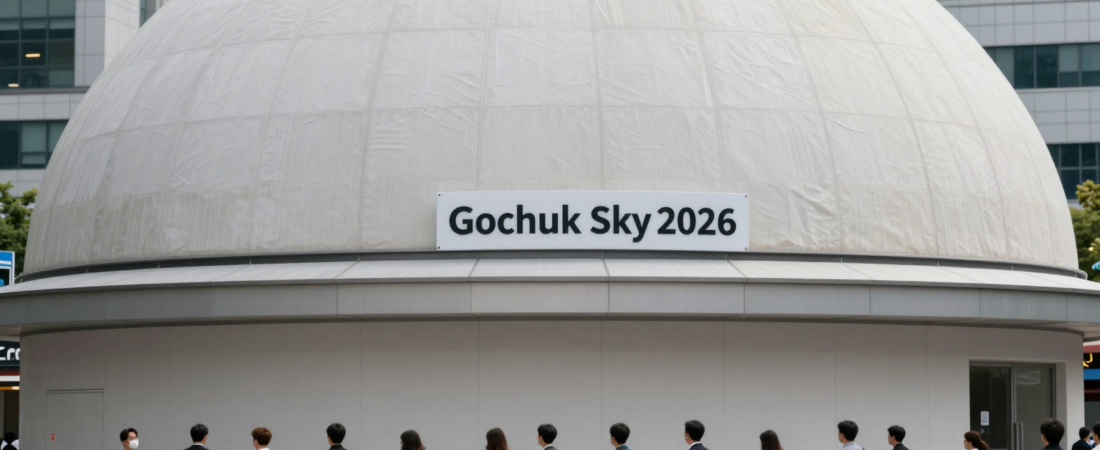
Thirty international students from Sungkyunkwan University visited Gochuk Sky Dome on September 1. The Seoul Metropolitan Government organized the visit to introduce foreign students to Korean baseball culture and local landmarks in Guro District.
Why would a city government care about students watching a stadium tour? Because sports, more than almost anything else, teach outsiders how a culture actually behaves.
Textbooks explain history. A ballpark shows you how people cheer, eat, and bond in real time.
A Baseball Field Becomes a Classroom
The program brought students directly into Gochuk Sky Dome, letting them walk through the facility rather than just hear about it. They observed how fans organize cheering sections, how food and seating work, and how the stadium itself operates as a dome.
This wasn’t a lecture. It was hands-on exposure to a space Koreans consider a genuine “Guro landmark.”
For students far from home, that kind of direct experience often sticks longer than any classroom slide ever could.
Seoul city officials designed the event with a clear goal in mind. They wanted foreign students to understand Korean sports culture while also learning about a specific neighborhood they might otherwise never visit.
Guro District doesn’t always make it onto a tourist’s must-see list. Gochuk Sky Dome changes that calculation for anyone curious about how Koreans actually spend a Saturday afternoon.
Why Gochuk Sky Dome Matters
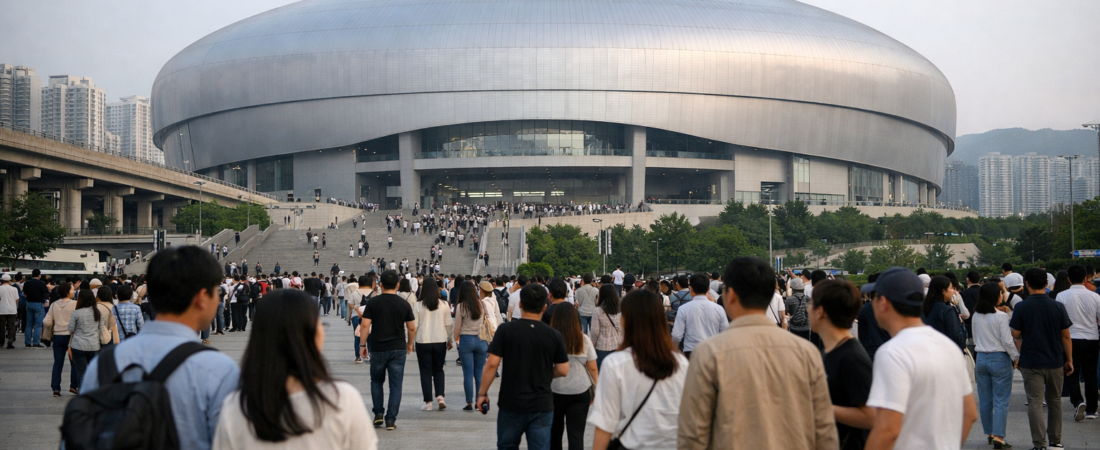
Gochuk Sky Dome holds a special place in Korean sports infrastructure. It stands as one of the country’s few fully enclosed baseball stadiums, letting games continue rain or shine.
That matters more than it sounds. Korea’s summer monsoon season can wash out an entire week of outdoor games, so a domed stadium keeps the schedule — and the fan experience — intact.
For visiting students, Gochuk Sky Dome offered something rare: a fully controlled environment to observe Korean baseball culture without weather interruptions. You get the roaring crowd, the synchronized chants, and the stadium food, all without checking a forecast first.
Is that a small detail? Maybe. But it’s exactly the kind of practical, everyday design choice that reveals how a country solves problems.
Gochuk Sky Dome isn’t just a stadium — it’s a case study in urban planning meeting popular culture. Readers curious about the venue’s broader role in Korean sports can find additional background through Yonhap News Agency.
Baseball Culture as a Cultural Bridge
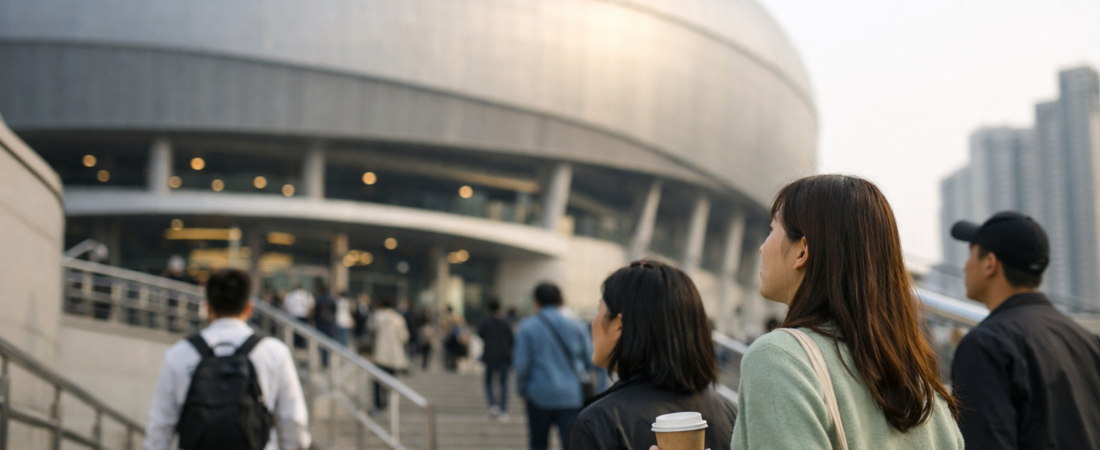
Korean baseball games look different from what many Western fans expect. Cheerleaders lead coordinated chants for nine innings straight, and entire sections sing player-specific songs in unison.
Imagine a Western football tailgate, but organized like a chorus rehearsal — that’s roughly the energy inside a KBO stadium. For international students, that atmosphere can feel overwhelming and thrilling at once.
This is precisely why Gochuk Sky Dome works so well as a cultural entry point. Baseball in Korea isn’t just a sport; it’s a shared social ritual built around food, noise, and community.
Students who experience this firsthand start to understand something textbooks rarely capture. Korean group identity often expresses itself loudest in leisure spaces, not formal ones.
That said, this kind of communal enthusiasm carries its own quiet tension. The same collective energy that makes Korean stadiums so electric can also feel exclusionary if you don’t already know the chants or the rhythm.
Belonging in Korea often works this way — warm and inviting once you’re inside the circle, but requiring real effort to enter it in the first place. Programs like this one at Gochuk Sky Dome matter precisely because they lower that barrier, giving newcomers a guided way in rather than leaving them to figure it out alone.
What This Means for Seoul’s Global Outreach
Seoul hosts a growing number of international students every year, and city planners increasingly see cultural programming as essential infrastructure. Events like the Gochuk Sky Dome tour cost relatively little to organize but generate lasting goodwill.
A student who tours a stadium once may become a lifelong ambassador for Korean culture back home. That’s a return on investment most marketing campaigns can’t match.
Will this kind of program expand to other cities and other landmarks? It seems likely, given how directly it serves Seoul’s broader goal of positioning itself as a globally welcoming capital.
Gochuk Sky Dome, in this sense, becomes more than a sports venue. It becomes a soft-power tool, showing visiting students that Korean identity lives as much in its stadiums as in its palaces.
What do you think — should more cities build cultural programs around everyday spaces like sports stadiums, rather than just historical sites?
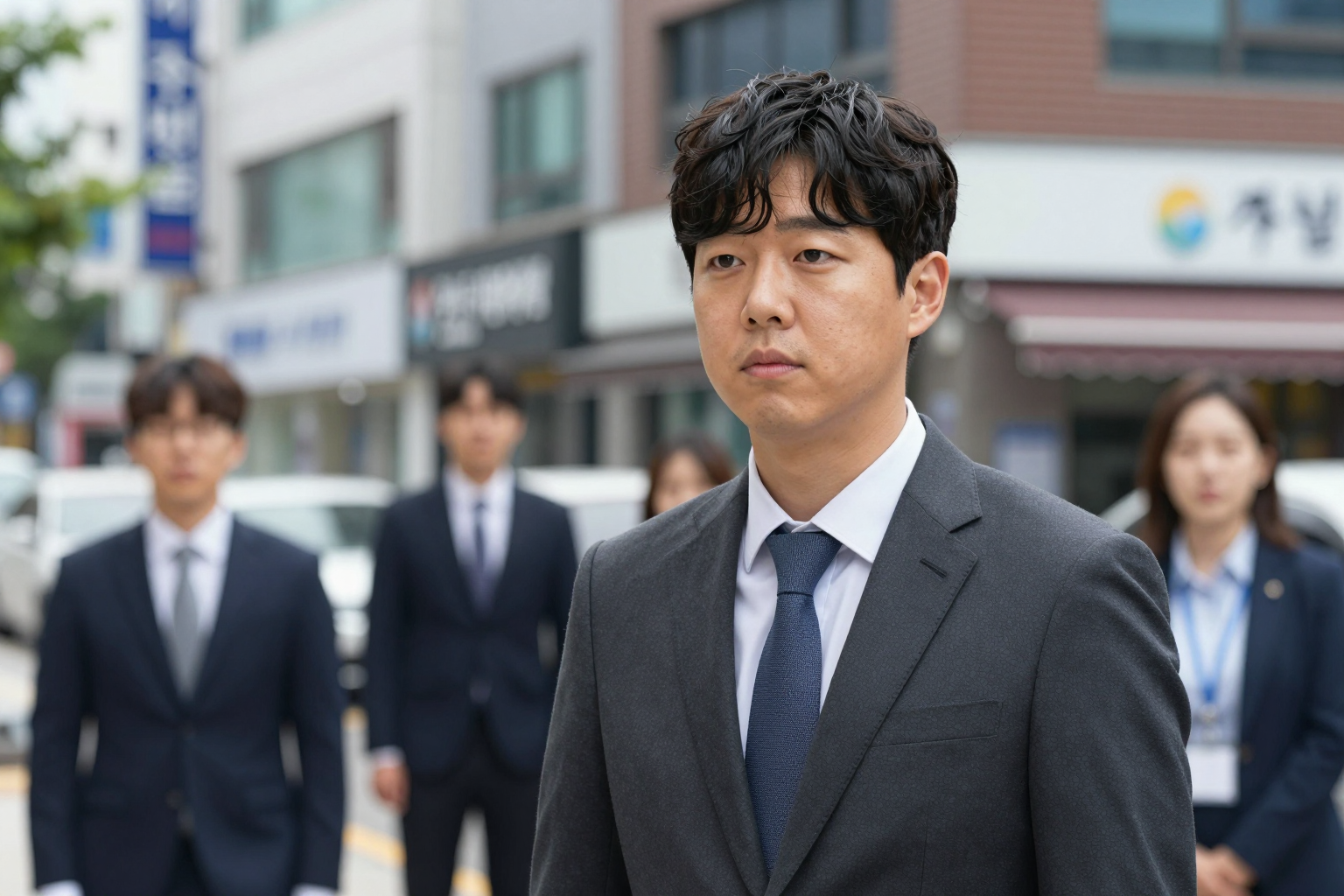
AI-Generated Photorealistic Image — All people, scenes, and details in this image are entirely AI-generated and fictional. Not a real photograph of an actual person or event. 이 이미지는 AI로 생성된 가상 이미지입니다.


Leave a Reply