Table of Contents
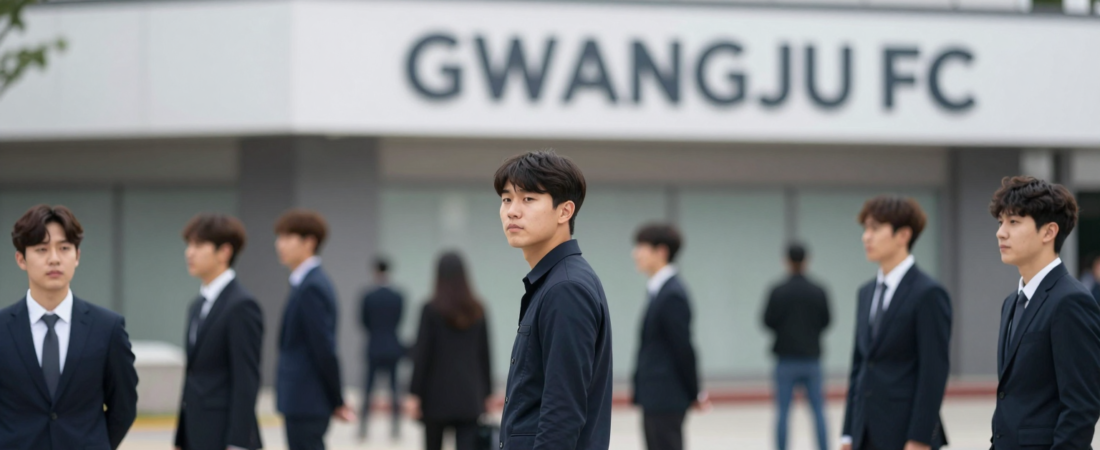
Can a professional soccer team change someone’s life without ever kicking a ball? For a group of players from Gwangju FC, the answer is yes. On their way home from an away match, they turned into first responders on a smoking highway.
This is not a story about goals or standings. It is a story about instinct, courage, and what happens when athletes see someone in danger. Gwangju FC has now become known for something far more meaningful than a match result.
A Fire, a Highway, and a Split-Second Decision
Picture this scene for a moment. A team bus, or perhaps a group of players’ vehicles, is heading back after an away game.
Suddenly, a traffic accident occurs nearby, and flames begin rising from a damaged car. Most drivers would slow down, stare, and keep moving.
Instead, several Gwangju FC players stopped their vehicles and rushed toward the burning car. They pulled the trapped driver to safety before the fire could spread further or the situation could turn fatal.
Fire officials later confirmed the driver survived largely because of how quickly these players acted. Every second counts in a vehicle fire, and hesitation can be deadly.
That’s exactly why local fire authorities in Gwangju decided to formally honor them. The players received an official commendation from the fire department, recognizing their bravery and their fast, coordinated response.
You have to wonder: how many of us would have done the same thing? It’s easy to imagine ourselves as heroes from a comfortable distance. These players proved it in real time, on a real highway, with real flames.
Who Are Gwangju FC and Why This Matters
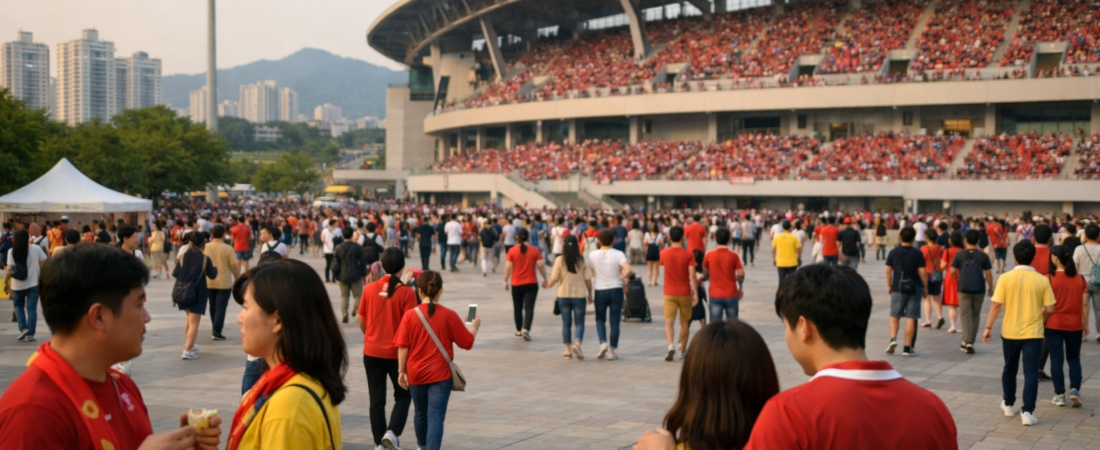
Gwangju FC competes in K League 1, South Korea’s top professional soccer division. The club represents the city of Gwangju, a major metropolitan area in the country’s southwest known for its history of civic courage and community spirit.
Gwangju holds a special place in modern Korean history. The city is closely associated with the 1980 Gwangju Uprising, a pivotal moment when ordinary citizens stood up for democracy at great personal risk.
That legacy of civic bravery still echoes through the city’s identity today. So when Gwangju FC players risk their own safety to save a stranger, it resonates with something deeper in the local culture.
It’s not just a nice headline. It connects to a broader tradition of ordinary people stepping up when it matters most.
For readers outside Korea, K League clubs often serve as more than sports franchises. They function as community anchors, representing local pride and identity in ways similar to how smaller European clubs connect with their towns.
Gwangju FC’s players are, in a very real sense, extensions of their city’s values. Their act of rescue fits naturally into that larger picture.
Heroes Off the Pitch: Analyzing the Gwangju FC Rescue
Why does a soccer club’s off-field heroism spread so fast on social media and in local news? Part of the answer lies in contrast. We expect athletes to perform under pressure on the field, not necessarily in a life-or-death emergency on a highway.
When Gwangju FC players showed the same composure outside their sport, it caught public attention immediately. According to Yonhap News Agency, fire officials specifically praised the players’ calm coordination during the rescue.
They didn’t panic, and they didn’t wait for someone else to act first. That combination of composure and quick physical action mirrors the split-second decision-making athletes train for daily.
Professional soccer demands constant awareness, fast reflexes, and teamwork under stress. It turns out those same skills translate well into a real emergency.
Is that a coincidence, or does elite training actually shape how people respond in a crisis? It’s a fair question worth asking. Athletes spend years developing quick reactions and trust in teammates, and this rescue suggests that discipline extends beyond the pitch.
Gwangju FC’s players didn’t need a whistle or a coach’s instruction. They simply acted, together, and that instinct likely saved a life.
What This Says About Sports and Community
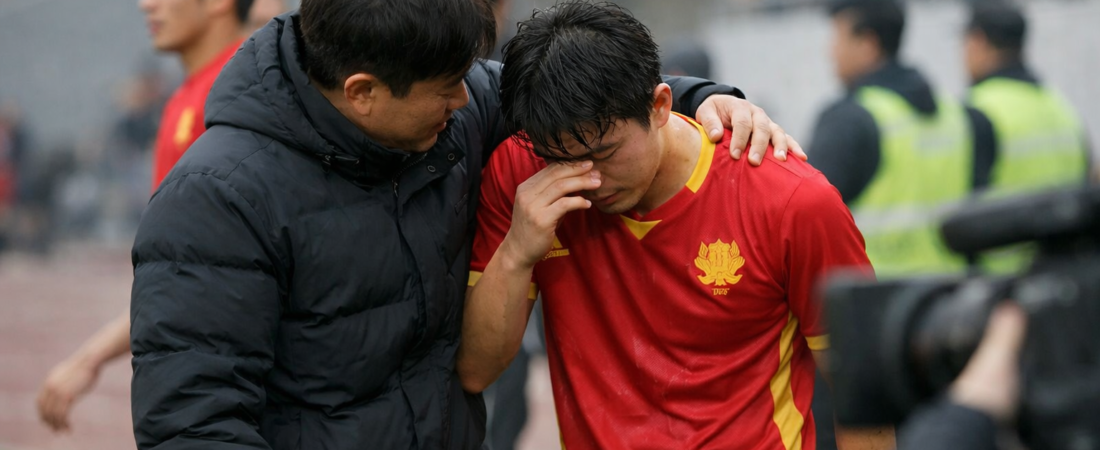
Stories like this remind us that professional athletes live within the same communities as everyone else. They shop at the same markets, drive the same highways, and encounter the same emergencies as ordinary citizens.
Sometimes that shared reality produces extraordinary moments. Gwangju FC’s players happened to be in the right place, with the right instincts, at the right time.
It’s worth pausing here to think about what this really represents. Individual bravery is genuinely inspiring, but it also raises a fair question: should safety depend on who happens to be passing by?
Vehicle fires and highway accidents are unpredictable, and not every driver in danger will be lucky enough to have trained athletes nearby. That’s the honest, harder side of this story.
At the same time, recognition from the fire department signals something encouraging. It shows that communities notice and reward this kind of courage, which in turn can inspire others to act rather than simply film and scroll.
Every act of bravery, even one unlikely to repeat exactly this way, adds to a culture where stepping in feels normal rather than exceptional. Gwangju FC’s players didn’t set out to become symbols of anything larger than a rescue.
Yet their choice in that moment says something quietly hopeful about people in general. Most of us will never face a burning car on a highway, but we all face smaller moments where courage or hesitation makes a difference.
Looking Ahead for Gwangju FC and Its Fans
Gwangju FC will keep playing matches, chasing points, and competing in K League 1 as usual. But this fire department commendation adds a new layer to how fans and the wider Korean soccer world see the club.
Reputation in sports isn’t only built through trophies. Sometimes it’s built through moments no one planned for, moments that reveal genuine character under pressure.
(And let’s be honest, this is one match report where the players didn’t even need to score to become the story of the week.) Gwangju FC has quietly reminded everyone that a soccer jersey doesn’t stop mattering once the final whistle blows.
What do you think about athletes stepping into real-world emergencies like this? Would you want to see more clubs formally trained for situations beyond the game itself?
AI-Generated Photorealistic Image — All people, scenes, and details in this image are entirely AI-generated and fictional. Not a real photograph of an actual person or event. 이 이미지는 AI로 생성된 가상 이미지입니다.



Leave a Reply