
Two Korean Family Films Break the Formula
Gyeongju Travelogue and Bee Gwang hit Korean theaters one week apart, blending crime thrillers and noir into family drama. Both films reject the usual warm-and-fuzzy family movie template. Instead, they mix genre tension with real domestic conflict.
Have you ever noticed how family movies tend to follow the same script? Someone fights, someone cries, everyone hugs by the final scene. Gyeongju Travelogue and Bee Gwang refuse that easy path, and that refusal is exactly what makes them worth your attention this season.
These two releases arrive as Korean cinema keeps experimenting with genre-blending. Family stories no longer need to stay soft to feel true. Gyeongju Travelogue proves that point with sharp, unexpected turns.
What Makes Gyeongju Travelogue Different
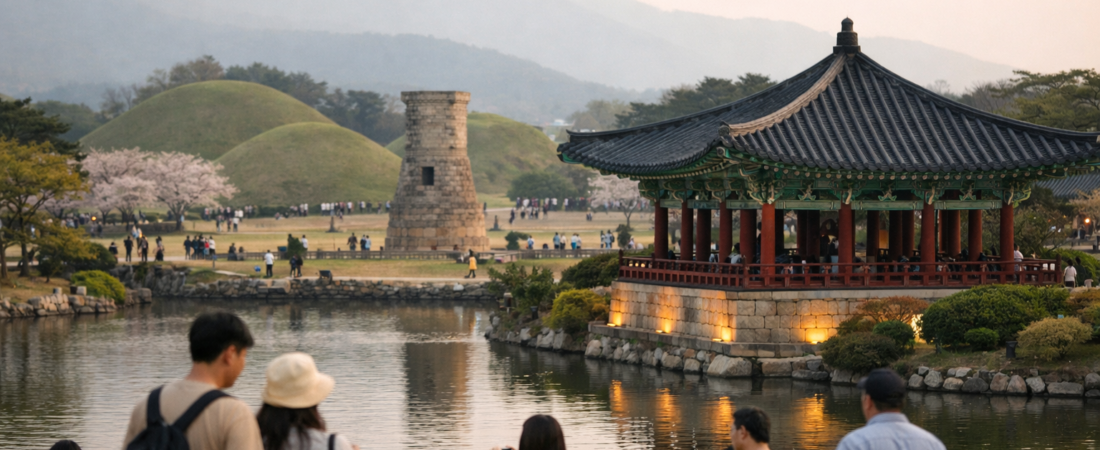
Gyeongju Travelogue follows four mothers and daughters who stage a family photo trip to Gyeongju, the ancient capital of the Silla Kingdom. But the trip is not what it seems. The women are actually building a crime alibi, turning a sentimental road trip into the backbone of a thriller.
Gyeongju itself carries deep symbolic weight here. Known as “the museum without walls,” Gyeongju is where centuries-old tombs sit beside modern cafes and city streets. Setting a crime plot inside this history-soaked backdrop creates a striking contrast between tradition and deception.
The film uses that contrast well. Family photos, usually a symbol of togetherness, become tools of concealment in Gyeongju Travelogue. Isn’t that a clever twist on what a “family memory” is supposed to mean?
Critics reviewing the film note that it never abandons emotional honesty, even while following thriller conventions. The mothers and daughters still argue, still misunderstand each other, still love each other imperfectly. Gyeongju Travelogue manages to be a crime story and an honest family portrait at the same time.
Bee Gwang and the Noir Family Story
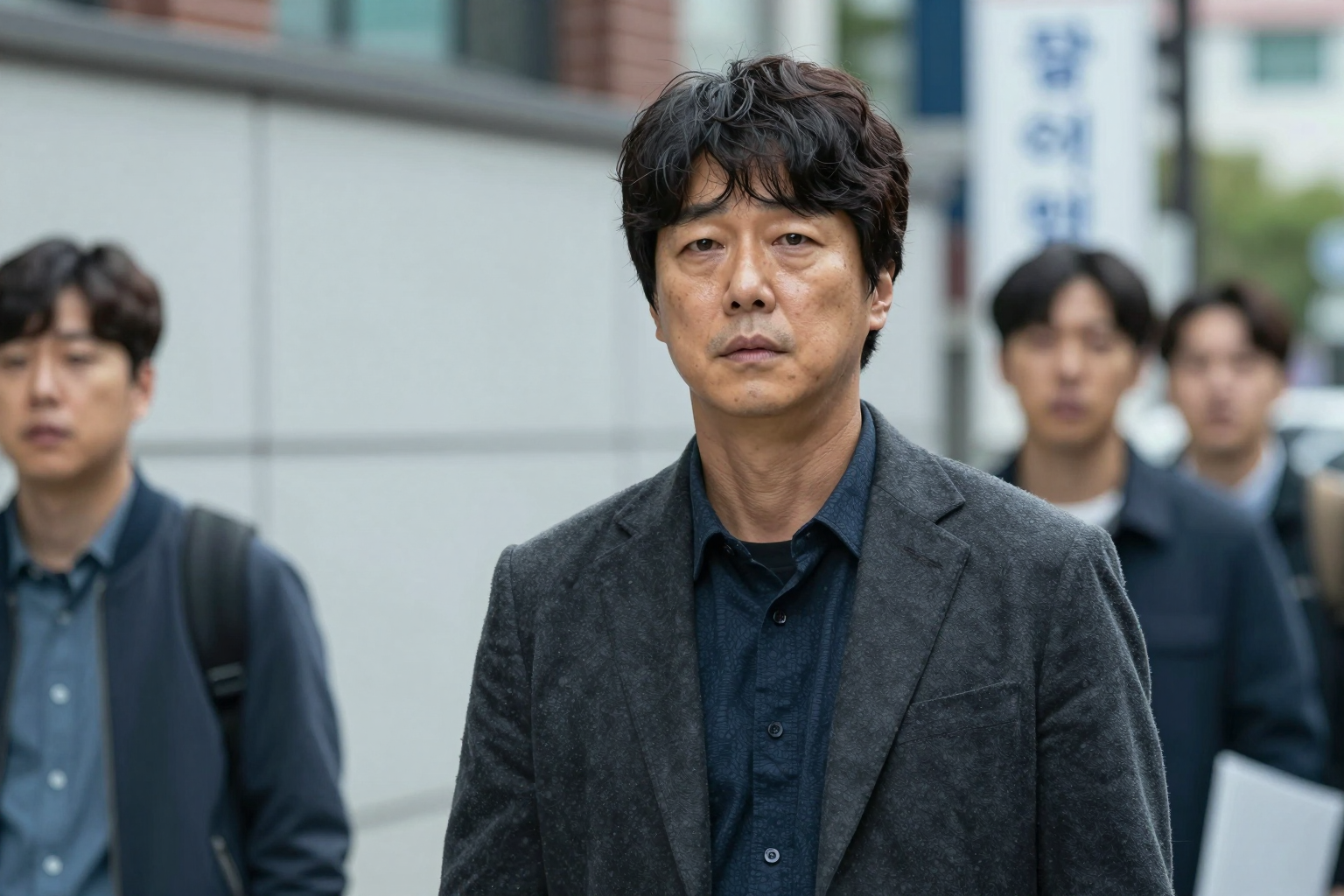
Bee Gwang takes a different route into similar territory, borrowing visual style and mood from film noir. Shadows, moral ambiguity, and quiet menace replace the bright tone typical of family films. Yet the story still centers on a household in crisis.
Why pair noir with family drama at all? Because family conflict, at its rawest, already has the ingredients noir thrives on — secrets, betrayal, and characters forced into difficult choices. Bee Gwang leans into that overlap rather than avoiding it.
This approach isn’t entirely new in Korean film history. Directors have long used genre mixing to say more honest things about family than straight melodrama allows. Bong Joon-ho’s Parasite is the most famous global example, blending comedy, thriller, and class critique inside one household story.
Bee Gwang doesn’t operate on that scale, but it shares the same instinct. Genre elements sharpen emotional truth instead of softening it. The result feels less like a family movie borrowing thriller tricks, and more like a thriller that happens to be about family.
Why Genre-Bending Family Films Matter in Korea
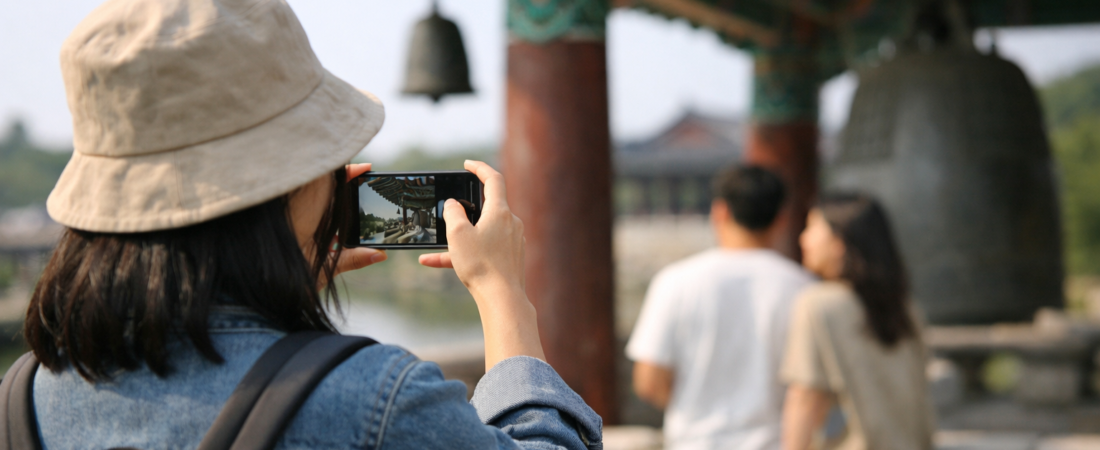
Korean cinema has a long tradition of testing genre boundaries, and these two films continue that trend. You might expect a “family film” to guarantee comfort, but Gyeongju Travelogue and Bee Gwang argue otherwise. They suggest that real family stories include crime, tension, and moral gray zones — not just reconciliation scenes.
This matters for how audiences understand modern Korean storytelling. Local outlets like Kyunghyang Shinmun have highlighted how both films resist the “warm family drama” label critics often apply too quickly. That resistance itself is a form of honesty about what families actually look like.
Korean families, like families everywhere, hold both closeness and friction inside the same relationships. The instinct to protect one another — as the mothers in Gyeongju Travelogue do, even through deception — comes from genuine love. But that same protective closeness can also blur into secrecy, pressure, or silence about real problems.
Neither film pretends family bonds are simple. Gyeongju Travelogue shows loyalty expressed through risky, even reckless choices. Bee Gwang shows how unspoken tension can sit quietly under the surface of ordinary domestic life, waiting to surface.
What both films offer, though, is not despair but recognition. Naming the difficulty of family life, rather than hiding it behind a soft lens, can actually bring people closer to honest healing. Gyeongju Travelogue and Bee Gwang suggest that acknowledging complexity is itself a form of care — a more mature kind of warmth than easy comfort provides.
Korean theaters have seen family films dominate box offices for decades, from tearjerker dramas to comedic ensemble pieces. This new wave, represented by Gyeongju Travelogue and Bee Gwang, signals a shift toward more layered storytelling. Audiences seem ready for it, too — ticket pre-sales suggest genuine curiosity about genre-blended family stories.
Where does this leave Korean family cinema going forward? Probably somewhere more interesting than the tearful reunion scenes of the past. Gyeongju Travelogue, in particular, shows that a road trip movie can hold both an alibi and an apology in the same frame — and audiences seem hungry for that kind of complexity.
So which appeals to you more: a crime thriller wrapped in family warmth, or a noir mood built around family secrets? Either way, Korean cinema seems to be arguing that real families were never simple stories to begin with.
AI-Generated Photorealistic Image — All people, scenes, and details in this image are entirely AI-generated and fictional. Not a real photograph of an actual person or event. 이 이미지는 AI로 생성된 가상 이미지입니다.
Leave a Reply