Table of Contents
Can a cultural wave keep rising forever? That question hangs over Hallyu right now, nearly 30 years after it began almost by accident. What started with one soap opera on Chinese television has grown into a global export machine — but every wave, eventually, has to break.
The Accidental Beginning of Hallyu
Hallyu is usually traced back to 1997. That year, Chinese state broadcaster CCTV aired the Korean drama “What is Love,” originally broadcast in Korea back in 1991-92. Nobody expected it to become a hit overseas, and yet it did.
That unlikely success is often credited as the true starting point of Hallyu. Think about that for a second — a modest domestic drama, several years old, sparked a cultural phenomenon that still shapes Korea’s global image today. Sometimes the biggest cultural shifts start with the smallest, most unplanned moments.
Korea in the late 1990s was still recovering from the Asian financial crisis. Few people inside the country imagined that entertainment would become a national growth engine. Yet Hallyu quietly laid the groundwork for what would eventually become one of Korea’s most recognized soft-power assets.
From Dramas to a Global Industry
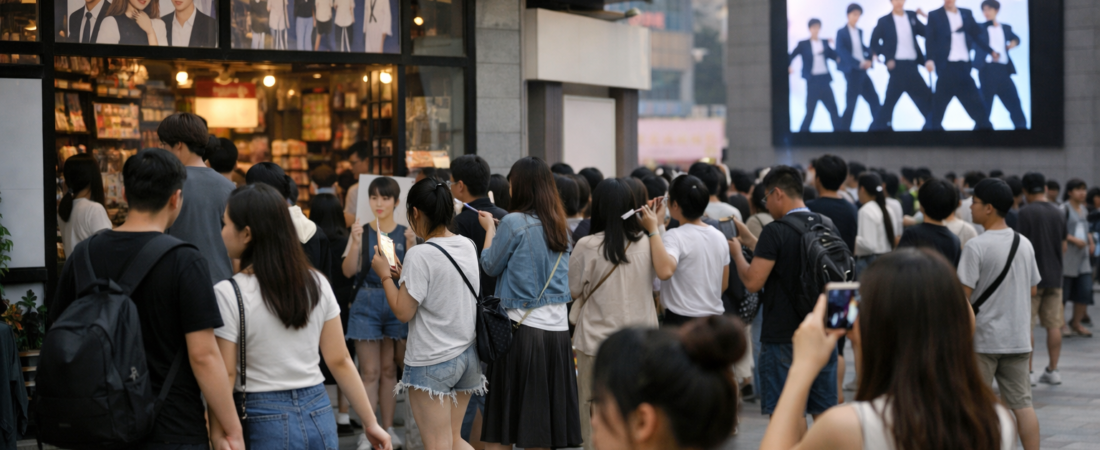
Almost three decades later, Hallyu looks nothing like its humble beginnings. It now spans dramas, K-pop, webtoons, and video games, each driving significant revenue and international attention. This growth did not stay contained within entertainment alone.
Tourism, beauty, food, and fashion have all ridden the same current. Foreign visitors now travel to Korea specifically to retrace drama filming locations or attend K-pop concerts. Korean skincare routines and Korean fried chicken have found fans who may never have watched a single Korean show — a tradition worth savoring, and apparently, worth franchising.
This spillover effect is exactly what economists mean when they describe soft power translating into hard revenue. Every K-pop tour stop fills hotels. Every hit drama fills flights to Seoul. According to Korea Herald, this interconnected growth is precisely why so many industries now track Hallyu’s health as closely as they track exchange rates.
But here’s a question worth sitting with: can an entertainment wave really sustain this kind of economic weight indefinitely? Culture is not oil or semiconductors. It depends on shifting tastes, unpredictable trends, and audiences who can move on overnight.
Has Hallyu Actually Peaked?
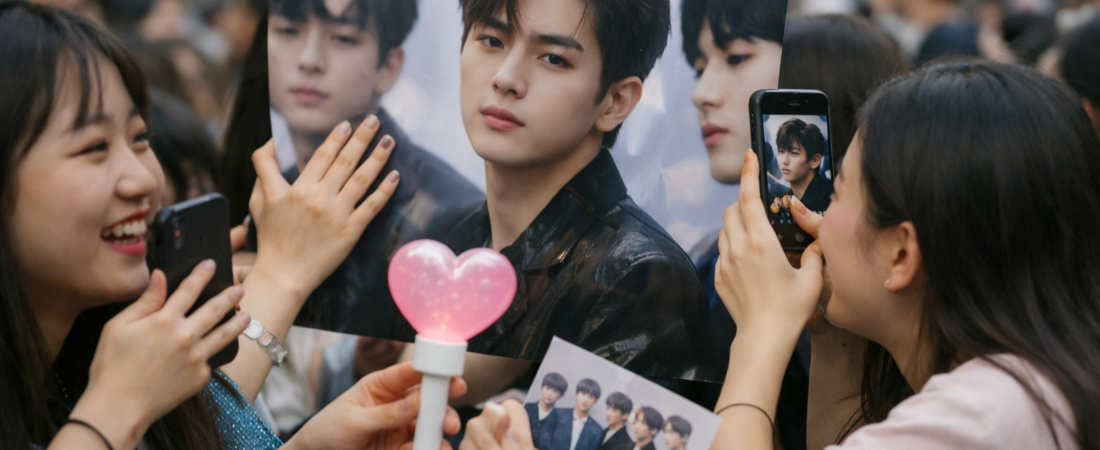
This is the uncomfortable question the industry now faces. After 30 years of near-constant expansion, some observers wonder if Hallyu has reached its ceiling. Is this really a peak, or just a pause before the next surge?
Every long boom eventually meets structural limits. Streaming platforms are more crowded than ever, and Korean content now competes directly with global rivals it once helped inspire. Even loyal international fans have more entertainment options competing for their limited attention span.
There is also a generational question inside Korea itself. Younger creators did not live through the early years of Hallyu, and they may define success differently than the industry veterans who built it. Whether that shift strengthens or weakens Hallyu’s global appeal remains genuinely unclear.
Still, “reckoning” does not have to mean decline. It can also mean maturity — an industry moving from explosive growth toward sustainable depth. Many cultural exports, from American jazz to Japanese anime, went through similar reckonings and came out more resilient, not weaker.
What Comes Next for Hallyu
So where does that leave Hallyu today? Perhaps the honest answer is that success brought its own pressure. An industry once celebrated for scrappy creativity now faces investor expectations, franchise demands, and the risk of formulas replacing genuine storytelling.
That tension is real, and it deserves honest acknowledgment rather than easy dismissal. But alongside that pressure, you can also see something hopeful — a new generation of Korean writers, musicians, and game designers experimenting outside the old playbook, refusing to simply repeat what worked before. The same industry maturity that risks flattening creativity is also what gives younger creators room to take bigger risks, precisely because Hallyu’s global credibility is already established.
There is something quietly human in this story, beyond the economics. A small drama nobody expected to matter ended up connecting millions of strangers across borders and generations. That kind of unplanned connection reminds us that culture, at its best, still carries a dignity beyond profit margins — even while the industry built around it inevitably chases growth, trends, and quarterly numbers.
What happens next likely depends less on any single hit drama or chart-topping group, and more on whether Korea’s creative industries can keep experimenting honestly. Hallyu did not grow because someone planned a 30-year strategy in 1997. It grew because audiences recognized something authentic, and that authenticity is worth protecting as the industry matures.
So, has Hallyu truly peaked, or is this simply the next chapter in a much longer story? What do you think Hallyu needs to do to stay meaningful for the next generation of global fans?
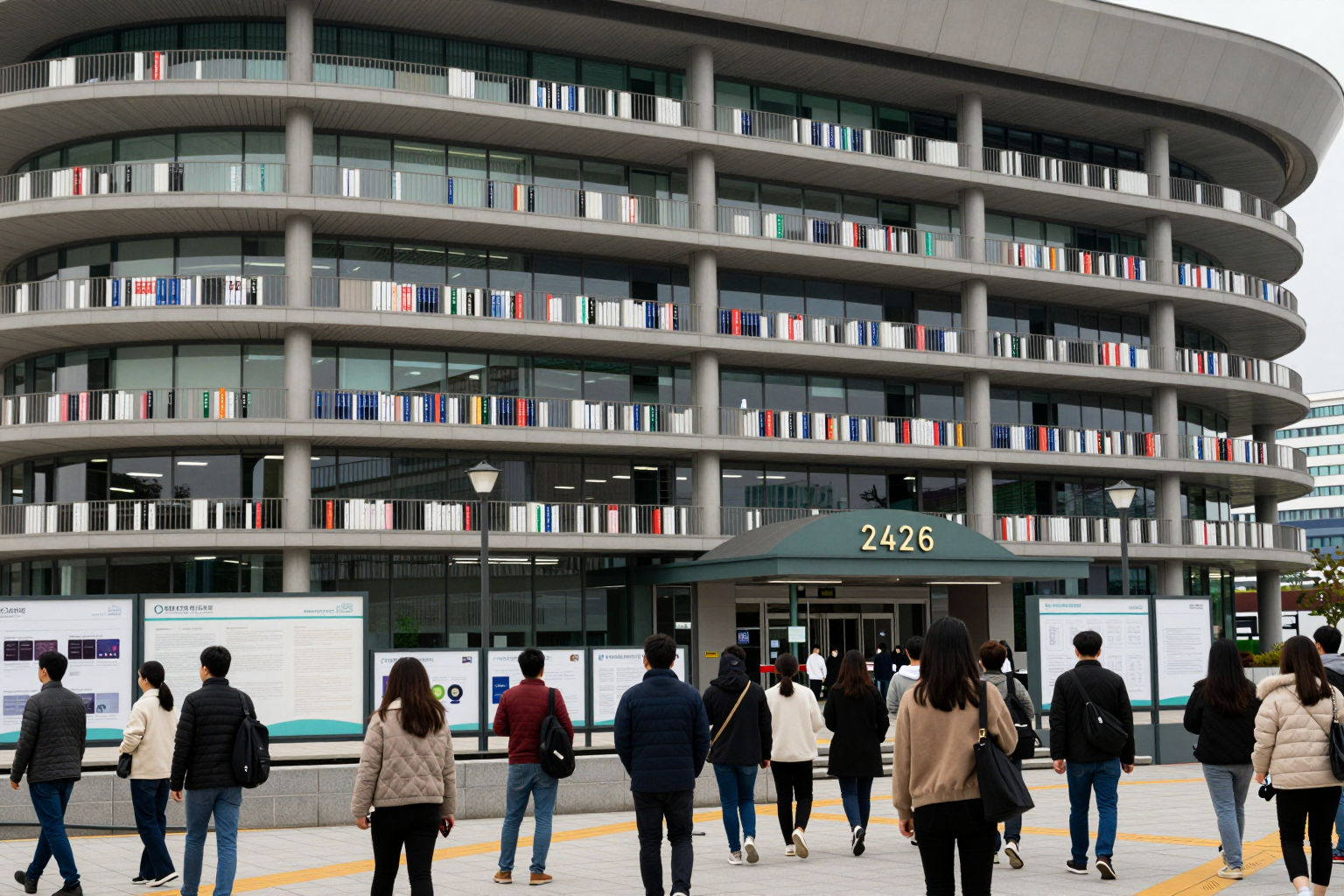
AI-Generated Photorealistic Image — All people, scenes, and details in this image are entirely AI-generated and fictional. Not a real photograph of an actual person or event. 이 이미지는 AI로 생성된 가상 이미지입니다.


Leave a Reply