Table of Contents
What happens when 1,400 employees from one company land in the same city, all at once? That’s not a hypothetical question anymore. It’s the reality behind Herbalife’s large-scale incentive trip to Seoul, and it says a lot about why Korea has become a magnet for corporate rewards travel.
Herbalife, the global nutrition supplement company, is sending 1,400 employees from its India division to Seoul for a six-day trip. This kind of trip is called an “incentive tour” — a company reward for top performers. Herbalife’s choice of Seoul offers a useful case study in how Korea competes for this growing travel niche.
What Is Corporate Incentive Tourism?
Incentive tourism is simple at its core. Companies reward high-performing employees or sales teams with an all-expenses-paid trip instead of a cash bonus.
Think of it as a company-wide vacation, but earned through performance. For direct-sales companies like Herbalife, whose business model depends on independent distributors hitting sales targets, these trips double as motivation tools and team-building events.
Why does this matter to you, even if you don’t work in sales? Because these trips bring huge groups of first-time visitors into cities like Seoul, shaping how a whole country gets introduced to thousands of new tourists at once.
A single Herbalife tour group can outnumber the passenger list of several commercial flights combined. That’s not a small ripple in the local tourism economy — it’s a wave.
Why Seoul Attracts Herbalife and Other Global Companies
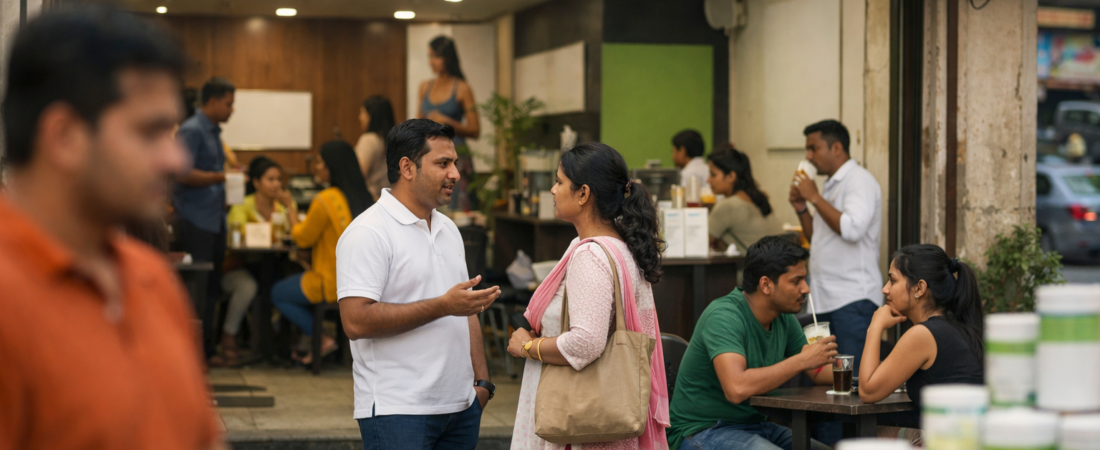
Seoul has quietly built a reputation as a top destination for large-scale reward trips. Why? The city offers a rare combination: modern conference facilities, dense hotel clusters, and a compact geography that makes moving 1,400 people manageable.
Compare that to spreading the same group across a sprawling city with poor public transit. Seoul’s subway system alone can move thousands of visitors efficiently between hotels, shopping districts, and cultural sites in a single afternoon.
There’s also the cultural pull factor. Korean pop culture, food, and beauty products have global recognition now, thanks to the Korean Wave (Hallyu).
Visitors don’t come to Seoul just to see a stage show — they come because they already feel connected to the culture through dramas, music, and skincare routines. For Herbalife’s India employees, Seoul isn’t a random reward destination. It’s a place many of them likely already wanted to visit.
This is the kind of tourism partnership local governments actively court. The Seoul city government has worked to attract these mass tour groups because the economic effect is immediate and concentrated — hotels, restaurants, shopping districts, and tour operators all benefit within a tight window. You can read more about Korea’s broader tourism promotion efforts through Yonhap News Agency.
How Cities Prepare for Mass Incentive Tours
Hosting 1,400 visitors from a single company takes serious logistical planning. Local tourism boards typically coordinate hotel blocks, transportation schedules, and even custom welcome events months in advance.
Seoul has experience here. The city has hosted other large incentive groups before, refining a playbook that includes dedicated shuttle buses, bilingual guides, and flexible itineraries that mix free time with organized excursions.
Is this kind of mass tourism always smooth? Not entirely.
Managing large groups means balancing efficiency with authenticity — nobody wants a trip that feels like a factory tour rather than a genuine cultural experience.
That tension is worth sitting with for a moment. The same scale that makes these trips profitable for local businesses can also make them feel rushed or impersonal for the travelers themselves.
But here’s the hopeful counterpart: Seoul’s tourism industry has increasingly shifted toward smaller group breakouts within large tours, letting visitors choose neighborhood walks, cooking classes, or market visits that feel personal rather than mass-produced. The goal isn’t just moving bodies through a schedule — it’s building a memory worth returning for.
What This Means for Future Travelers to Seoul
If you’re planning a trip to Seoul, incentive tour groups like Herbalife’s are a sign of something bigger. The city has proven it can handle large-scale visitor demand without losing its core appeal.
That’s reassuring if you’re worried about overcrowding ruining your own trip. Seoul’s infrastructure, from its subway to its hotel capacity, was built with volume in mind — partly because of trips exactly like this one.
(And no, you won’t need to share an elevator with 1,400 strangers — tour groups are usually split across multiple properties.)
For business travelers or company planners reading this, Herbalife’s example offers a template. Seoul provides walkable districts, strong safety records, and a cultural draw that keeps employees engaged beyond the conference room.
Looking ahead, expect more companies — not just from India, but across Asia and beyond — to consider Seoul for their own reward trips. The city’s mix of K-culture appeal and logistical readiness isn’t going away anytime soon.
So here’s a question worth asking yourself: if your own company offered you a reward trip tomorrow, would Seoul make your shortlist? And what would you want to experience first — the food, the shopping, or the culture that’s been showing up in your favorite shows?
AI-Generated Photorealistic Image — All people, scenes, and details in this image are entirely AI-generated and fictional. Not a real photograph of an actual person or event. 이 이미지는 AI로 생성된 가상 이미지입니다.

Leave a Reply