Table of Contents
Can a single sentence shake up an entire government? Justice Minister Jeong Sung-ho just proved it can. With one metaphor about pouring “new wine into new bottles,” he hinted he might resign — and Korea’s political world froze.
Within hours, the presidential office pushed back hard. It insisted no formal resignation had been confirmed. But the damage, or the drama, was already done.
What Happened: Justice Minister Jeong Sung-ho’s Surprising Signal
Justice Minister Jeong Sung-ho didn’t announce his resignation outright. Instead, he used a classic Korean idiom — “new wine should go into new bottles” — to suggest that fresh leadership might be needed. Why does that phrase carry so much weight?
In Korean political culture, this saying often signals a graceful exit. It implies that new reforms need new people to carry them out, not officials tied to the old system. Justice Minister Jeong Sung-ho’s timing made the message even louder.
He spoke these words right as Korea debates abolishing prosecutorial supplementary investigation powers. That’s not a minor policy detail. It’s one of the most contested legal reforms in recent Korean history.
The presidential office moved quickly to control the narrative. Officials stated that no official resignation letter existed. They framed Jeong’s comments as informal, not a policy decision.
Still, you have to ask: why would a sitting justice minister float resignation language in public at all? Words like that don’t happen by accident in Korean politics. They test the waters, signal frustration, or apply pressure — sometimes all three at once.
The Political Context Behind the Resignation Talk
To understand why this moment matters, you need the bigger picture. Korea has been fighting over prosecutorial power for years. Should prosecutors keep investigative authority, or should that power move elsewhere?
The current debate centers on abolishing the prosecution’s supplementary investigation rights. This authority lets prosecutors continue investigating cases even after police hand them over. Critics call it a loophole that keeps too much power in prosecutors’ hands.
Supporters argue it’s a necessary check against sloppy police work. Sound familiar? This tension echoes reform battles seen in many democracies balancing police and prosecutorial authority.
Justice Minister Jeong Sung-ho sits right in the middle of this storm. As the country’s top justice official, he’s expected to implement reforms handed down by the presidential office. But he’s also the person prosecutors and legal professionals look to for stability.
That’s an impossible needle to thread sometimes. When Justice Minister Jeong Sung-ho hinted at stepping down, many read it as a quiet protest. Was he uncomfortable executing reforms he didn’t fully support?
Or was he simply exhausted by months of political crossfire? Either way, his comments landed at the worst possible moment for a government trying to project unity. Reform announcements rarely inspire confidence when the minister leading them seems ready to walk away.
Why Both Parties Want Justice Minister Jeong Sung-ho to Stay

Here’s where the story gets genuinely interesting. Lawmakers from the Democratic Party (of Korea) urged Justice Minister Jeong Sung-ho to withdraw any resignation talk. So did opposition lawmakers — but for very different reasons.
The Democratic Party worries about losing momentum on prosecution reform. Justice Minister Jeong Sung-ho has experience and credibility built over months of negotiations. Replacing him now could delay reforms the party has fought hard to pass.
Opposition lawmakers, meanwhile, may prefer a familiar face over an unknown successor. Political uncertainty rarely benefits anyone, including rivals across the aisle. A sudden change in justice ministers could open new fights over the next nominee.
This rare moment of cross-party agreement says something important. Even in Korea’s deeply polarized political climate, stability sometimes trumps ideology. Isn’t it telling when both sides want the same person to stay, just for opposite strategic reasons?
The President has added his own voice to the pressure. He emphasized ongoing preparations for the new investigative body — sometimes called Joongsucheong, or the National Office of Investigation — as a reason continuity matters right now. He also stressed principles of discipline within the civil service, a subtle reminder that ministers don’t resign on a whim.
For more background on Korea’s evolving investigative structure, readers can check Yonhap News Agency for ongoing coverage of these institutional reforms.
That reference point matters here. The President’s message was clear: don’t create instability while a major institutional transition is underway. Justice Minister Jeong Sung-ho now faces pressure from nearly every direction to simply stay put.
What This Means for Korea’s Justice Reform Going Forward
So what happens next? Justice Minister Jeong Sung-ho hasn’t formally resigned, and the presidential office denies any such move happened. But the episode reveals deep cracks in how prosecution reform is being managed.
Reform efforts need stable leadership to succeed. When a justice minister publicly hints at leaving mid-reform, it signals friction inside the government itself. That’s not just political theater — it affects public trust in the entire process.
Korean citizens watching this unfold have every right to feel uncertain. Will the abolition of prosecutorial supplementary investigation powers actually happen smoothly? Or will internal disagreements slow everything down, just as they have with past legal reforms?
History offers a clue here. Korea has attempted prosecutorial reform multiple times over the past two decades, often with mixed results. Officials resign, new ministers arrive, and momentum sometimes restarts from scratch.
Justice Minister Jeong Sung-ho’s situation could easily become one more chapter in that pattern. Or it could mark a turning point where he stays, pushes through reforms, and proves that stability wins over political pressure. Which outcome seems more likely to you, given Korea’s track record?
For global observers, this story matters beyond Korea’s borders. Countries around the world are watching how Korea balances police and prosecutorial power. Decisions made here could influence similar debates elsewhere in Asia and beyond.
Justice Minister Jeong Sung-ho’s next move will likely shape not just his own legacy, but the credibility of an entire reform agenda. Will he stay and finish what he started? Or will pressure eventually push him toward the exit he once hinted at?
Either way, Korea’s justice system stands at a genuine crossroads. The coming weeks should reveal whether Justice Minister Jeong Sung-ho’s “new wine, new bottles” comment was a passing frustration or a genuine warning sign. What do you think — should ministers speak this openly about resignation during major reforms, or does it undermine public confidence?
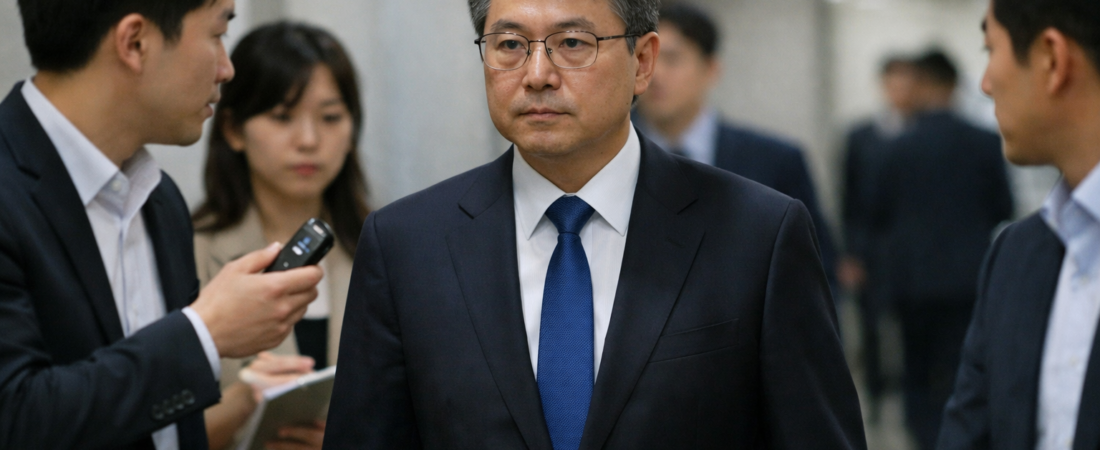
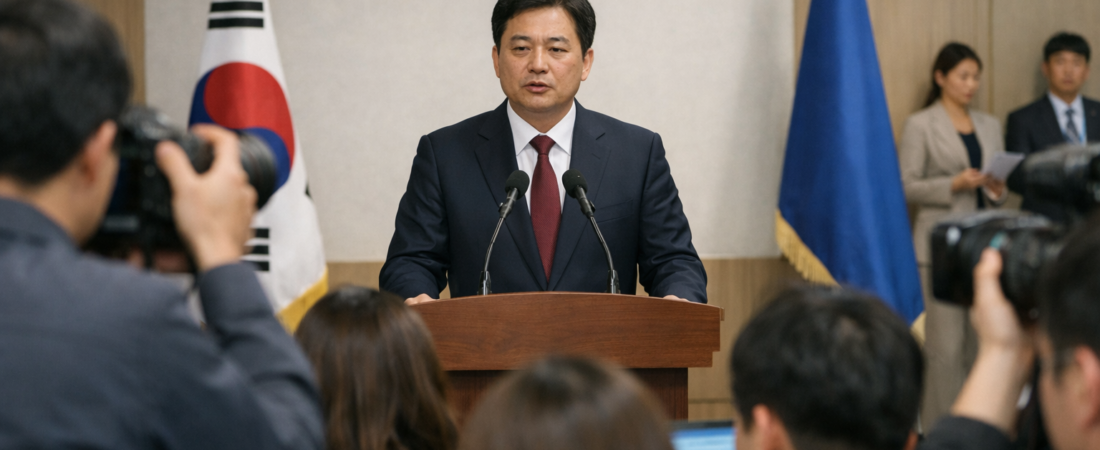
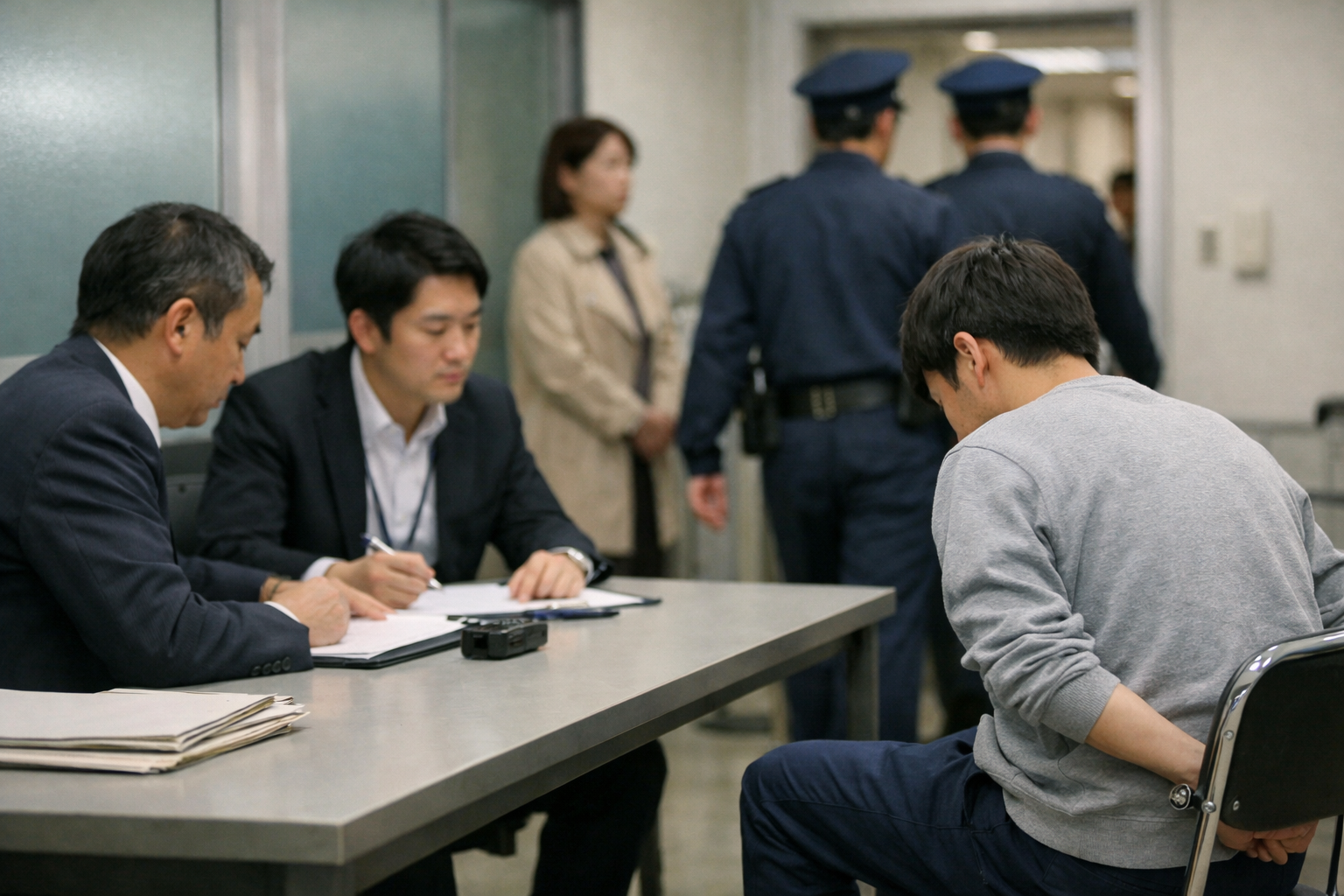
AI-Generated Photorealistic Image — All people, scenes, and details in this image are entirely AI-generated and fictional. Not a real photograph of an actual person or event. 이 이미지는 AI로 생성된 가상 이미지입니다.

Leave a Reply