Table of Contents
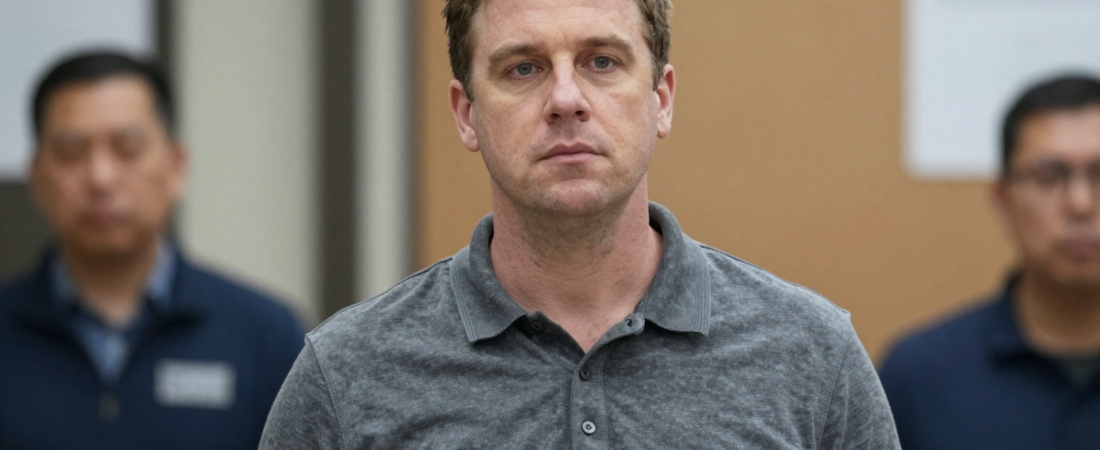
John Carney’s new film Sing Again opens in South Korea on September 2, 2026. The story centers on musician friends Danny Wilson and Rick Power, played by Nick Jonas and Paul Rudd, whose bond fractures over a hit song. Korean audiences already know John Carney’s work from Once, Begin Again, and Sing Street.
Can a friendship survive success? That question sits at the heart of every John Carney film, and Sing Again is no exception.
This time, the stakes feel personal. A song becomes a symbol of betrayal, ambition, and unresolved history between two men who once created music together.
John Carney’s New Film Sing Again Arrives
John Carney has built a career on small, intimate stories set inside big musical moments. His films rarely rely on spectacle. Instead, they trust two people talking, singing, and slowly understanding each other.
Sing Again follows that pattern closely. Danny Wilson and Rick Power share a musical past, but something has broken between them.
The trailer hints at a hit song now tangled in questions of ownership and loyalty. Whose song was it really? And why does it matter so much, years later?
For longtime fans, the casting alone raises curiosity. Nick Jonas brings real music industry experience to Danny Wilson’s character. Paul Rudd, known more for comedy and drama, steps into unfamiliar territory as Rick Power.
That pairing alone makes the film worth watching. If you have ever lost touch with an old creative partner, this story might feel closer to home than expected.
The Story: Friendship, Fame, and a Stolen Hit

At the center of Sing Again sits a simple but painful conflict. A song both men once shared has become a massive hit — but only one name gets the credit.
Is that theft? Or is it just how creative partnerships sometimes end? John Carney does not rush to answer.
Instead, he lets the tension build through conversation, silence, and music itself. This mirrors real disputes in the music industry, where songwriting credit often becomes a battleground long after a song reaches the charts.
Korean viewers may recognize this pattern from local music industry controversies too. Credit disputes are not unique to Hollywood or K-pop — they happen wherever creative work meets commercial success.
John Carney uses this universal tension to ask a deeper question. Can a friendship repair itself once money and fame enter the picture?
The film does not promise an easy resolution. That restraint feels true to John Carney’s earlier work, where emotional honesty always matters more than a tidy ending.
Why John Carney’s Music Films Resonate
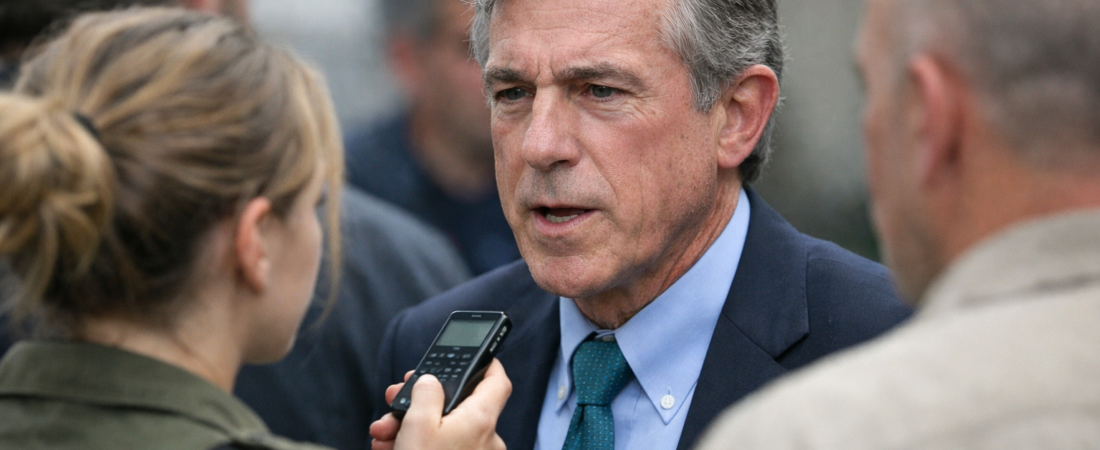
John Carney’s films share a quiet signature. Music does not just decorate the story — it drives the plot forward and reveals what characters cannot say out loud.
Once told a love story through busking on Dublin streets. Begin Again turned New York City into a recording studio disguised as everyday life.
Sing Street captured teenage ambition through a homemade 1980s music video (imagine your awkward high school garage band, but somehow it actually works). Sing Again continues this tradition with adult characters facing adult consequences.
Why does this formula keep working across different countries and audiences? Perhaps because music speaks before words do.
A shared song can repair a broken relationship faster than any apology. John Carney seems to believe that, and his films keep proving the point.
South Korean audiences have embraced this style consistently. Once and Begin Again both found devoted fan bases here, partly because Korean film culture already values emotional subtlety over loud spectacle.
What Sing Again Means for Global Audiences
Friendship rarely survives success without some cost. That truth sits underneath Sing Again, and it deserves honest reflection rather than easy comfort.
Creative partnerships often break precisely because one person’s contribution gets erased once the spotlight arrives. Yet the same story also shows something hopeful — people can choose to sit back down together, admit what went wrong, and try to rebuild what fame nearly destroyed.
Human closeness always carries this dual nature. The same bond that creates beautiful shared work can also create resentment when credit gets divided unevenly.
But the willingness to sing again, literally and figuratively, suggests that repair remains possible even after real harm. That tension between damage and reconciliation is what makes John Carney’s storytelling feel honest rather than sentimental.
For readers curious about the film’s reception, you can find additional coverage through Kyunghyang Shinmun. The review outlines how Danny Wilson and Rick Power’s relationship anchors the entire film.
John Carney’s track record suggests Sing Again will connect with audiences well beyond Korea. His films travel across cultures because they speak to something universal — the fear of losing a friend, and the hope of finding your way back.
Will Sing Again match the emotional impact of Once or Sing Street? That answer arrives on September 2, when Korean audiences finally see how Danny Wilson and Rick Power’s story ends.
What do you think — can a stolen song ever truly bring two old friends back together?
AI-Generated Photorealistic Image — All people, scenes, and details in this image are entirely AI-generated and fictional. Not a real photograph of an actual person or event. 이 이미지는 AI로 생성된 가상 이미지입니다.


Leave a Reply