Table of Contents
Netflix will send K-pop Demon Hunters on a 50-city live concert tour starting June 5, 2026, in Baltimore. The animated film, already Netflix’s most-watched movie ever, is turning its soundtrack into a global stage show called the “Golden World Tour.” Netflix confirmed the plan on November 13.
Have you ever watched a movie so many times that the songs started living in your head rent-free? That’s exactly what happened with K-pop Demon Hunters. Now Netflix wants to turn that obsession into something you can scream along to, live, in person.
The Golden World Tour Announcement
Netflix revealed the details just two days before this report, confirming Baltimore as the kickoff city. From there, the K-pop Demon Hunters tour will travel across 50 cities worldwide. No streaming platform had attempted a live tour at this scale for an animated original before.
This isn’t a small victory lap. It’s a calculated bet that the film’s fandom is strong enough to fill arenas, not just living rooms.
Think about how unusual that is. Movies rarely generate concert tours; bands and singers do. But K-pop Demon Hunters blurred that line from the start, building its entire story around a fictional girl group fighting literal demons through music.
That premise made a live tour almost inevitable once the film’s popularity exploded. Netflix clearly saw an opportunity most studios would have missed.
Why K-pop Demon Hunters Became a Global Phenomenon
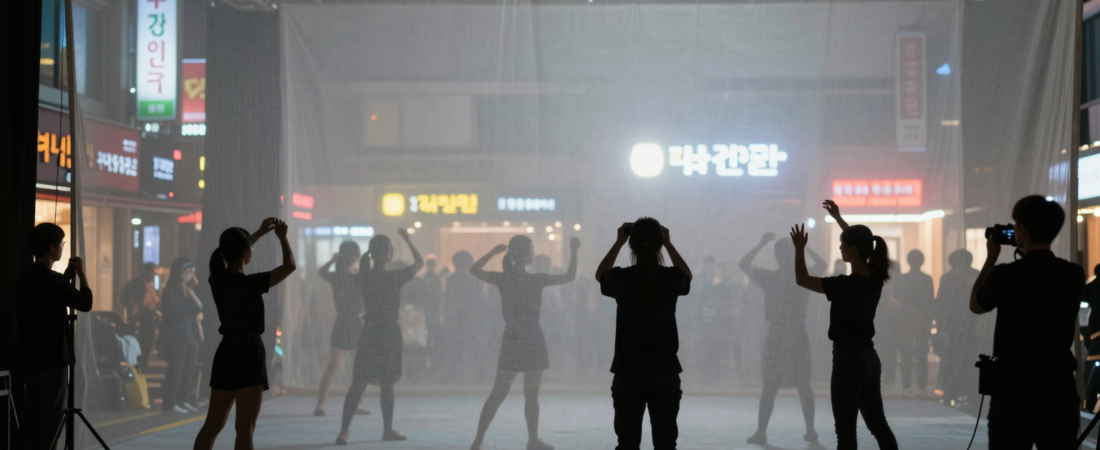
So what made this animated film hit different? Part of the answer lies in timing. Global audiences were already hungry for K-pop content, and K-pop Demon Hunters arrived with original songs catchy enough to top real-world streaming charts.
The film didn’t just borrow K-pop aesthetics for decoration. It treated the music, choreography, and fan culture seriously, the way a documentary might, except wrapped in a supernatural action story.
That attention to detail paid off. Viewers who had never followed a single K-pop group found themselves memorizing lyrics and practicing dance moves from a cartoon.
Korean entertainment has always depended on a careful mix of visual polish and emotional storytelling, something scholars have discussed for years regarding the broader “Korean Wave.” You can read more background on this cultural export phenomenon through The Kyunghyang Shinmun. K-pop Demon Hunters simply applied that formula to animation, and it worked better than almost anyone expected.
Koreans take fandom seriously, and this film gave them one more reason to practice their “fan chant” voices in the shower (ask any neighbor who’s heard it through the wall).
From Screen to Stage: What Fans Can Expect
Concert tours built around fictional characters aren’t entirely new, but few have reached this scale. The K-pop Demon Hunters tour promises to recreate the film’s biggest musical sequences in a live arena format, likely blending projection, choreography, and the kind of synchronized fan “ddechang,” or mass group-singing, that Korean concert culture is famous for.
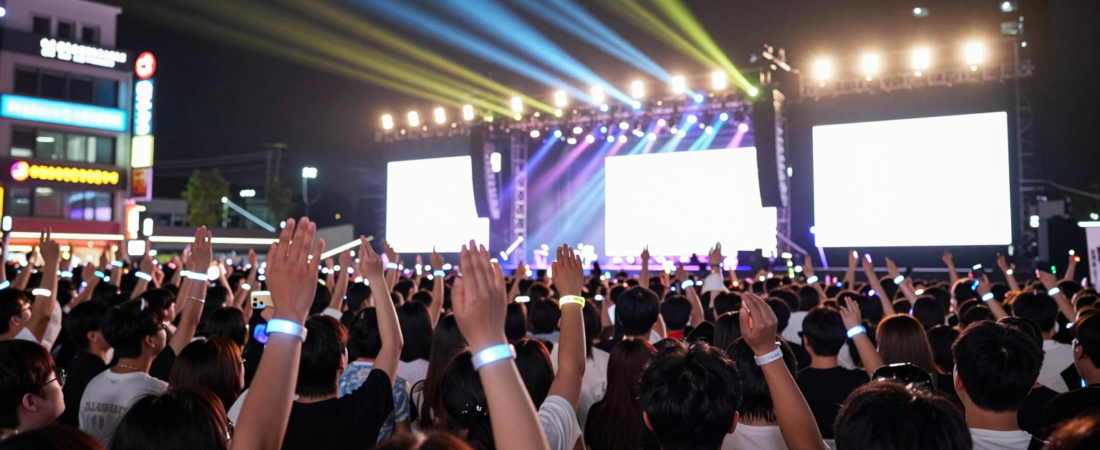
Picture thousands of fans across 50 different cities, from Baltimore to venues yet to be announced, all shouting the same lyrics in unison. That image alone tells you something about how borderless this fandom has become.
Why does this matter beyond ticket sales? Because it shows fans don’t need a real idol group to form a genuine emotional connection.
The characters in K-pop Demon Hunters may be fictional, but the feelings audiences bring to a concert are completely real. That distinction is becoming less important to younger fans raised on virtual idols, animated franchises, and parasocial relationships with characters who never physically existed.
Netflix is betting that this emotional bond translates directly into ticket demand, and early reactions to the tour announcement suggest the bet may already be paying off.
What This Tour Means for K-pop and Global Fandom
Where does this leave the broader K-pop industry? On one hand, a fictional group competing for attention with real idol groups raises uncomfortable questions about authenticity and labor. Actual trainees spend years in demanding systems to debut, while animated characters skip that entire process and still command stadium-level devotion.
That tension is worth naming honestly, not brushing aside. Yet there’s a hopeful thread running through it too.
Many real K-pop artists contributed vocals, choreography consultation, and creative input to K-pop Demon Hunters, meaning the industry’s actual workers are benefiting financially and creatively from this success, not being erased by it. The tour may even introduce new audiences to real K-pop groups, acting as a gateway rather than a replacement.
Human creativity has a strange way of finding new outlets, even when the format looks unfamiliar at first. The same collaborative spirit that built Korea’s idol training system is now adapting to animation, virtual performance, and hybrid live shows, carrying both its strengths and its pressures into new territory.
That adaptability deserves genuine respect, but it also deserves honest scrutiny, since fast-moving success stories can sometimes hide who gets left behind in the process.
Looking ahead, the K-pop Demon Hunters tour will likely be studied by other streaming platforms eager to copy its formula. If 50 cities sell out, expect animated franchises everywhere to start planning their own concert spinoffs.
What do you think about fictional characters headlining real world tours, and does that change how you feel about modern fandom?
AI-Generated Photorealistic Image — All people, scenes, and details in this image are entirely AI-generated and fictional. Not a real photograph of an actual person or event. 이 이미지는 AI로 생성된 가상 이미지입니다.



Leave a Reply