Table of Contents
Three musicians from two continents shared one stage on November 11. The Korean Cultural Centre in South Africa hosted “Crossover Groove,” blending Korean and South African sounds into a single performance.
Can music really bridge two cultures that sit thousands of miles apart? That question sat at the heart of this event, and the answer came through every note played that night.
The Korean Cultural Centre in South Africa has built a reputation for creative programming. This latest show pushed that reputation even further, pairing unlikely musical partners in a genuinely experimental setting.
What Happened at Crossover Groove
The special edition of the KCC Music on Stage series brought together Yohan Song, Wilson B. Adeosun, and Pedri van de. Each artist carried a distinct musical background into the room.
Song represented Korean musical tradition, while Adeosun and van de brought South African rhythm and style to the performance. Together, they created something neither culture could have produced alone.
Think of it like two chefs combining ingredients from different kitchens. The result surprises you, and somehow, it still tastes familiar and new at once.
The Korean Cultural Centre in South Africa designed this event specifically to showcase that kind of blend. Organizers wanted audiences to hear Korean melodies and South African grooves talking to each other in real time.
The Korean Cultural Centre in South Africa’s Mission
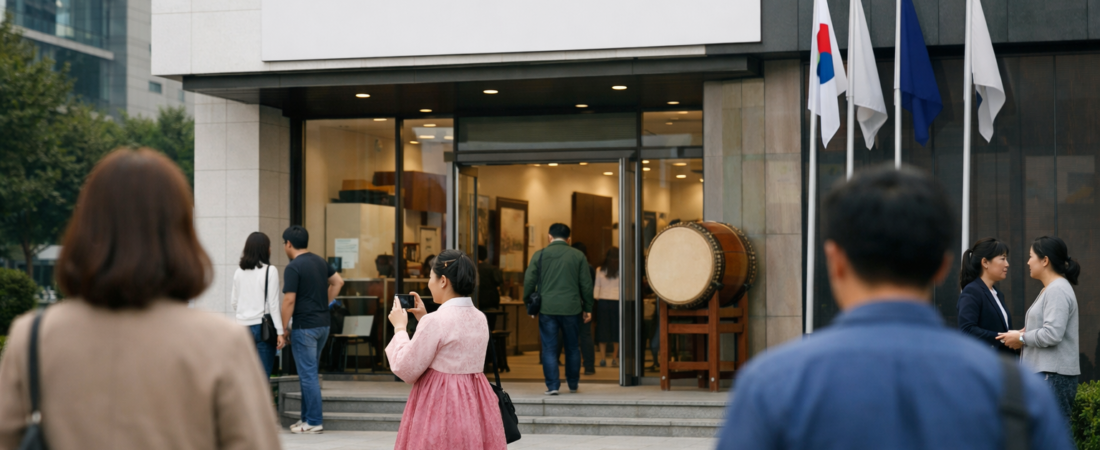
You might wonder why a government-backed cultural center would host an experimental music night instead of a traditional showcase. The answer lies in how Korea approaches soft power abroad.
The Korean Cultural Centre in South Africa operates as part of a global network of Korean cultural centers. These centers promote Korean language, food, film, and music across dozens of countries.
But this branch takes a more collaborative approach than many. Rather than simply presenting Korean culture to local audiences, it invites local artists to meet Korean artists halfway.
That choice reflects a broader shift in Korea’s cultural diplomacy strategy. Instead of exporting culture one direction, centers like this one now build genuine two-way exchange with host countries.
The KCC Music on Stage series itself has run multiple editions before this crossover event. Each edition typically features Korean musicians performing for South African audiences, but Crossover Groove flipped that format into true collaboration.
Why Musical Crossover Matters for Culture Lovers
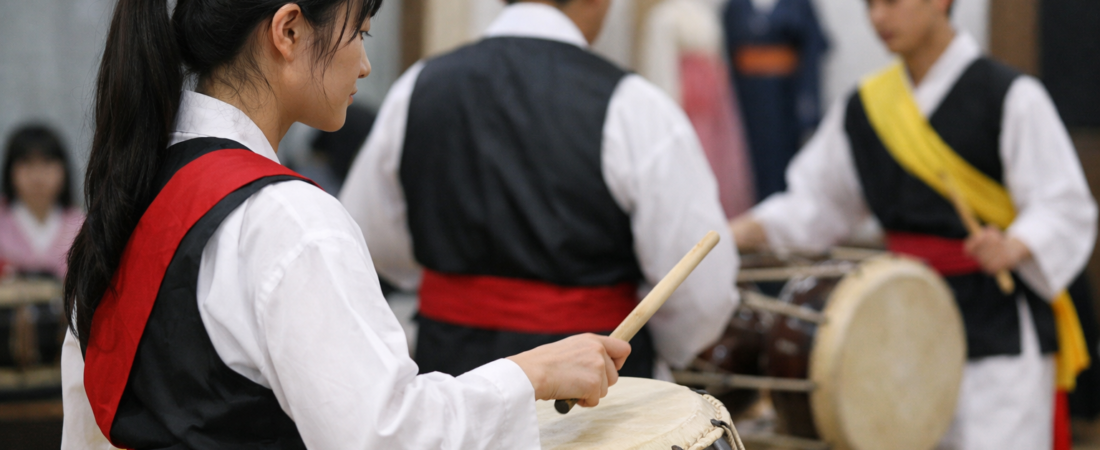
Why should anyone outside Korea or South Africa care about one concert in Pretoria or Johannesburg? Because events like this show how global culture actually spreads today.
K-pop and Korean cinema already dominate headlines worldwide. Yet smaller, grassroots exchanges like Crossover Groove often do more lasting work than any viral hit ever could.
These events let Korean music adapt rather than just travel. When Yohan Song performs alongside South African musicians, Korean melodic structures meet African rhythmic traditions, and both sides learn something new.
This echoes a pattern seen throughout Korea’s modern cultural history. Korean pansori singers once absorbed Western jazz influences in the mid-20th century, creating entirely new genres that still echo today.
The Korean Cultural Centre in South Africa seems to understand this history well. By inviting genuine collaboration instead of one-way performance, the center creates space for that same kind of creative fusion to happen again.
You can learn more about ongoing cultural programming through outlets like Korea.net, which regularly covers these overseas cultural events.
Looking Ahead for Cultural Exchange
What comes next for the Korean Cultural Centre in South Africa? If Crossover Groove succeeds in building local interest, expect more cross-genre collaborations in future seasons.
Cultural exchange like this carries real limitations too, and it’s worth naming them honestly. One concert cannot undo decades of limited contact between Korean and African music scenes, and audiences on both sides still know far too little about each other’s traditions.
Still, something hopeful lives inside that limitation. Every collaboration like Crossover Groove chips away at unfamiliarity, one shared stage at a time, and artists like Song, Adeosun, and van de prove that curiosity can outpace distance when people simply choose to play together.
Korea’s global cultural centers now operate in over 100 countries, each adapting its approach to local tastes. South Africa’s branch has clearly chosen collaboration over simple showcase, and that choice may shape how future exchanges unfold across the African continent.
What do you think about blending musical traditions from completely different cultures? Would you attend a concert like Crossover Groove if it came to your city?
AI-Generated Photorealistic Image — All people, scenes, and details in this image are entirely AI-generated and fictional. Not a real photograph of an actual person or event. 이 이미지는 AI로 생성된 가상 이미지입니다.



Leave a Reply