Table of Contents
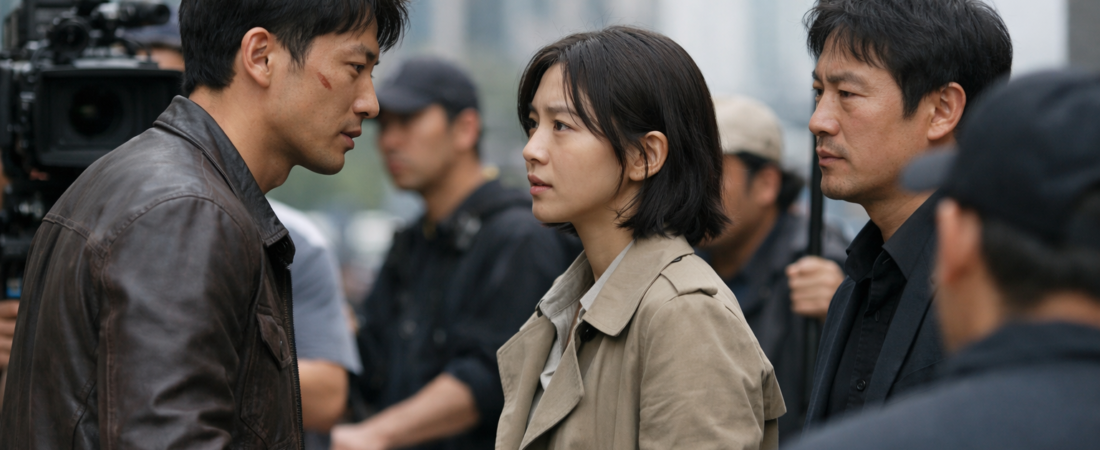
Two Korean films are proving that a family movie does not have to stay warm and gentle. Gyeongju Travelogue and Bigwang open one week apart, both blending family drama with crime thriller and noir elements. This new wave of Korean movie storytelling swaps hugs for tension, without losing the emotional core audiences expect.
Have you ever watched a family movie and wished it had a little more edge? These two releases seem to answer that exact wish. Instead of tears and reconciliation alone, they bring alibis, secrets, and moody visuals into the mix.
Two New Films Reject the Cozy Family Movie Label
Korean cinema has long loved the family movie formula. Parents argue, children rebel, everyone hugs by the final scene. This has worked for decades, but audiences are asking for something different now.
Gyeongju Travelogue and Bigwang answer that call directly. Both films use family bonds as their foundation, then layer crime thriller and noir textures on top. The result feels less like a tearjerker and more like a suspense-filled character study.
Why does this shift matter? Because it signals that Korean movie audiences want complexity, not comfort alone. Family stories can carry darkness and humor at the same time, and these two releases prove that combination can work at the box office.
Korean directors have quietly been testing genre mixing for years. Films like Parasite showed the world that family dynamics and crime tension sit naturally together. Gyeongju Travelogue and Bigwang continue that tradition, just with a softer, more domestic starting point.
Inside Gyeongju Travelogue: Alibis, Cameras, and Crime
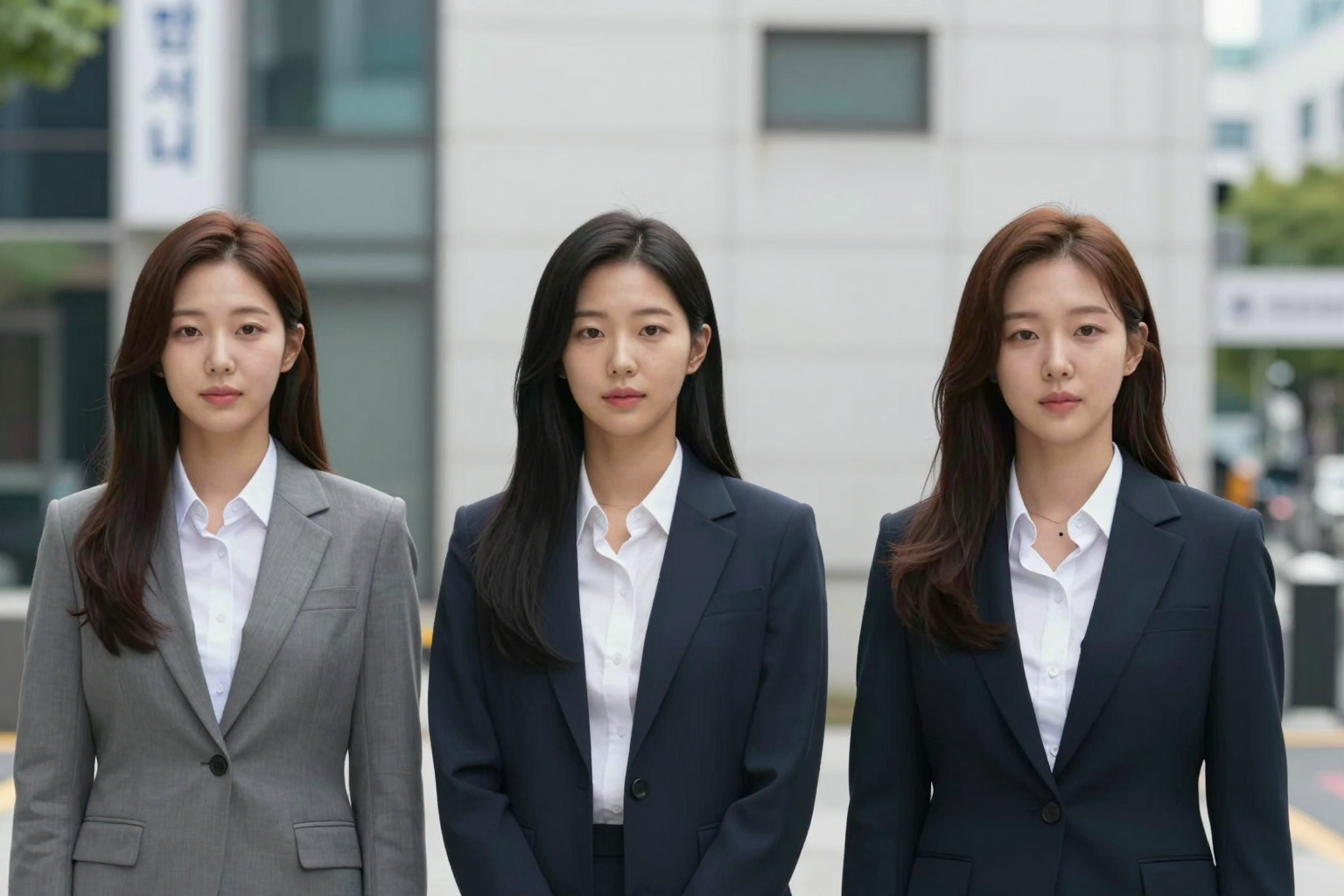
Gyeongju Travelogue follows four women from one family. A mother and her three daughters travel to the ancient city of Gyeongju, a historic site once the capital of the Silla Kingdom. On the surface, it looks like a simple road trip movie.
But there is a twist. The four women stage a family photo shoot to build an alibi for a crime. That single choice turns a gentle travel film into something tense and morally tricky.
This setup asks a sharp question. Can a family photo, usually a symbol of warmth, become a tool for deception? The film seems to say yes, and that contradiction drives much of its suspense.
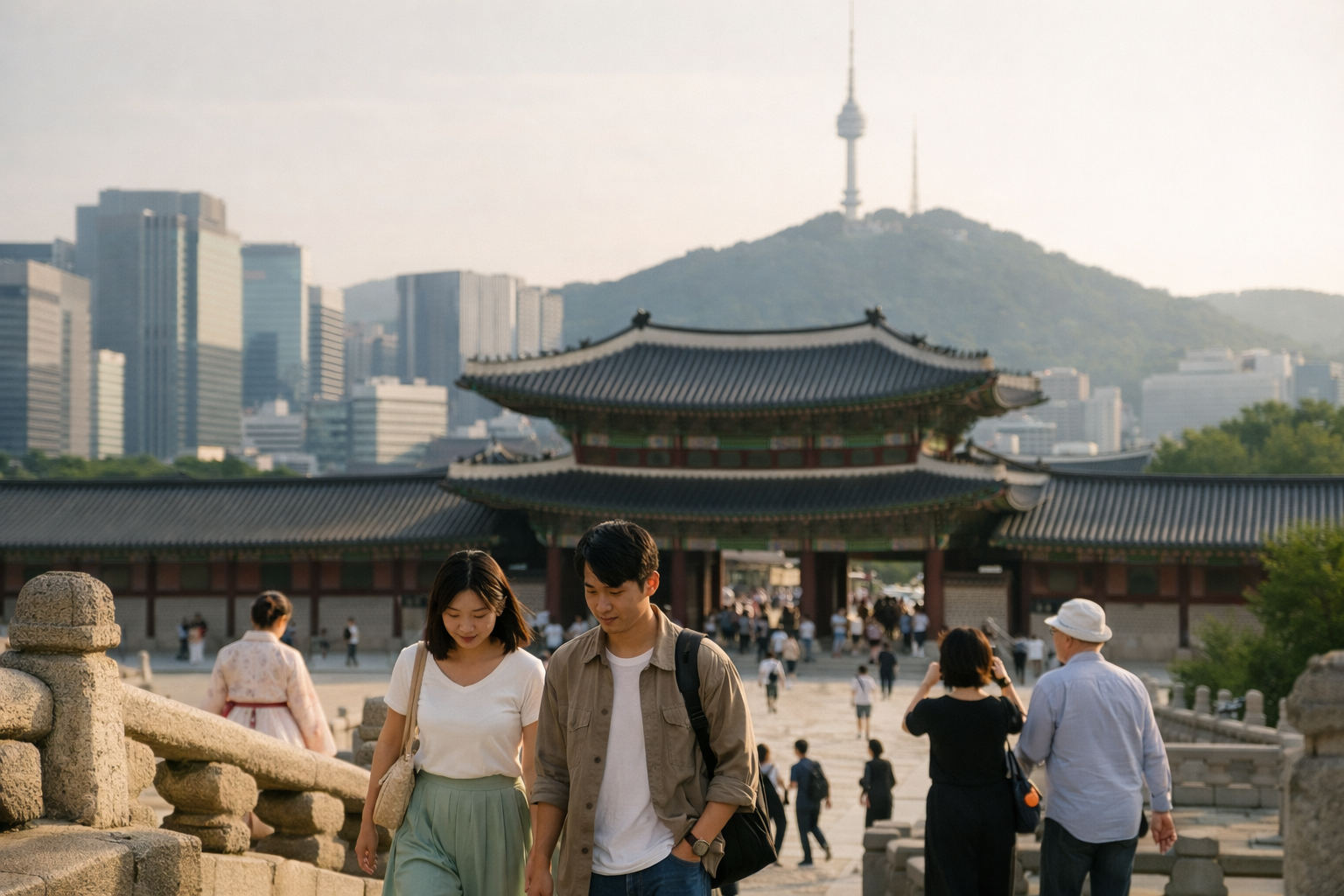
Setting the story in Gyeongju adds another layer worth noting. The city is famous for centuries-old tombs and temples, a place where history and quiet beauty usually take center stage. Placing a crime plot against that backdrop creates a striking contrast between peaceful scenery and hidden tension (imagine staging a heist inside a museum of royal tombs).
According to Kyunghyang Shinmun, the film uses this contrast deliberately, letting quiet landscapes sit beside moments of real dramatic pressure. That balance is part of what makes this Korean movie stand out this season.
Bigwang and the Noir Turn in Korean Family Movie
Bigwang takes a different route to a similar destination. Its title references a scoring term from the Korean card game hwatu, hinting at risk and chance from the start. The film wraps a family story inside a noir atmosphere, full of shadow, moral ambiguity, and quiet danger.
Like Gyeongju Travelogue, Bigwang refuses to settle into pure sentimentality. Family members fight, bicker, and clash throughout the story. Yet these conflicts happen inside a genre framework borrowed from crime cinema, giving ordinary domestic tension a sharper edge.
What makes this approach interesting for any Korean movie fan? It shows that genre labels do not have to limit a story. A movie can be a family drama and a noir thriller at the same time, without one canceling out the other.
Bigwang’s marketing has leaned into this duality. Posters and trailers hint at danger, while the actual family scenes stay recognizably tender. That tension between promise and payoff is exactly what keeps audiences curious before opening night.
Why This Genre Blend Matters for Korean Movie Fans
Step back for a moment. Why are two films with almost the same formula releasing just one week apart? That timing likely reflects a broader shift in what Korean movie audiences now expect from domestic cinema.
Family stories used to promise safety. You knew roughly how the ending would feel, even before the credits rolled. These new releases break that promise on purpose, and that unpredictability is part of the appeal.
There is something worth sitting with here, beyond the marketing angle. Korean families, on screen and off, often carry both warmth and unspoken strain at the same time. The same closeness that creates comfort at a family dinner table can also create pressure nobody talks about openly.
These films do not resolve that tension neatly, and maybe that is honest storytelling. Real families argue, hide things, and still show up for each other the next morning. Choosing to show both sides, the loyalty and the friction, feels more truthful than presenting family life as either all warmth or all conflict.
That honesty offers its own kind of hope. When a story admits that love and difficulty can coexist, it gives viewers permission to feel the same about their own families. Korean movie audiences seem ready for that kind of nuance, and these two releases are meeting them there.
Looking ahead, this genre blending trend may shape more Korean movie releases through 2026. Directors now have proof that mixing crime thriller elements with family narrative can draw real audience interest. What do you think about family movies that trade comfort for tension?
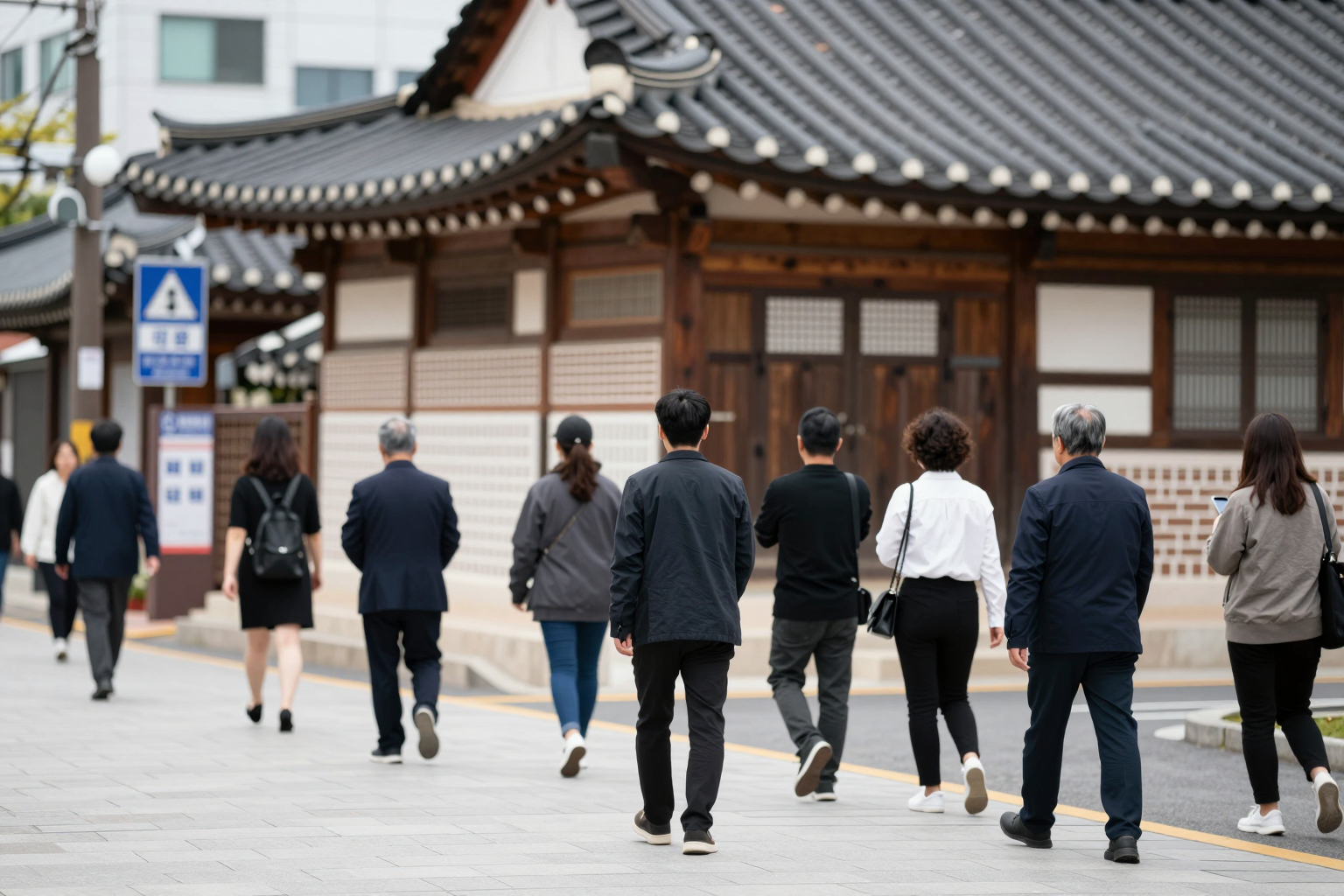
AI-Generated Photorealistic Image — All people, scenes, and details in this image are entirely AI-generated and fictional. Not a real photograph of an actual person or event. 이 이미지는 AI로 생성된 가상 이미지입니다.
Leave a Reply