Table of Contents
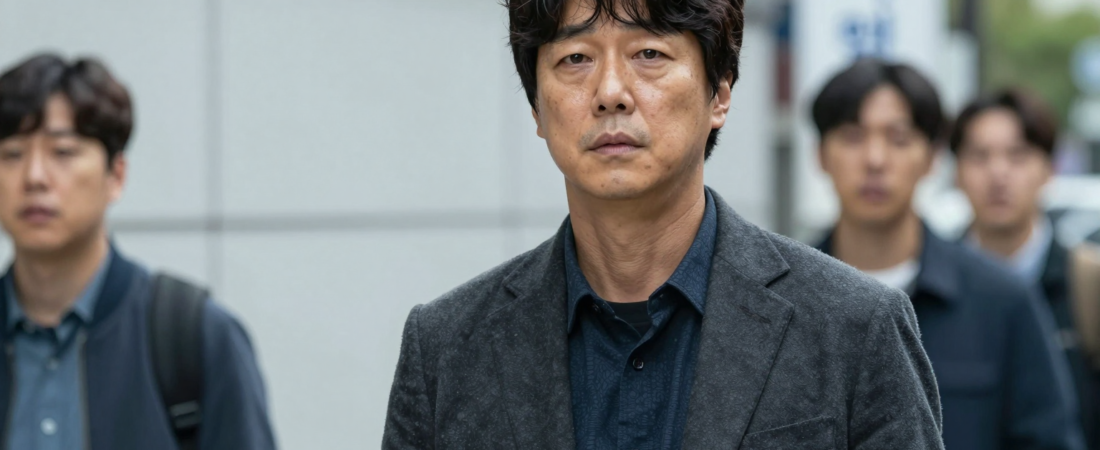
Director Lee Chang-dong unveiled his first film in eight years, titled “Possible Love,” at a press event in Seoul on August 25. The story follows a laid-off worker and a wounded married couple, played by Sol Kyung-gu and Jeon Do-yeon. A second couple, played by Jo Yeo-jeong and Jo In-sung, adds a parallel storyline exploring love and relationships.
Why does a director wait eight years between films? For Lee Chang-dong, silence has never meant absence.
He has spent that time watching Korea change. Layoffs, economic anxiety, and disappearing job security have reshaped how ordinary people live and love. That backdrop shapes “Possible Love” from its very first frame.
Lee Chang-dong Returns After Eight Years
Lee Chang-dong last released a feature film in 2018 with “Burning.” Since then, fans and critics alike have wondered what he would do next. Eight years is a long gap, even for a director known for taking his time.
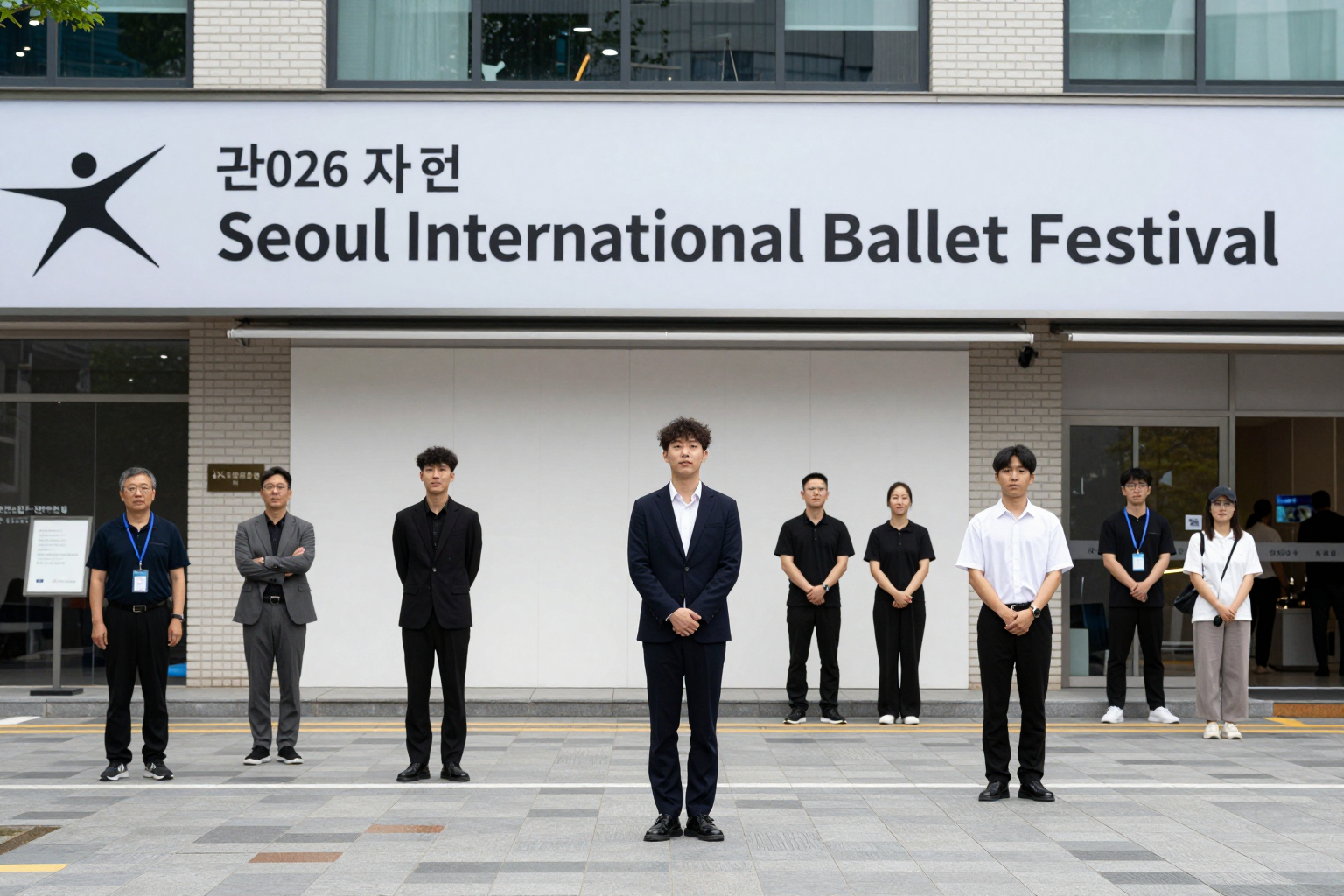
At the press conference in Mapo-gu, Seoul, held at the Hotel Naru Seoul M Gallery, Lee Chang-dong explained his motivation directly. He said stories about laid-off workers feel more urgent now, in what he called an era when labor itself is disappearing. That phrase carries weight in a country grappling with automation, contract work, and shrinking full-time jobs.
This is not a new theme for Lee Chang-dong. His earlier films, including “Peppermint Candy” and “Secret Sunshine,” often centered on characters pushed to the margins by economic or social forces. “Possible Love” continues that tradition, but with a sharper focus on what happens to intimacy when livelihood collapses.
Netflix is producing the film, marking a notable shift for a director long associated with theatrical releases. That choice signals how even auteur filmmakers now navigate a streaming-first industry. Whether that changes how audiences experience Lee Chang-dong’s slow, deliberate style remains an open question.
A Story of Two Couples and One Question
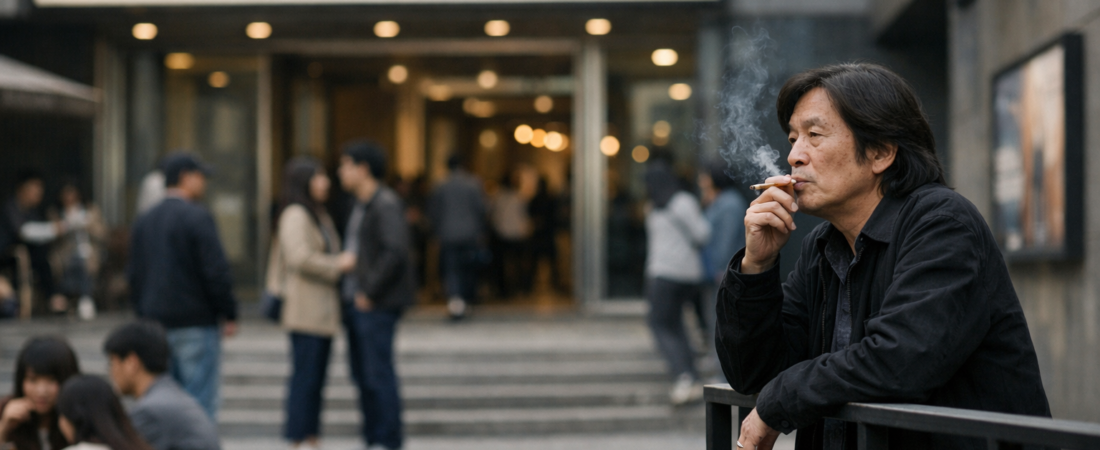
“Possible Love” follows two married couples whose stories intersect. Sol Kyung-gu and Jeon Do-yeon play a couple reunited after painful separation, both carrying visible scars. Jo Yeo-jeong and Jo In-sung play a second couple, offering a contrasting lens on the same themes.
Jeon Do-yeon and Sol Kyung-gu previously starred together in Lee Chang-dong’s “Peppermint Candy” and “Oasis.” That history adds emotional depth to their reunion here. Longtime fans will likely feel the weight of that shared history the moment these two actors share a scene again.
The film’s central question, as Lee Chang-dong framed it, is simple but haunting: what kind of love is even possible anymore? Is love still possible when jobs vanish and financial stability disappears? Can two people rebuild trust after loss has already broken something between them?
These questions are not abstract. They reflect real conditions many Korean families face today. Job loss does not just empty a bank account; it can quietly erode a marriage, a sense of self, and a shared future.
Why Lee Chang-dong’s Cinema Still Matters
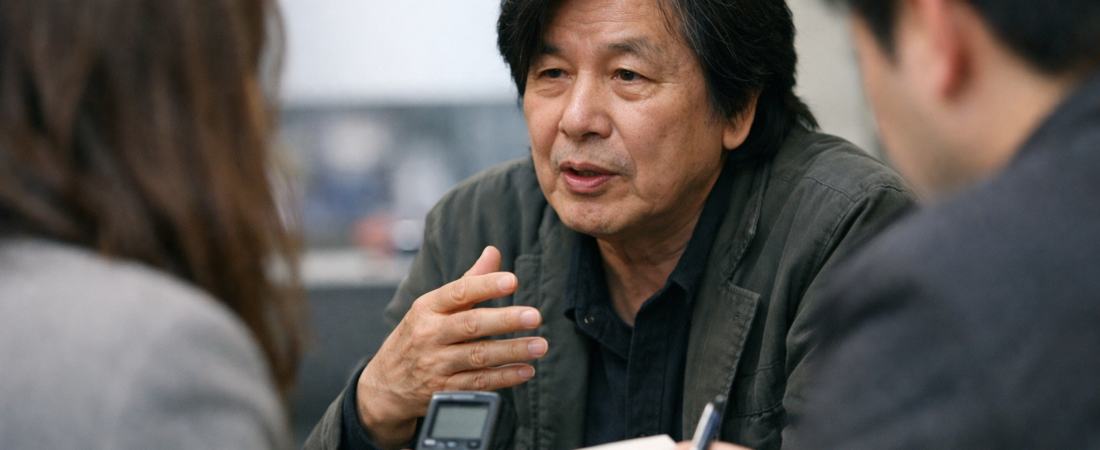
Korean cinema has changed dramatically since Lee Chang-dong’s debut in 1997. Fast-paced thrillers and glossy blockbusters now dominate box offices both at home and abroad. Yet Lee Chang-dong has never chased trends, and that stubbornness is exactly why his work still resonates.
His films move slowly and sit with discomfort rather than resolving it neatly. That approach demands patience from viewers used to quick payoffs (a genuinely rare ask in today’s algorithm-driven streaming world). But patience, in his hands, usually pays off.
Consider the timing of this release. South Korea’s labor market has seen rising numbers of temporary contracts and involuntary layoffs in recent years, especially among workers in their 40s and 50s. Lee Chang-dong is not inventing a crisis; he is documenting one many families already recognize.
This honesty about labor and love deserves both praise and a clear-eyed look at its limits. Films like this can open conversations that policy reports rarely start, giving a human face to statistics about unemployment. Yet cinema alone cannot rebuild a severance package or restore a broken pension system, and it would be dishonest to pretend otherwise.
Still, there is something hopeful in a director choosing to tell this story at all. Somewhere between despair and denial sits a quieter path: naming the hardship honestly while still asking whether love, connection, and repair remain possible. That question, asked sincerely rather than sentimentally, is itself a small act of hope.
From Venice to the Oscar Race
“Possible Love” will premiere in the competition section of the Venice International Film Festival before pursuing a wider release. Industry observers already expect it to enter the Oscar conversation, following the international path that “Parasite” and “Burning” once carved out for Korean cinema. That trajectory places heavy expectations on Lee Chang-dong’s shoulders.
Will global audiences connect with a story so rooted in Korea’s specific labor anxieties? Universal themes like love, loss, and rebuilding tend to travel well across borders. Lee Chang-dong has proven before, with “Burning” and “Secret Sunshine,” that deeply Korean stories can still speak to audiences worldwide.
For readers following Korean film trends, this release is worth watching closely. You can find ongoing festival coverage and critical response through outlets like Kyunghyang Shinmun. The film’s reception in Venice will likely shape its awards season momentum going into next year.
Lee Chang-dong has spent his career asking hard questions about ordinary Korean lives. “Possible Love” continues that mission at a moment when economic insecurity feels more widespread than ever. What do you think happens to love when the ground beneath it keeps shifting?
AI-Generated Photorealistic Image — All people, scenes, and details in this image are entirely AI-generated and fictional. Not a real photograph of an actual person or event. 이 이미지는 AI로 생성된 가상 이미지입니다.
Leave a Reply