Table of Contents
Lee Chang-dong will become the first Korean filmmaker to win the Mill Valley Film Festival’s Award of Excellence next month in San Francisco. The honor recognizes his decades of original storytelling and global influence. His newest film, tentatively titled in English as “Love That Is Possible,” will screen in the festival’s Spotlight section.
Why does this matter beyond one filmmaker’s résumé? Because Lee Chang-dong represents something rare in cinema: a director who refuses to repeat himself.
Every project he makes looks and feels different, yet each one carries his unmistakable fingerprint. That kind of consistency-through-variety is hard to find, and harder to reward.
Lee Chang-dong Wins the Mill Valley Award
The Mill Valley Film Festival, held annually near San Francisco, is known for spotlighting directors whose work pushes cinema forward. This year, that spotlight lands on Lee Chang-dong. No Korean director has received this specific award before, which makes the moment historic.
Festival organizers cited his “originality of vision” as the reason for the honor. That phrase carries weight when you consider his filmography. Lee Chang-dong has never chased trends; he has built a career on patient, character-driven storytelling that rewards close attention.
Have you ever watched a film that stayed with you for weeks afterward? That lingering feeling is exactly what critics point to when discussing his work. It is not flashy, but it is unforgettable.
Who Is Lee Chang-dong
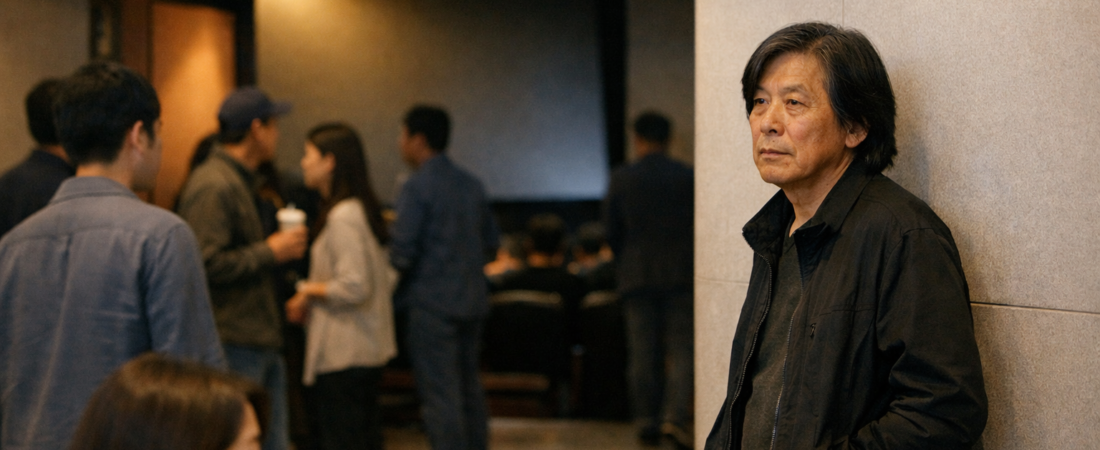
Before he was a filmmaker, Lee Chang-dong was a novelist. That background shows in how he builds his stories, layer by layer, like chapters rather than scenes. He later served as South Korea’s Minister of Culture, Sports and Tourism, a role that gave him a rare view of Korean culture from both the creative and policy sides.
His breakout films, including “Peppermint Candy” and “Poetry,” established him as a director who explores grief, guilt, and quiet dignity. International audiences discovered him gradually, then all at once. Cannes and Venice both embraced his work long before Hollywood took full notice.
This is part of what makes the Mill Valley award meaningful. It is not a debut recognition; it is a lifetime one. Lee Chang-dong built this reputation slowly, film by film, without shortcuts.
Inside “A Normal Family,” His New Film
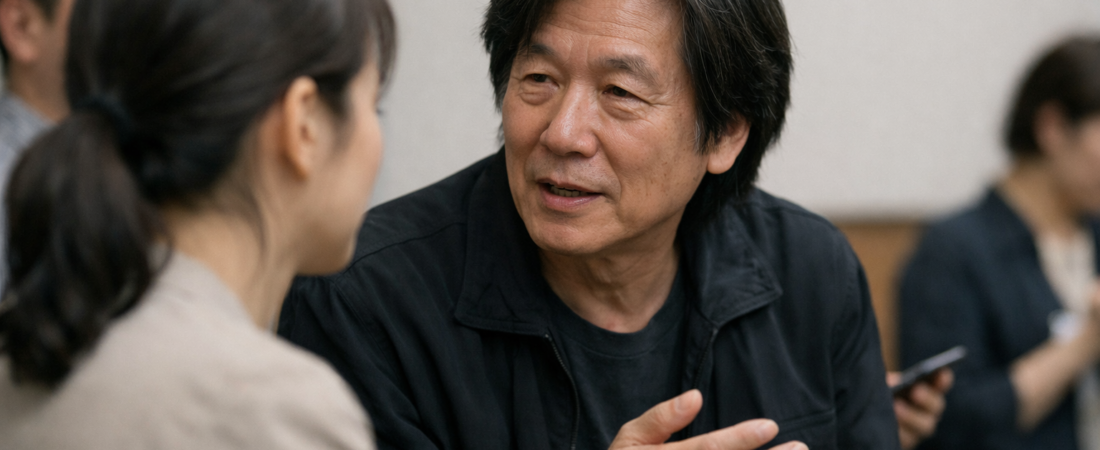
Lee Chang-dong’s new project, “Love That Is Possible,” follows a laid-off worker and a documentary filmmaker couple navigating a fractured relationship. The cast includes Sol Kyung-gu, Jeon Do-yeon, Jo Yeo-jeong, and Jo In-sung, a lineup that instantly signals prestige in Korean cinema. Netflix is backing the production, expanding its potential global reach.
Sol Kyung-gu and Jeon Do-yeon previously worked with Lee Chang-dong on “Oasis” and “Secret Sunshine,” two films that earned major international acclaim. Their reunion with him carries its own weight for longtime fans. It suggests trust built over nearly two decades of collaboration.
For more details on the festival lineup, you can check Kyunghyang Shinmun. The film’s inclusion in the Spotlight section places it alongside other award-caliber international releases this year. That alone tells you how seriously the festival is treating Lee Chang-dong’s latest work.
What This Recognition Means for Korean Cinema
Korean cinema has earned global attention before, from Bong Joon-ho’s Oscar win to “Parasite” and Netflix’s “Squid Game.” But Lee Chang-dong’s award feels different. It celebrates a career built on restraint rather than spectacle, and that distinction matters for how the world understands Korean storytelling.
Is Korean film only about bold, viral moments? Not entirely. Directors like Lee Chang-dong remind global audiences that quiet, deliberate craftsmanship still has a place on the world stage, even in an era obsessed with speed and virality.
There is something worth sitting with here. The film industry, in Korea and everywhere else, often rewards speed, spectacle, and instant reaction over patience. That pressure is real, and it pushes many talented storytellers toward louder, faster work just to stay visible.
Yet Lee Chang-dong’s recognition shows another path is still possible. Slow, careful craft can still find an audience, even a global one, when it carries honesty and depth. That should give hope to anyone who values substance over noise, whether they are filmmakers, writers, or simply viewers tired of empty spectacle.
What comes next for Lee Chang-dong will likely shape how international festivals view Korean auteur cinema going forward. His influence already reaches younger Korean directors who study his patience and precision. Expect more festivals to look toward Korea not just for blockbusters, but for quiet masterpieces too.
What do you think makes a filmmaker’s work last for decades instead of just one viral moment?
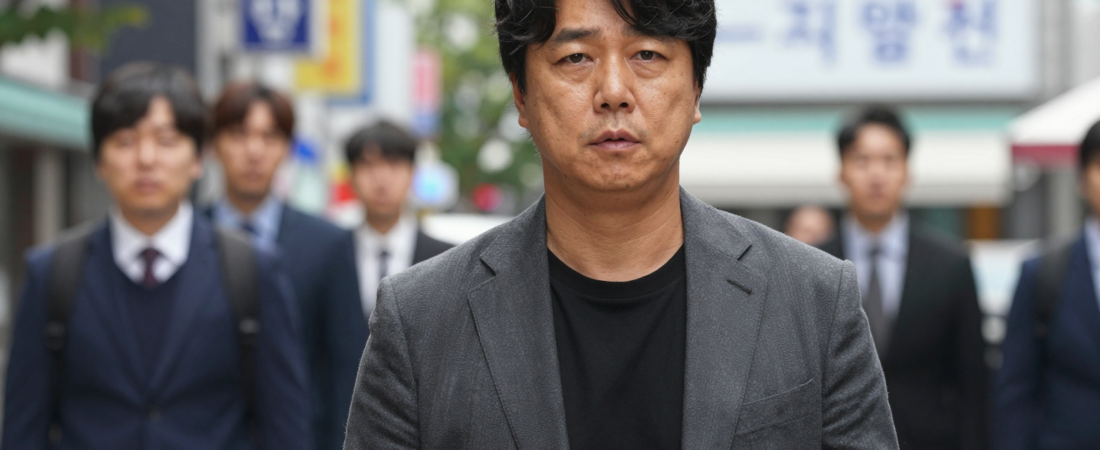
AI-Generated Photorealistic Image — All people, scenes, and details in this image are entirely AI-generated and fictional. Not a real photograph of an actual person or event. 이 이미지는 AI로 생성된 가상 이미지입니다.

Leave a Reply