Table of Contents
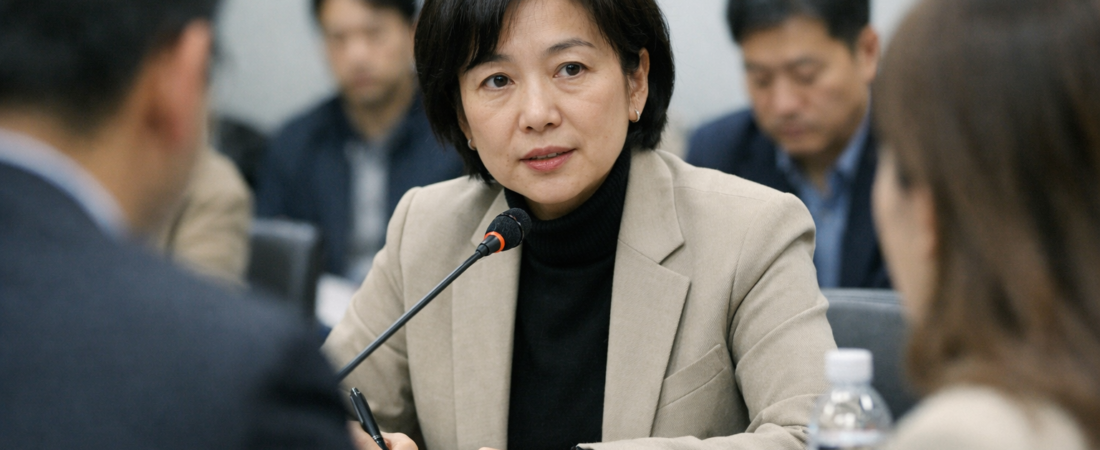
Can a bowl of ginger soup change the course of a life? For Lee Kyung-ae, the answer is a firm yes.
Decades before she became one of Korea’s most decorated masters of medicinal cuisine, she was a young girl digging wild ginger from the dirt just to feel full. Her story, recently spotlighted by Maeil Business Newspaper, traces an extraordinary path from desperate poverty to national culinary honor.
Today, Lee Kyung-ae holds the title of “myeongin,” a designation reserved for Korea’s top-tier traditional artisans. She has received South Korea’s Presidential Award three separate times.
That is not a small feat. It places her among a rare group of Koreans recognized at the very highest level for preserving traditional culture.
From Hunger to Hope: Lee Kyung-ae’s Early Years
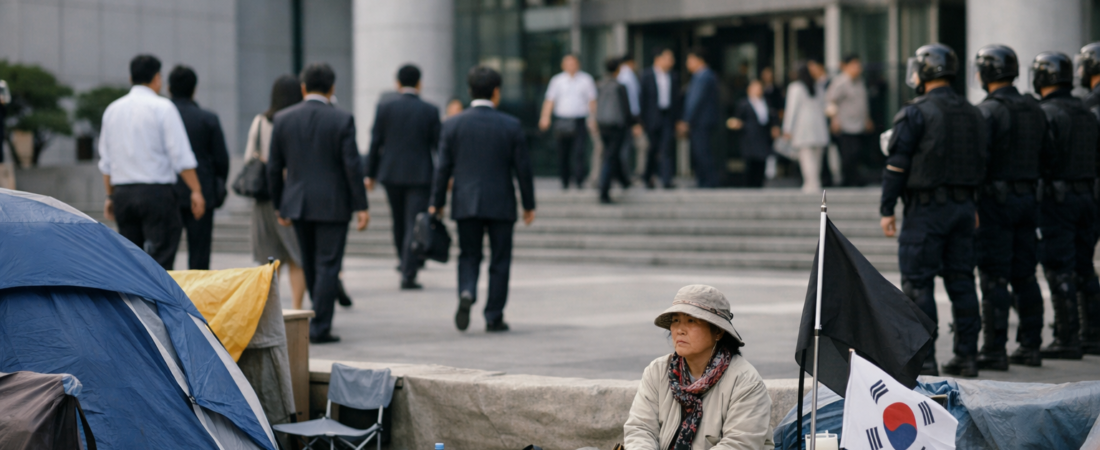
Lee Kyung-ae’s childhood reads like something out of a hard postwar novel. Her father’s gambling debts drained whatever little the family had.
Food security was not a given in her household. It was a daily struggle.
She dug up ginger roots from the ground to quiet her hunger. Think about that for a moment — a young girl, not yet old enough to understand economics, learning early that survival meant getting creative with whatever the earth offered.
At one point, Lee Kyung-ae even sold her own hair to buy barley, the cheapest grain available at the time. This was not an unusual choice in mid-20th-century Korea.
Barley, or “boriseal,” was the food of the poor for generations, while white rice signaled relative wealth. Selling hair for grain money tells you exactly how tight things were for her family.
Korea in that era was still recovering from war and rapid social change. Millions of families faced similar circumstances, scraping by on foraged plants, cheap grains, and whatever labor children could contribute.
Lee Kyung-ae’s experience was extreme, but it was not isolated. Her later transformation into a celebrated culinary figure makes her story stand out precisely because so few managed to travel that same distance.
What Is Yaksun? Korea’s Philosophy of Medicinal Cooking
So what exactly did Lee Kyung-ae end up mastering? The answer is “yaksun” cuisine, a tradition that blends food and medicine into a single philosophy.
Yaksun cooking treats ingredients as more than flavor carriers. Each root, herb, and grain is chosen for how it supports the body’s balance and health.
This idea draws from centuries-old East Asian medical thinking, where food and remedy were never fully separate categories. If you have ever eaten Korean samgyetang, a ginseng chicken soup served on the hottest days of summer, you have already tasted a piece of this philosophy without realizing it.
The irony here is hard to miss. The same ginger that once represented Lee Kyung-ae’s hunger later became one of her signature ingredients as a professional cook.
What was once a desperate survival food transformed into a symbol of healing and nourishment in her hands. Call it a recipe for resilience, quite literally.
Becoming a recognized yaksun master requires years of rigorous training. Practitioners must understand not just cooking techniques, but the properties of dozens of herbs and roots, along with how different ingredients interact with the human body.
It is closer to studying pharmacology than following a simple recipe book. Lee Kyung-ae’s mastery of this complex field is exactly why her Presidential Award recognitions carry so much weight within Korea’s traditional culinary community.
Lee Kyung-ae’s Rise to Three Presidential Awards
How does someone go from foraging for survival to receiving the nation’s highest culinary honor? Not through luck. Lee Kyung-ae’s rise came through relentless discipline over many years.
South Korea’s Presidential Award for traditional crafts and cuisine is not handed out casually. It recognizes individuals who have preserved and advanced a cultural practice at a national level, often after decades of dedicated work.
Receiving this award once is already a significant milestone for any artisan. Lee Kyung-ae received it three separate times, an achievement that places her in an exceptionally small circle of honorees.
Her path likely involved formal apprenticeships, competition victories, and years spent refining techniques passed down through generations of Korean cooks. This kind of recognition does not simply celebrate good cooking.
It validates a life devoted to teaching others, documenting traditional methods, and keeping a fragile cultural inheritance from disappearing. Every dish she prepares now carries the weight of that history.
Her journey also reflects something broader about how Korea chooses to honor its past. The country actively works to preserve traditional arts, crafts, and culinary knowledge through formal recognition systems precisely because modernization threatens to erase them.
Lee Kyung-ae’s three Presidential Awards are not just personal trophies. They are a statement that traditional Korean medicinal cuisine deserves a permanent place in the nation’s cultural memory.
Why Lee Kyung-ae’s Story Still Matters Today
Why should readers outside Korea care about one woman’s culinary journey? Because stories like Lee Kyung-ae’s ask a question that transcends borders: what do we do with our hardest years?
Her answer was not to erase the memory of hunger, but to transform it into purpose. That transformation is worth sitting with for a moment.
There is real beauty in watching someone turn deprivation into mastery, turn a survival food into a signature dish. Stories like this deserve celebration, and Lee Kyung-ae has earned every bit of her recognition.
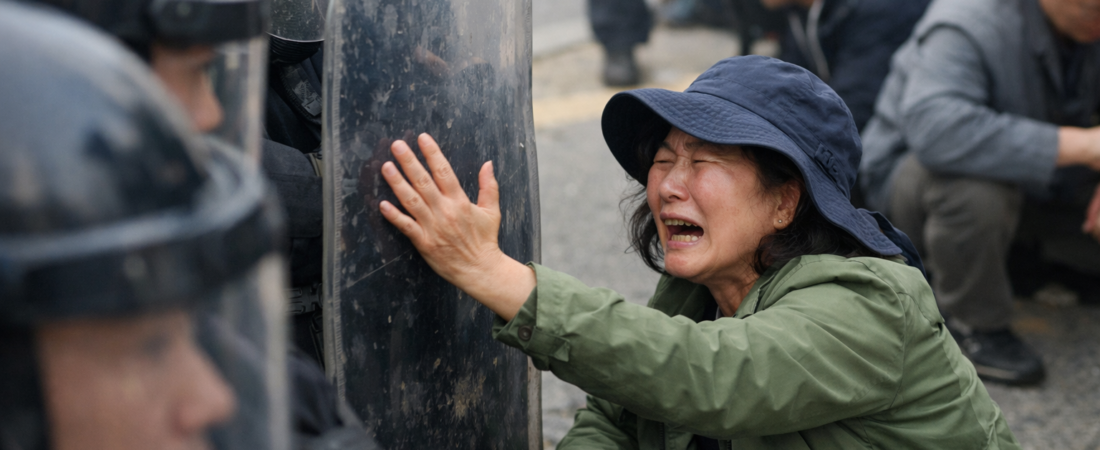
But it would be dishonest to treat her triumph as proof that hardship simply builds character if you try hard enough. For every Lee Kyung-ae who found her way to a national stage, countless others facing similar poverty in postwar Korea did not have the same opportunities, mentors, or luck to reach it.
Individual grit matters, yet it rarely works alone; it needs some door left open somewhere along the way.
This is where the more hopeful part of the story comes in. Korea today invests seriously in culinary education, cultural heritage programs, and apprenticeship systems that did not exist when Lee Kyung-ae was a hungry child digging for ginger.
Institutions now actively seek out and support the next generation of traditional cooks before poverty forces them out of the field entirely. Her story becomes most meaningful not as proof that struggle alone builds masters, but as a reminder that talent deserves support wherever it is found — and that Korea, slowly, is building more of those doors.
Lee Kyung-ae’s legacy now extends beyond her own kitchen. Younger chefs studying yaksun cuisine look to her as proof that traditional Korean cooking still has a future worth investing in.
Her three Presidential Awards will likely inspire institutions to keep funding programs that protect this kind of cultural knowledge. If Lee Kyung-ae’s early life teaches anything, it is that talent can survive in the harshest conditions, but it should never have to.
What do you think Korea should do next to support artisans who, like Lee Kyung-ae, start with almost nothing?
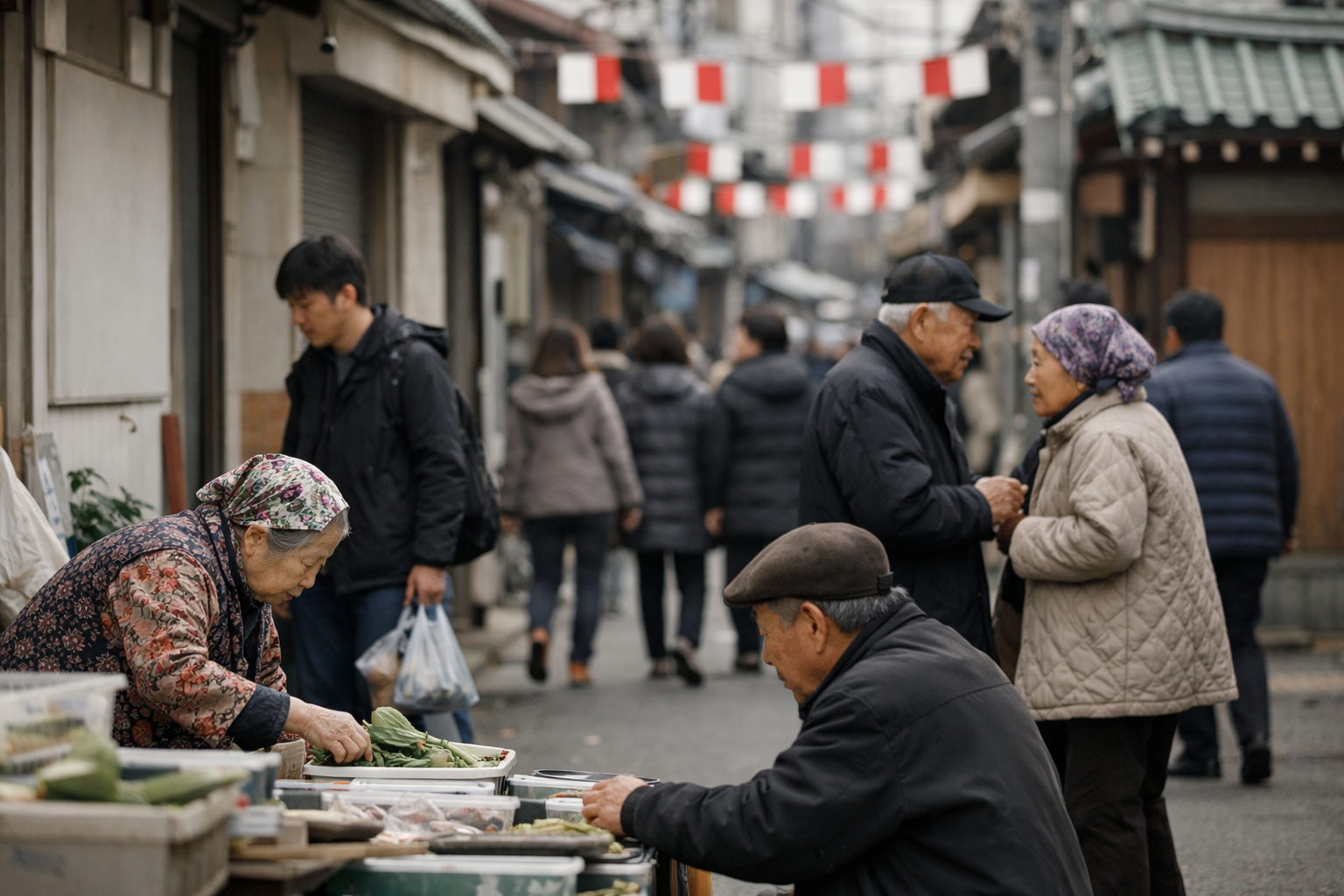
AI-Generated Photorealistic Image — All people, scenes, and details in this image are entirely AI-generated and fictional. Not a real photograph of an actual person or event. 이 이미지는 AI로 생성된 가상 이미지입니다.

Leave a Reply