
Table of Contents
Lee Seung-gi has won another lawsuit against his former agency, Hook Entertainment, now known as Choroktbaem Media. A South Korean court ruled that revenue tied to his old exclusive contract must still be shared, even after that contract ended. This marks the latest victory for Lee Seung-gi in a settlement dispute stretching back years.
Is this really the end of a saga that started long before most fans expected? Not quite, but it does move the needle firmly in Lee Seung-gi’s favor. Let’s break down what happened, why it matters, and what it means for the wider entertainment industry.
Lee Seung-gi Wins Again in Court
According to Yonhap News Agency, the court sided with Lee Seung-gi in his ongoing settlement dispute. The judgment reportedly confirmed that profits generated under the original contract must be divided, even after termination. This is not the first time Lee Seung-gi has prevailed in this fight.
You might wonder why this case has dragged on so long. Contract disputes involving Korean entertainment agencies often take years to resolve. Multiple layers of revenue, from music royalties to advertising deals, make these settlements incredibly complicated to untangle.
The court’s decision reportedly focused on one key principle. Revenue earned from work completed during the contract period still belongs, in part, to the artist. Lee Seung-gi’s legal team argued this point consistently, and the court agreed once again.
The Backstory Behind This Dispute

Lee Seung-gi’s conflict with Hook Entertainment became public knowledge back in 2023. He accused the agency of withholding settlement payments related to album sales and other revenue streams. This sparked a wider conversation across Korea about how entertainment companies treat their artists financially.
Do you remember how big this story became at the time? Fellow artists and industry insiders spoke out in support of Lee Seung-gi. Many said his case exposed problems that had existed quietly for years.
Hook Entertainment later underwent a corporate change, rebranding as Choroktbaem Media. Despite this shift, the legal obligations from the earlier contract period remained tied to the company. Courts have consistently held that a company’s name change does not erase its financial responsibilities.
Lee Seung-gi has pursued this matter through multiple legal actions since 2023. Each ruling so far has reinforced the same basic idea. Settlement money owed under an old contract does not simply disappear once that contract ends.
Why This Ruling Matters for K-pop Contracts

This case does more than resolve one artist’s dispute. It sets a meaningful precedent for how Korean courts interpret exclusive contracts in the entertainment industry. Many young performers sign complex, long-term deals early in their careers, often without full understanding of the fine print.
Should every rising star need a legal team just to protect their earnings? That question feels more urgent after cases like this one. Korea’s entertainment industry has grown into a global export machine, yet contract transparency has not always kept pace with that growth.
Industry watchers note that Lee Seung-gi’s case has already influenced how new contracts are written. Agencies are reportedly adding clearer language about post-termination revenue sharing. That is a meaningful shift, even if it took a public legal battle to get there.
The Korean entertainment industry has built its global reputation on talent and hard work. Yet talent alone rarely protects an artist from a poorly worded contract clause. Real progress happens when public pressure and legal clarity work together, and this case shows both forces in action.
What Comes Next for Lee Seung-gi
Lee Seung-gi continues his music and acting career while this legal chapter plays out. His persistence has turned a personal financial dispute into a broader industry conversation. Fans have largely rallied behind him throughout the process.
What does a case like this tell us about fairness in creative industries? Contracts exist to protect both sides, yet power often sits unevenly between a young performer and an established company. That imbalance is not unique to Korea, but the entertainment industry’s fast growth here has made the problem more visible.
There is something genuinely hopeful in watching one artist’s persistence reshape industry norms for everyone who comes after him. At the same time, it says something sobering that meaningful change often requires years of legal battles rather than simple goodwill from powerful institutions. Real fairness usually grows slowly, built case by case, until it becomes the expected standard rather than the exception.
Lee Seung-gi’s story reminds us that accountability and hope can coexist within the same struggle. The court did not just rule in favor of one artist; it reaffirmed a principle that protects many others quietly watching from the sidelines. That quiet ripple effect may end up mattering more than the settlement amount itself.
Korea’s entertainment world is often celebrated for producing global stars almost on demand (as if idols were manufactured on a very glamorous assembly line). But behind the polished performances sit real people navigating real contracts, and Lee Seung-gi’s legal wins suggest that scrutiny is finally catching up with the spotlight. Where do you think the balance between artist protection and business interests should sit in Korea’s entertainment industry?
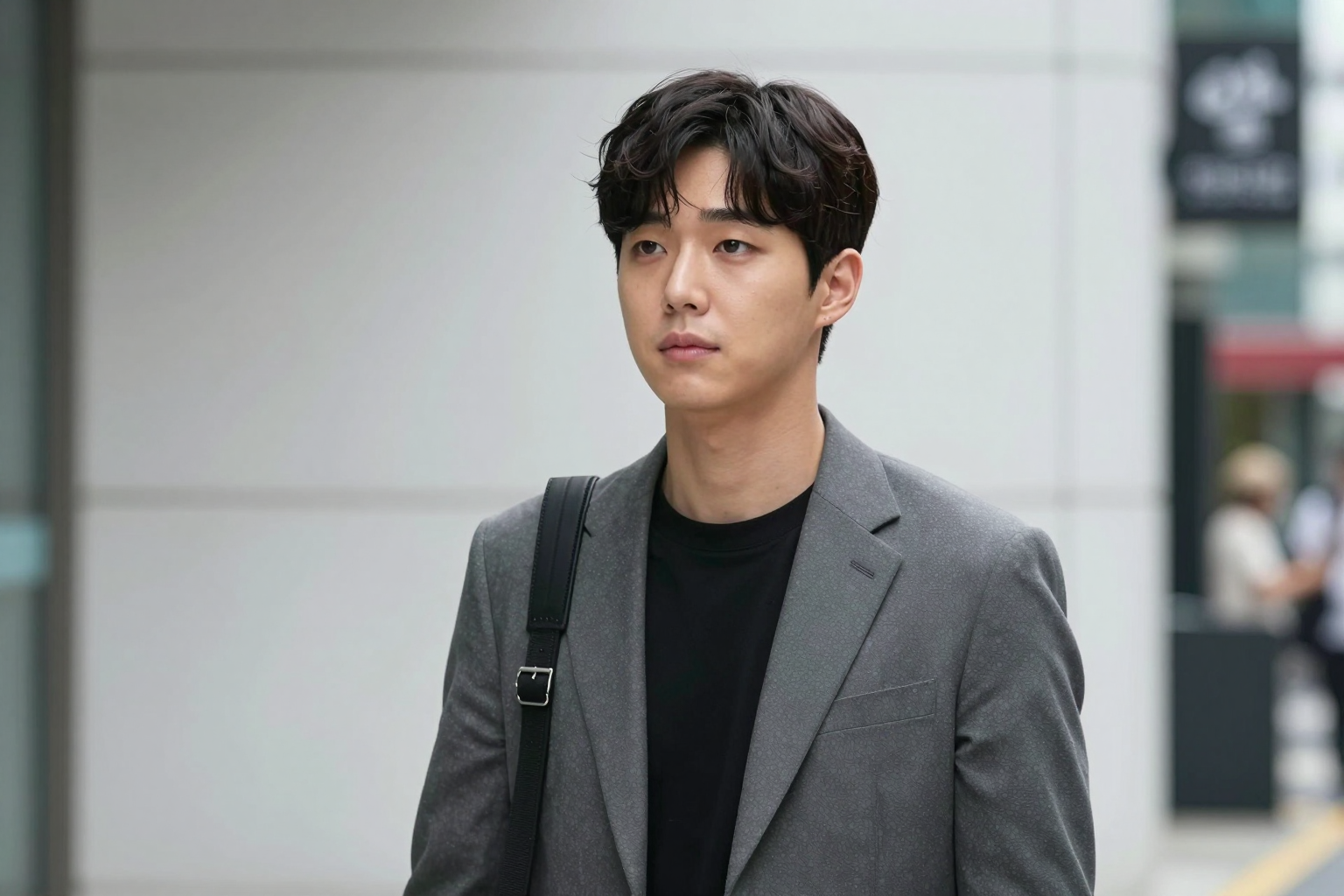
AI-Generated Photorealistic Image — All people, scenes, and details in this image are entirely AI-generated and fictional. Not a real photograph of an actual person or event. 이 이미지는 AI로 생성된 가상 이미지입니다.



Leave a Reply