Table of Contents
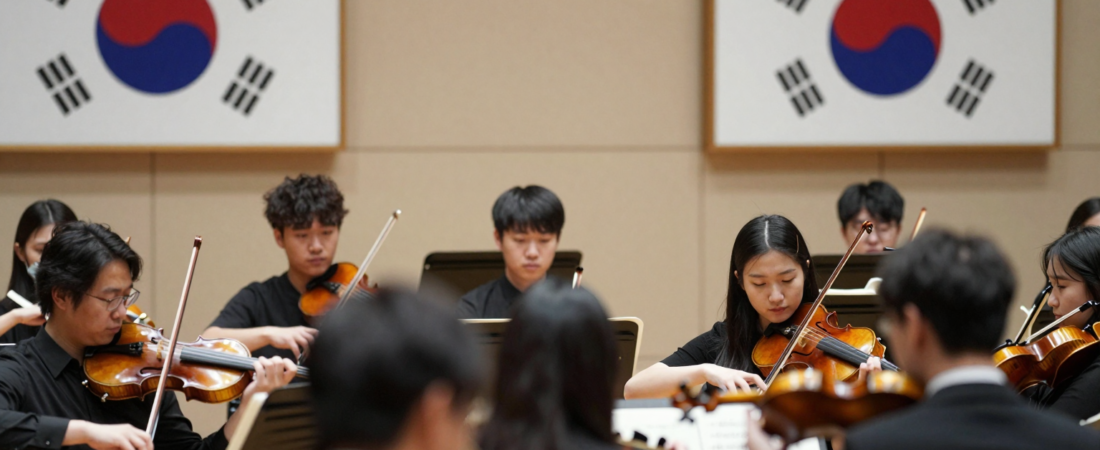
The National Symphony Orchestra of Korea (Guknip Simponi Ochestra) will present a new work titled “Empress,” written by a Korean-American composer to musically respond to Beethoven’s famous “Emperor” concerto. The concert also features Brahms, spanning over 200 years of symphonic history in a single program. It will be performed by the orchestra’s youth ensemble, the National Symphony Concert Orchestra (KNCO).
Have you ever wondered what happens when a modern composer talks back to a 19th-century master? That is exactly what this concert promises. The National Symphony Orchestra of Korea has built a program where old and new music sit side by side, almost in conversation.
A New Symphony Answers Beethoven
The centerpiece of this program is a new orchestral work called “Empress.” It was written by a Korean-American composer as a direct response to Beethoven’s Piano Concerto No. 5, nicknamed “Emperor.” This kind of musical dialogue does not happen often on Korean stages.
Why call a new piece “Empress” against Beethoven’s “Emperor”? The title suggests balance, even a gentle correction of history. Classical music has long been dominated by European men writing for European audiences, so a contemporary answer from a Korean-American voice feels like more than just clever naming.
The National Symphony Orchestra of Korea chose this pairing carefully. It places a living composer’s perspective next to one of the most performed piano concertos in the world. That contrast alone gives the concert its emotional weight.
Who Is the National Symphony Orchestra of Korea
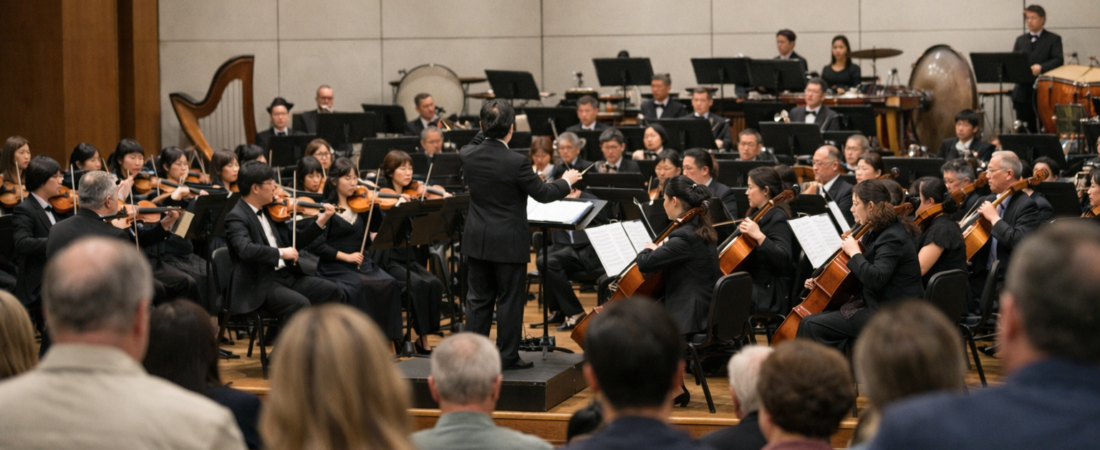
The National Symphony Orchestra of Korea is one of the country’s leading classical music institutions. It operates several affiliated ensembles, including a training program for younger musicians called the National Symphony Concert Orchestra, or KNCO. This youth wing exists to give musicians in their twenties and thirties real performance experience on a major stage.
Founded to support Korea’s growing classical music scene, the National Symphony Orchestra of Korea has built a reputation for ambitious programming. It does not just play the standard repertoire. It regularly commissions new works, supports young talent, and connects Korean audiences to global musical conversations.
That mission matters here. This concert is not simply a recital of familiar Beethoven and Brahms pieces. It is a statement about where classical music is heading, told through the lens of a Korean institution investing in its next generation.
You can learn more about ongoing programs from institutions like this through outlets such as Maeil Business Newspaper, which regularly covers Korea’s classical music scene.
Young Musicians, Two Centuries of Music
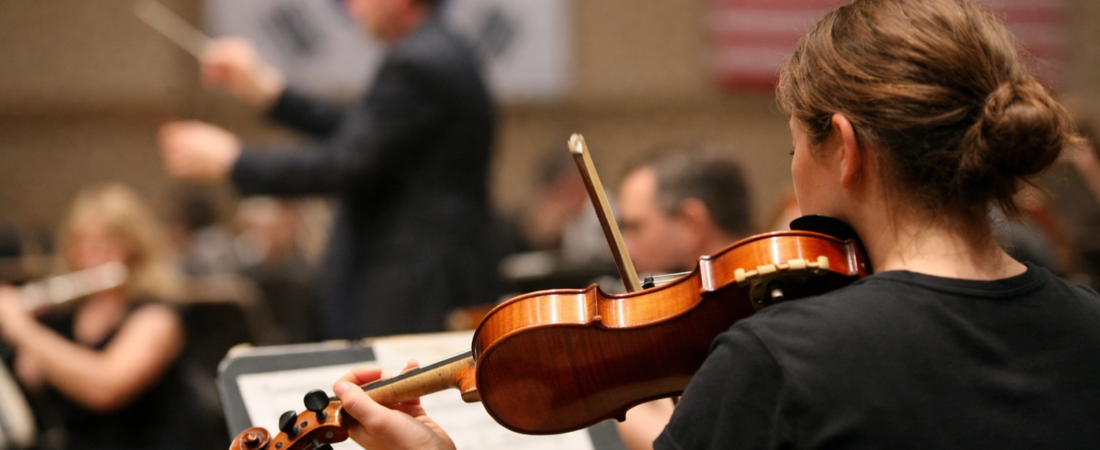
What makes this concert unusual is its scope. The KNCO ensemble is performing a program that stretches from a brand-new 2026 composition all the way back to Beethoven and Brahms. That is roughly two centuries of symphonic tradition in one evening.
Think about what that means for the musicians themselves. These are performers in their twenties and thirties, interpreting music written by people who lived and died long before recorded sound existed. Then, in the same breath, they premiere a piece written by someone alive today, facing the same instruments and the same hall.
Korean classical training has a reputation for rigor (ask any parent who has driven a child to weekend music lessons for a decade). But rigor alone does not explain artistic maturity. It takes real interpretive freedom to make two centuries of music feel connected rather than disjointed, and that is the real test this concert sets for its young players.
The National Symphony Orchestra of Korea seems to trust that younger musicians can carry that weight. Giving 2030-generation performers a program this ambitious is itself a statement about confidence in the country’s musical future.
Why This Concert Matters Beyond Korea
Classical music worldwide faces a familiar question: how does an art form built on 18th and 19th century masterpieces stay relevant today? Every major orchestra grapples with aging audiences and shrinking arts budgets. The National Symphony Orchestra of Korea is offering one possible answer, pairing heritage repertoire with new commissions from diverse voices.
Is this the right model for other orchestras to follow? There is no single formula for keeping classical music alive, and any institution claiming otherwise oversells its own solution. But placing a Korean-American composer’s new work directly beside Beethoven does something honest: it admits that the canon is not finished, while still honoring what came before it.
That tension between honoring tradition and making room for new voices shows up everywhere, not just in concert halls. Families argue over which customs to keep and which to let go. Communities debate how much of the past should shape the future.
The quiet lesson here is that neither extreme works well alone. Clinging only to the old risks irrelevance, while chasing only the new risks losing what gave the art form its depth in the first place. What the National Symphony Orchestra of Korea seems to understand is that dignity lives in both directions, in the reverence for Beethoven and in the courage to answer him.
Korean orchestras are not alone in this balancing act, and that is worth remembering. Around the world, institutions are quietly finding ways to let old and new coexist rather than compete. This concert, modest as it may seem on paper, is one small piece of that larger, hopeful pattern.
Classical music in Korea is clearly not standing still. The National Symphony Orchestra of Korea is betting that audiences want both memory and invention in the same evening. What do you think about pairing a brand-new composition directly against a beloved classic like Beethoven’s “Emperor”?
AI-Generated Photorealistic Image — All people, scenes, and details in this image are entirely AI-generated and fictional. Not a real photograph of an actual person or event. 이 이미지는 AI로 생성된 가상 이미지입니다.




Leave a Reply