Table of Contents
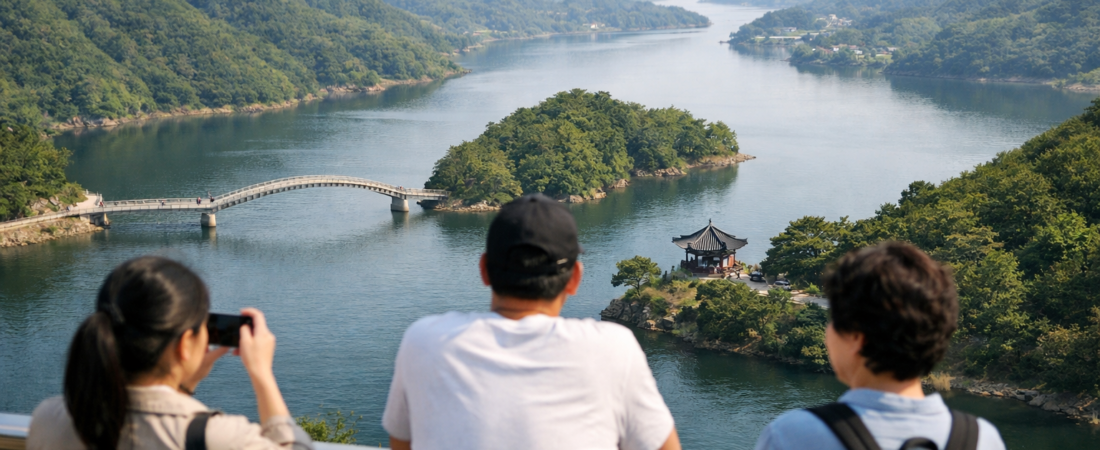
Have you ever seen a lake bloom with a different flower every season? At Okjeong Lake in Imsil, North Jeolla Province, that’s not a poetic exaggeration.
This once-quiet reservoir is now drawing crowds year-round, and local officials call it a rising eco-tourism mecca. Okjeong Lake sits at the heart of a bigger story about small Korean towns fighting to stay alive.
What Makes Okjeong Lake a Four-Season Flower Kingdom
Okjeong Lake was built decades ago as a reservoir, mainly for water supply and flood control. Few people visited it for fun back then.
Today, the story looks completely different. Cherry blossoms open along the shoreline in spring, followed by lotus flowers in summer, then golden foliage in autumn, and quiet snow-dusted views in winter.
Local officials have nicknamed it a “flower palace for all four seasons,” and the name fits. Why does a single lake attract so much attention across every season?
The answer lies in careful planning. Imsil County has invested in walking trails, observation decks, and seasonal flower gardens specifically designed around Okjeong Lake’s natural curves and misty mornings.
The lake is also famous for its fog, which rolls over the water at sunrise and creates a dreamlike scene. Photographers travel from Seoul just to capture this single moment, and honestly, the lake seems to know it has good lighting.
From Quiet Reservoir to Eco-Tourism Mecca
Reservoirs rarely become tourist destinations. Most people think of them as utility infrastructure, not vacation spots.
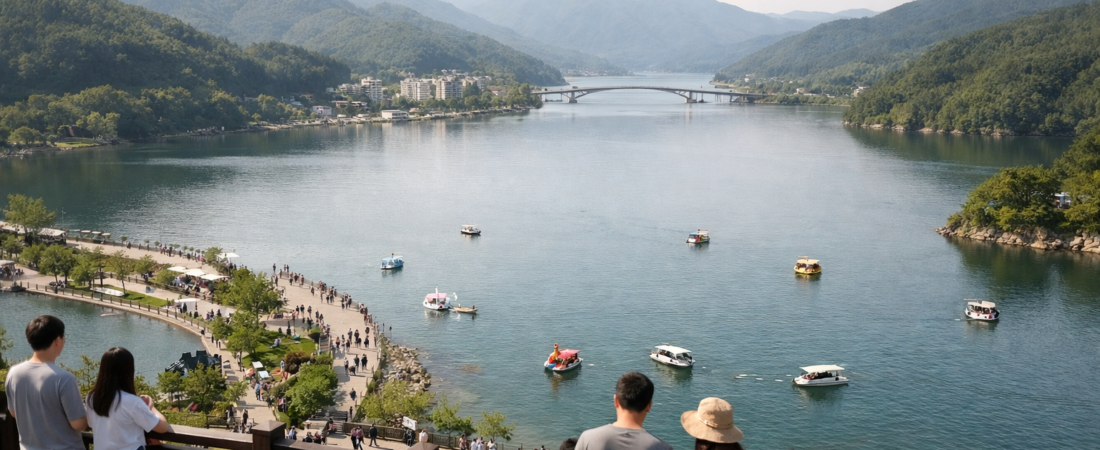
Okjeong Lake breaks that pattern. Local authorities have transformed it into a genuine eco-tourism mecca by combining nature trails, cultural storytelling, and carefully managed visitor facilities.
This shift didn’t happen overnight. It took years of planning, small investments, and a clear vision that Okjeong Lake could offer something more than water storage.
According to Yonhap News Agency, the surrounding trails now feature curated viewpoints that highlight the lake’s changing colors throughout the year. Visitors can walk suspension bridges, cycle along the water’s edge, or simply sit and watch the fog lift.
Each activity connects back to the same core resource: the lake itself. That focus helps Okjeong Lake stand out from generic countryside attractions that try to offer everything and end up memorable for nothing.
Local tourism content now includes guided ecology tours, seasonal photography events, and storytelling programs about the lake’s history. These additions turn a simple scenic stop into a full-day destination worth the drive from bigger cities.
Fighting Regional Decline Through Local Rediscovery
Rural Korea faces a serious problem. Low birth rates, aging populations, and young people leaving for cities have pushed many small counties toward what experts call regional extinction risk.
Imsil is no exception. So how does a lake help solve a demographic crisis this deep?
The honest answer is that Okjeong Lake alone cannot reverse population decline. No single tourist site can rebuild schools, restart local economies, or bring back every young family that already left for Seoul or Busan.
That critique matters, and pretending otherwise would be dishonest. But something real is happening here too, and it deserves attention rather than dismissal.
Tourism revenue from Okjeong Lake now supports local businesses, seasonal jobs, and small guesthouses that would otherwise struggle to survive. Some young Koreans have even returned to Imsil specifically to open cafes and eco-tour companies built around the lake’s growing reputation.
This is the quiet, unglamorous work of rebuilding a community—one visitor, one small business, one returning resident at a time. It won’t make headlines the way a population boom would, but it represents something genuine: people choosing to invest their effort in a place others had written off.
The same closeness that makes small towns like Imsil feel warm and welcoming can also mean limited opportunity, fewer choices, and quiet pressure on those who stay. Community resilience here isn’t a fairy tale ending.
It’s a slow, patient effort, built by residents who believe their hometown still has something worth showing the world. Okjeong Lake didn’t fix Imsil’s deeper challenges, but it gave people a reason to try, and that reason is spreading to neighboring towns now exploring similar strategies.
Planning Your Visit to Okjeong Lake
If you’re considering a trip, timing matters. Each season at Okjeong Lake offers a completely different experience, so your visit should match what you actually want to see.
Spring brings cherry blossoms and mild weather, making it the most popular time to visit. Summer offers lush greenery and lotus blooms, though the heat can be intense in the afternoon.
Autumn transforms the hillsides around Okjeong Lake into deep reds and oranges, arguably the most photogenic season of all. Winter is quieter, with fewer crowds and a stark, peaceful beauty that appeals to visitors seeking solitude.
Getting there requires some planning since Imsil isn’t directly connected to Korea’s major train lines. Most visitors drive from Jeonju, the provincial capital, which takes less than an hour by car.
Public bus connections exist too, though schedules are limited, so checking times in advance saves frustration. Once you arrive, plan for at least half a day to properly explore the trails, viewpoints, and lakeside cafes that have opened in recent years.
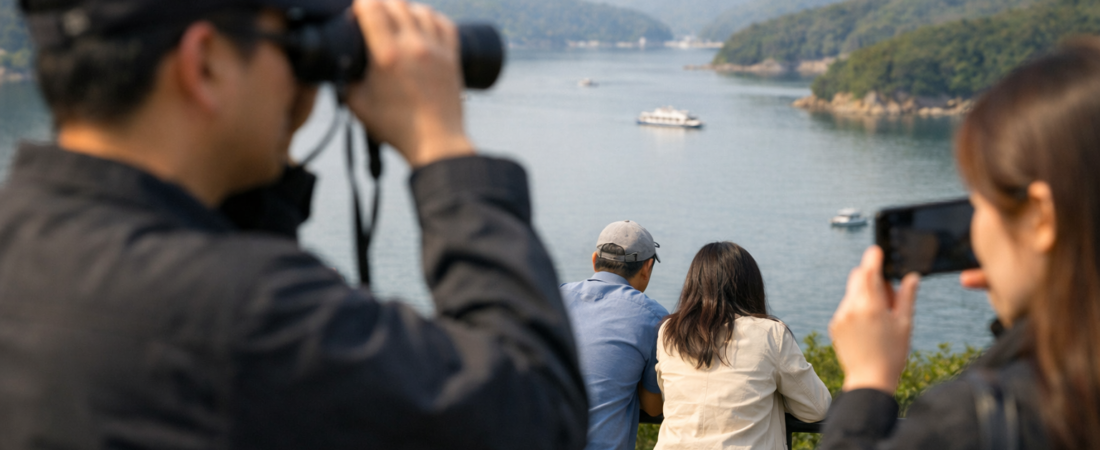
Local guides recommend early morning visits to catch the famous fog before it burns off by midday. Bring a camera, comfortable shoes, and maybe a little patience for the mist to cooperate—Okjeong Lake rewards those who show up at the right hour.
Looking ahead, Imsil County plans to expand walking infrastructure and add more seasonal programming around Okjeong Lake. If these efforts succeed, this small reservoir town may become a model for other struggling regions across Korea.
What do you think—can local rediscovery projects like Okjeong Lake truly help save Korea’s shrinking small towns?
AI-Generated Photorealistic Image — All people, scenes, and details in this image are entirely AI-generated and fictional. Not a real photograph of an actual person or event. 이 이미지는 AI로 생성된 가상 이미지입니다.

Leave a Reply