Olympos Guardian Returns Thanks to Odyssey Fever
Olympos Guardian, the animated series that captivated Korean kids two decades ago, is trending again. The film Odyssey’s massive box office run has pulled the old show, and its companion comic Greek and Roman Mythology in Comics, back into the spotlight. Korean social media is buzzing with nostalgia this month.
If you grew up in Korea in the early 2000s, chances are you remember Olympos Guardian. It aired on SBS between 2002 and 2003, teaching an entire generation about Zeus, Athena, and Hercules through colorful animation. Now, thanks to Odyssey’s success, that memory is resurfacing everywhere.
Why does a movie about Greek mythology suddenly revive a children’s cartoon from 20 years ago? The answer lies in shared cultural memory. Korea’s education-driven pop culture has always blended learning with entertainment, and Olympos Guardian was one of its clearest examples.
Why Olympos Guardian Mattered to a Generation
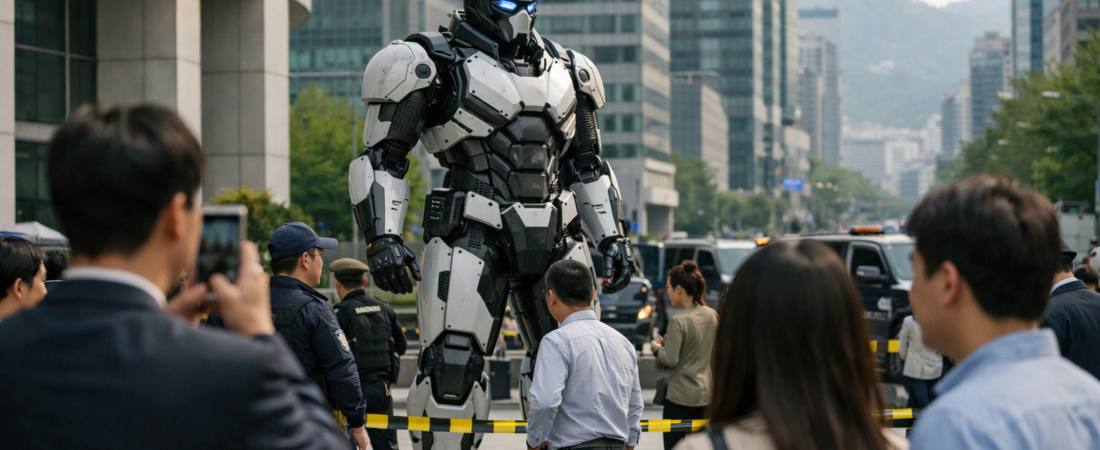
Producer Kwon Young-sook, who worked on the original SBS broadcast, recently shared her memories with reporters. She said the comic book and the animation were so popular that almost no child avoided them. That is a bold claim, but anyone who was in elementary school back then knows it rings true.
The learning-comic series Greek and Roman Mythology in Comics, published by Gana Publishing, was practically required reading in many households. Parents bought it for education. Kids read it for the drama, the monsters, and the gods behaving badly.
Olympos Guardian built on that foundation with full animation, giving Greek mythology a Saturday-morning cartoon treatment. Together, the comic and the show formed a kind of unofficial curriculum. Have you ever noticed how the stories that teach us something also tend to stick with us the longest?
That combination of education and entertainment explains why Olympos Guardian is resurfacing now. It was not just a cartoon. It was a shared reference point, the kind that generations use to bond over “remember when.”
The Odyssey Effect on Korean Pop Culture
Odyssey’s box office run has done more than sell tickets. It has reactivated a whole ecosystem of nostalgia connected to Greek mythology in Korea. Search interest in Olympos Guardian has spiked, and older fans are sharing clips online.
This pattern is not new. Korean audiences often respond to a big new release by revisiting the older content that first introduced them to a theme. Think of it as cultural archaeology — one hit film, and suddenly everyone is digging up their childhood cartoons.
SBS, the broadcaster behind the original series, is reportedly considering whether to rebroadcast Olympos Guardian. That is a notable response to fan demand. But according to the network itself, actually scheduling a rerun is proving difficult.
Broadcast slots are limited, and older animation does not always fit neatly into today’s programming grid. Licensing rights, current schedule commitments, and production-era masters can all complicate a simple rerun decision. This gap between fan enthusiasm and broadcast reality says something about how Korean media companies manage legacy content today.
What Olympos Guardian Nostalgia Reveals About Korean Culture
Nostalgia is rarely just about the past. It says something about what people need in the present. The renewed interest in Olympos Guardian shows how deeply shared childhood media shapes adult identity in Korea, especially among millennials now in their 30s.
There is a real limitation here worth naming honestly. Broadcasters like SBS often cannot meet the demand nostalgia creates, because rebroadcasting decisions depend on business calculations, not sentiment. That gap can feel disappointing to fans who simply want to relive a piece of their childhood on television again.
Yet within that same gap lies something hopeful. Streaming platforms and video-sharing sites now let fans revisit Olympos Guardian clips on their own terms, without waiting for a network’s permission. Communities have already begun organizing informal watch-alongs and sharing old episodes, keeping the story alive even when official channels move slowly.
This tells us something quietly true about how memory works in any culture. We cannot always control whether the past gets a proper stage again. But we can still choose to carry it forward together, informally, imperfectly, and that shared effort often matters more than the official rerun ever would.
For readers outside Korea, this moment offers a small window into how deeply animated shows can shape a nation’s shared vocabulary. Odyssey may be new, but Olympos Guardian shows how old stories quietly wait their turn to matter again.
You can read more about the film’s cultural impact via Kyunghyang Shinmun, the original source covering this Olympos Guardian revival.
So, does your own childhood have a cartoon like Olympos Guardian waiting to be rediscovered? What do you think sparks these waves of nostalgia in your own culture?
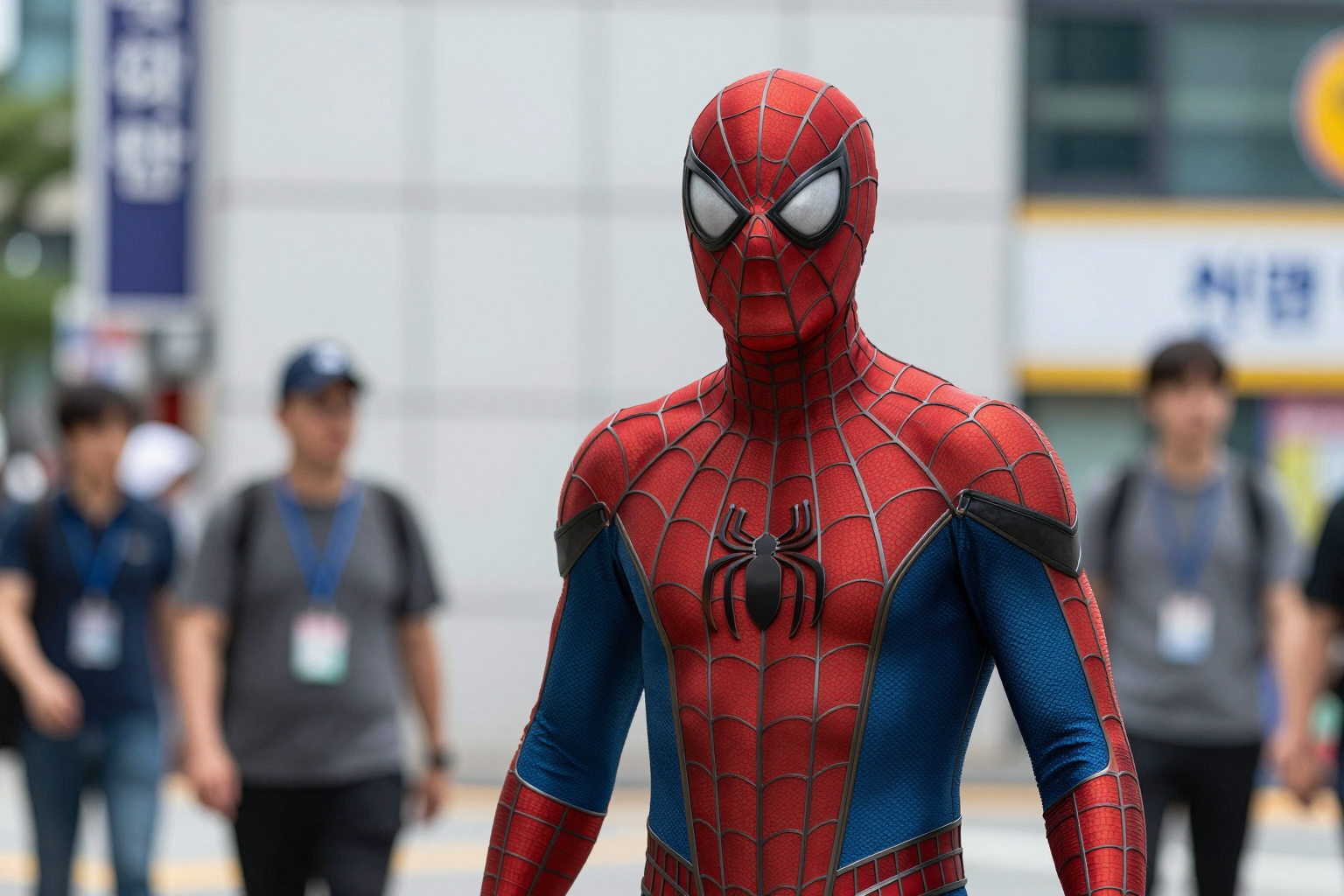
AI-Generated Photorealistic Image — All people, scenes, and details in this image are entirely AI-generated and fictional. Not a real photograph of an actual person or event. 이 이미지는 AI로 생성된 가상 이미지입니다.


Leave a Reply