
Table of Contents
Poet Park Jun has published a new essay collection introducing 68 poems by 67 Korean poets, spanning a century of modern Korean poetry. The book, titled Indifferent to Joy, Indifferent to Sorrow, pairs each poem with a personal essay rather than a formal interpretation. Park Jun calls this approach “misreading,” inviting every reader to take the poem their own way.
Have you ever finished a poem and felt completely lost, unsure what it “really means”? You are not alone, and Park Jun would probably tell you that is perfectly fine. His new book turns that confusion into an invitation instead of a failure.
Who Is Park Jun and Why He Matters
Park Jun is one of South Korea’s most widely read contemporary poets. His earlier poetry collections have sold well beyond typical poetry numbers, a rare feat in a genre often seen as niche.
That popularity gives his opinions on Korean literature real weight. When Park Jun talks about the history of modern Korean poetry, readers and critics alike tend to listen.
This new project is not a poetry collection of his own work. Instead, Park Jun steps into the role of a guide, walking readers through a century of Korean verse.
You could think of him as a museum docent, except the museum is made entirely of words. And instead of pointing at a painting and explaining its brushstrokes, he simply says: here is what this poem once made me feel.
A Forest of a Hundred Years: The Book’s Concept

Park Jun describes Korean literary tradition using a simple image. He calls it a forest, built from many individual trees, each one a single poem or poet.
No single tree defines the whole forest, he suggests. Yet without each tree, the forest itself would not exist.
This metaphor shapes the entire structure of the book. Rather than ranking poets or crowning a single “greatest” work, Park Jun treats modern Korean poetry as one connected ecosystem.
Why does this matter for readers outside Korea? Because it reframes an unfamiliar literary tradition as something approachable, not intimidating.
You do not need a graduate degree to walk into a forest and notice a beautiful tree. The same goes for these 68 poems, Park Jun argues.
The book covers roughly a hundred years of modern Korean poetry, starting from its early twentieth-century origins. This period includes massive social upheaval: colonial rule, war, division, and rapid modernization.
Korean poets wrote through all of it, often using metaphor to say what could not be said directly. Understanding that history adds depth to how you read even a single short poem.
Misreading as an Art: How Park Jun Guides Readers

At the press conference announcing the book, held at a cafe in Seoul’s Jongno district, Park Jun explained his central idea. He does not offer official interpretations of the 68 poems included.
Instead, he adds personal essays describing his own reaction, memory, or association triggered by each piece. He openly calls this practice “misreading,” a deliberate departure from academic analysis.
Why choose to misread on purpose? Because Park Jun believes a poem does not fully belong to its author once it reaches a reader.
His own phrase captures this philosophy well: “the person who reads it gets to keep all of it.” That single sentence flips the usual power structure in literature.
Normally, critics or teachers tell you what a poem means, and you accept or reject their reading. Park Jun instead hands the poem directly to you, encouraging your own private, even inaccurate, response.
This approach has real precedent in reader-response literary theory, which argues meaning is created jointly by text and reader. Park Jun is not inventing this idea from nothing, but he is popularizing it for a mainstream Korean audience in an unusually personal, essay-driven format.
If you want to read more about the original press conference details, you can check Kyunghyang Shinmun for the full report.
Why Modern Korean Poetry Deserves a Global Audience
Korean poetry has a complicated relationship with global readers. Korean fiction and film have crossed borders successfully, but poetry often gets left behind, partly because so much depends on rhythm and wordplay that resists translation.
Park Jun’s book will likely stay untranslated for most non-Korean readers for now. Still, the underlying idea travels well beyond language: literature survives because ordinary readers keep bringing their own lives to it.
There is something worth sitting with here. A poem written in 1930s colonial Korea and a poem written last decade sit side by side in this book, treated as equally alive, equally capable of speaking to a stranger a century later.
That continuity is not automatic; it depends on translators, teachers, and curious readers choosing to keep the forest growing rather than letting old trees quietly fall. The real tension is this: literary traditions need institutions to preserve them, yet institutions can also flatten a poem into something dry and untouchable, exactly what Park Jun’s “misreading” method pushes back against.
The hopeful sign is that a mainstream, bestselling poet is choosing accessibility over gatekeeping, inviting casual readers rather than only scholars into the forest.
Human beings have always needed this kind of bridge-building, someone willing to translate difficulty into warmth without pretending the difficulty was never there. Park Jun’s project reminds you that dignity in reading does not require expertise, only honest attention, and that same principle applies far beyond Korean poetry, to any tradition a newcomer might otherwise find closed off.
Modern Korean poetry, then, is not a locked museum. It is closer to an open forest path, and Park Jun is simply the person waving from the trailhead, saying the woods are worth walking into.
What poem, in any language, changed the way you saw your own life? That question, more than any critical theory, might be the real starting point for entering this particular forest.
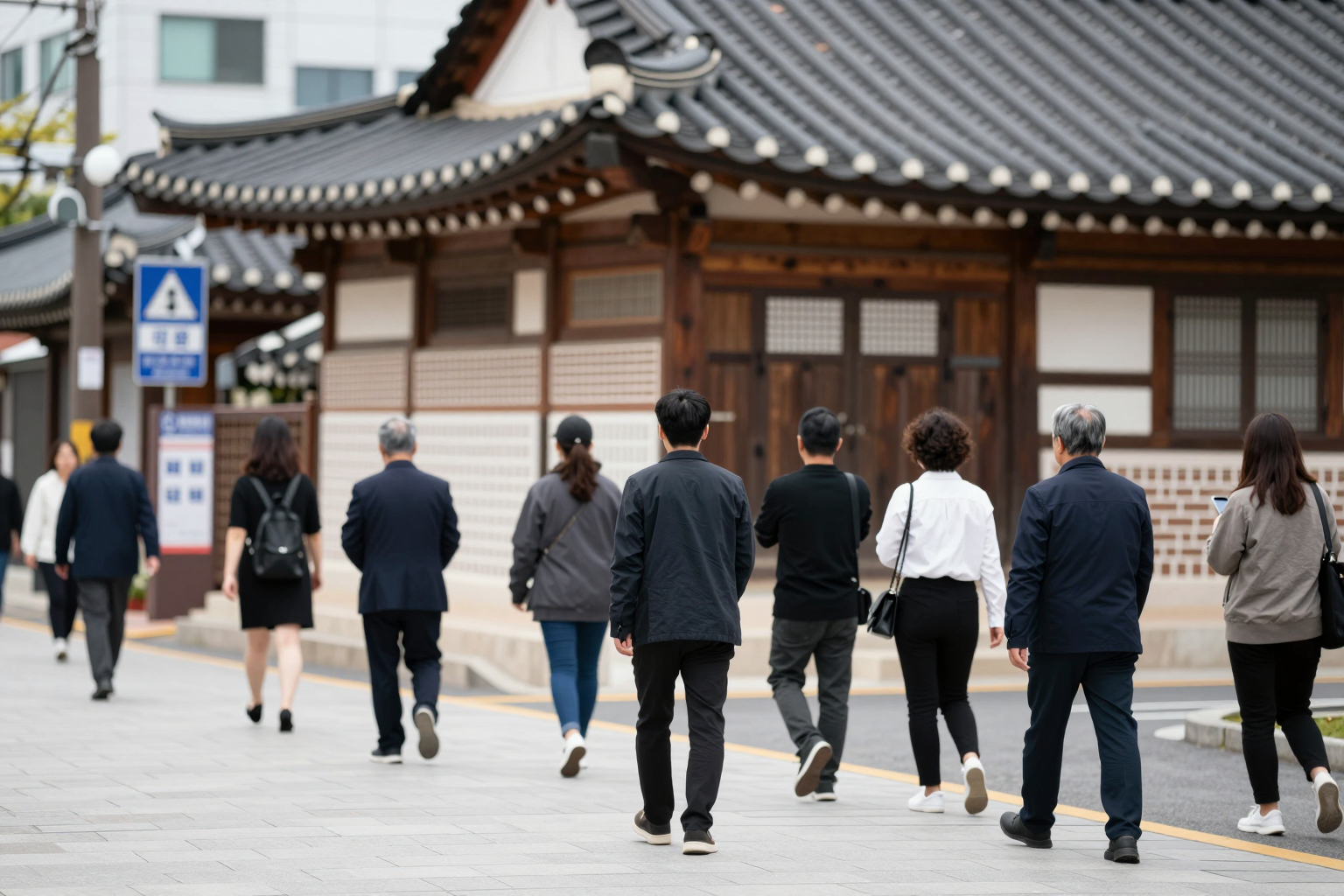
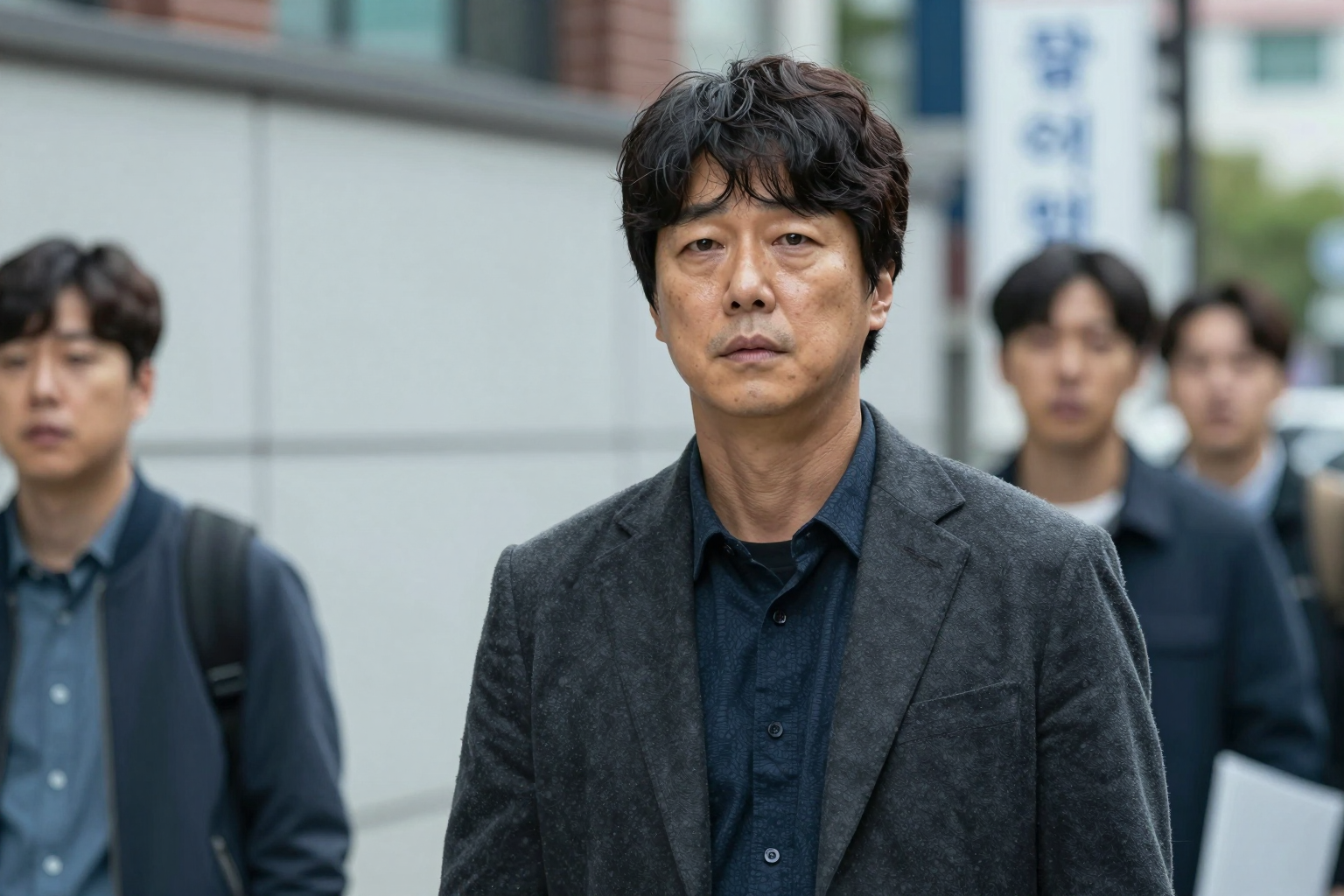
AI-Generated Photorealistic Image — All people, scenes, and details in this image are entirely AI-generated and fictional. Not a real photograph of an actual person or event. 이 이미지는 AI로 생성된 가상 이미지입니다.
Leave a Reply