Table of Contents
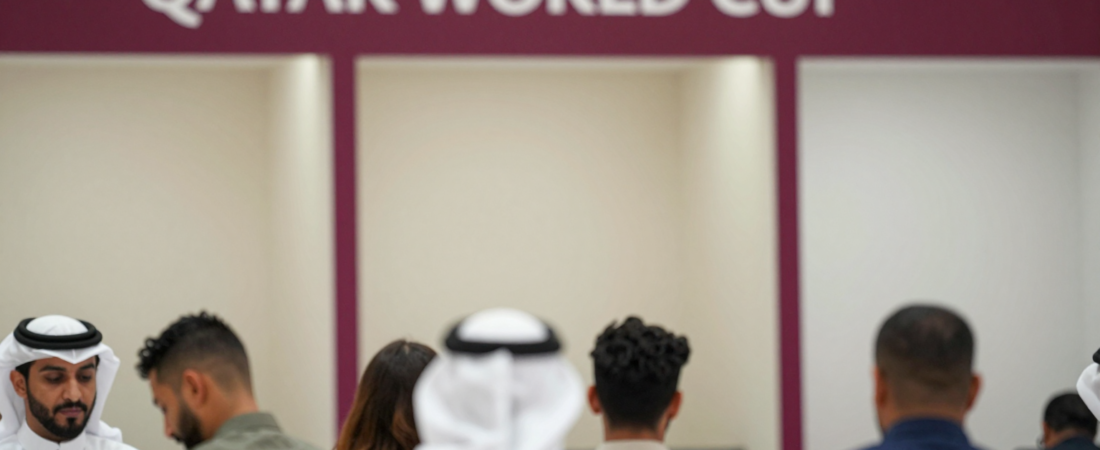
Lionel Messi lifted the World Cup trophy in December 2022 wearing a bisht, a traditional Arab robe. That single image became the defining symbol of the Qatar World Cup, sparking a global debate that a new book explores in sharp detail. The book argues that authoritarian capital, not just soccer talent, shaped this tournament’s biggest moment.
Why does a robe matter so much? Because it wasn’t just clothing.
It was a message, carefully placed on the world’s biggest sports stage. And that message tells you something important about how modern soccer actually works.
The Bisht Moment That Defined the Qatar World Cup
Picture the scene. Messi, exhausted and overjoyed, finally holds the trophy he chased his whole career.
Then, before the world’s cameras, Qatari officials drape him in a bisht. The image circles the globe within minutes.
For many fans, it looked strange, even jarring. Wasn’t this Messi’s moment, not Qatar’s?
That question sits at the heart of the criticism surrounding the Qatar World Cup. Critics argue the robe wasn’t a spontaneous gesture of hospitality.
It was a calculated branding decision, ensuring Qatar’s cultural identity became permanently linked to soccer’s most iconic image. You could call it product placement on a historic scale.
The host nation didn’t just fund the tournament. It inserted itself into the sport’s most sacred memory, and that’s exactly the point the book’s author wants readers to understand.
What Sportswashing Really Means
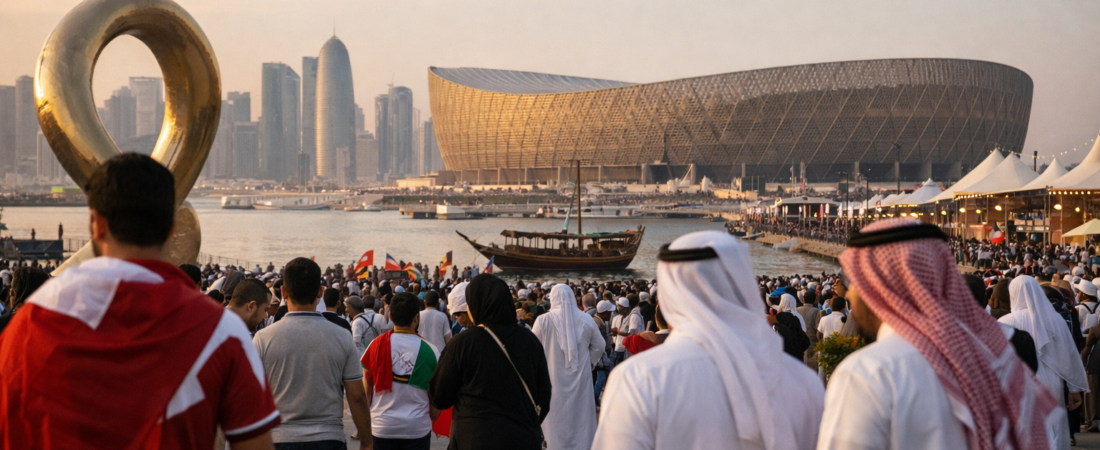
Sportswashing is a term you’ll hear more often in coming years. It describes how authoritarian governments use major sporting events to polish their international image.
Qatar spent an estimated $220 billion preparing for its World Cup. Russia, host of the 2018 tournament, followed a similar playbook years earlier.
Both nations faced serious human rights criticism before hosting. Qatar drew scrutiny over migrant worker deaths during stadium construction, while Russia faced condemnation over its foreign policy actions.
Yet both hosted successful, celebrated tournaments watched by billions. Doesn’t that seem like a strange contradiction?
It isn’t a contradiction at all, according to the book. It’s the entire strategy.
Soccer’s massive global audience gives these governments a stage no diplomat could ever secure. The Qatar World Cup, in this reading, wasn’t really about soccer. It was about rebranding a small Gulf state as a modern, capable, globally respected power, using the world’s most popular game as the vehicle.
FIFA, Oil Money, and an Unfair Playing Field
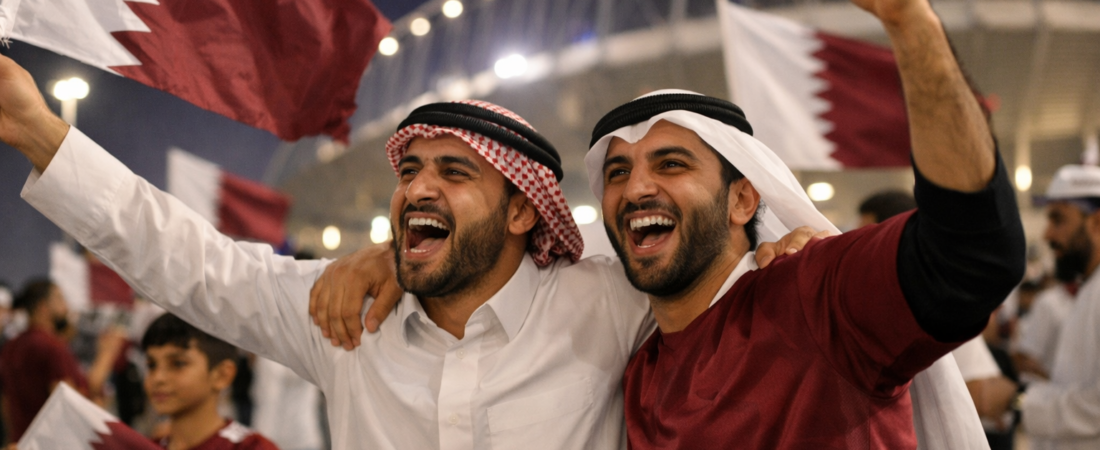
None of this happens without a willing partner. FIFA, soccer’s governing body, controls where the World Cup goes and under what conditions.
Critics have long accused FIFA of prioritizing money over fairness. Qatar’s winning bid in 2010 remains one of the most controversial decisions in the organization’s history.
Oil and gas wealth gave Qatar leverage that poorer nations simply don’t have. Can a small country with no real soccer tradition really out-compete Brazil or England for hosting rights fairly?
The book suggests the answer is no, not without financial influence reshaping FIFA’s decision-making. You can trace a direct line from oil revenue to stadium construction to broadcast rights deals.
Each step reinforces the next, building a system where wealth, not merit, often decides outcomes. For more background on FIFA’s governance controversies, you can review reporting from The Kyunghyang Shinmun.
This isn’t only a Qatar problem, either. Saudi Arabia’s growing investment in global soccer, from club ownership to sponsorship deals, follows the same pattern the Qatar World Cup established.
Money buys legitimacy, and legitimacy buys silence from potential critics. That’s the uncomfortable formula the book lays out for readers.
What This Means for the Future of Soccer
Soccer has always carried political weight, from the 1978 Argentina World Cup under military rule to apartheid-era boycotts. But the scale of the Qatar World Cup marks a new chapter.
Authoritarian capital now shapes not just individual matches but the entire infrastructure of the sport. Stadiums, broadcasting deals, even iconic photo moments can be engineered for political effect.
Fans who simply want to enjoy a match are increasingly forced to reckon with these deeper questions. That’s a heavy burden for something meant to bring joy, isn’t it?
Soccer fandom has always carried real warmth, the shared roar of a stadium, the friendships built over decades of supporting one club. That communal joy is genuine, and it deserves respect, not dismissal.
But the same passion that unites fans can also make them easy to exploit, since intense loyalty rarely asks hard questions about who profits from the spectacle. Recognizing this tension doesn’t require fans to stop loving the game; it simply asks them to watch with clearer eyes.
Some hope lies in growing fan movements and independent journalism pushing for transparency in FIFA’s decision-making. Grassroots supporter groups across Europe have already forced clubs to reconsider ownership deals tied to authoritarian states.
That pressure, small as it seems, shows that accountability remains possible even inside a deeply commercialized sport. Change tends to arrive slowly in soccer, much like a very long extra-time period nobody asked for.
Looking ahead, the next major tournaments will face similar scrutiny. Saudi Arabia’s bid for the 2034 World Cup already echoes many of the same sportswashing concerns raised about Qatar.
Will fans, media, and players demand more transparency next time? Or will the pattern simply repeat itself, robe and all?
The Qatar World Cup taught the soccer world an important lesson about power and image-making. Whether that lesson leads to real reform depends on how much pressure fans and journalists keep applying.
What do you think about the role authoritarian capital now plays in global soccer?
AI-Generated Photorealistic Image — All people, scenes, and details in this image are entirely AI-generated and fictional. Not a real photograph of an actual person or event. 이 이미지는 AI로 생성된 가상 이미지입니다.



Leave a Reply