Table of Contents
What if a city decided that fewer visitors could actually mean more success? That’s exactly the bet Sacheon City in South Gyeongsang Province is making right now.
Sacheon City is shifting its tourism strategy away from simple visitor counts. Instead, officials want travelers to stay longer and spend more inside the local economy.
This move matters if you care about how Korean cities are rethinking tourism beyond Seoul and Busan. Sacheon City is betting that quality beats quantity, and that bet could reshape how smaller Korean destinations compete.
Why Sacheon City Wants You to Stay Longer
For years, many Korean cities chased one simple number: how many tourists came through the gate. More visitors meant more success, or so the thinking went.
Sacheon City is now questioning that formula. Local officials realized that a tourist who stays three hours spends very differently than one who stays three days.
So why change now? Sacheon City’s leadership sees that short day-trip visits create traffic and crowding without generating lasting economic benefit for local shops, restaurants, and guesthouses.
A “stay-type tourism city” model asks a different question. Instead of “how many people came,” it asks “how long did they stay, and how much did they spend while here?”
That distinction sounds small, but it changes everything about how a destination plans its infrastructure, its events, and even its nighttime lighting.
From Counting Visitors to Counting Nights
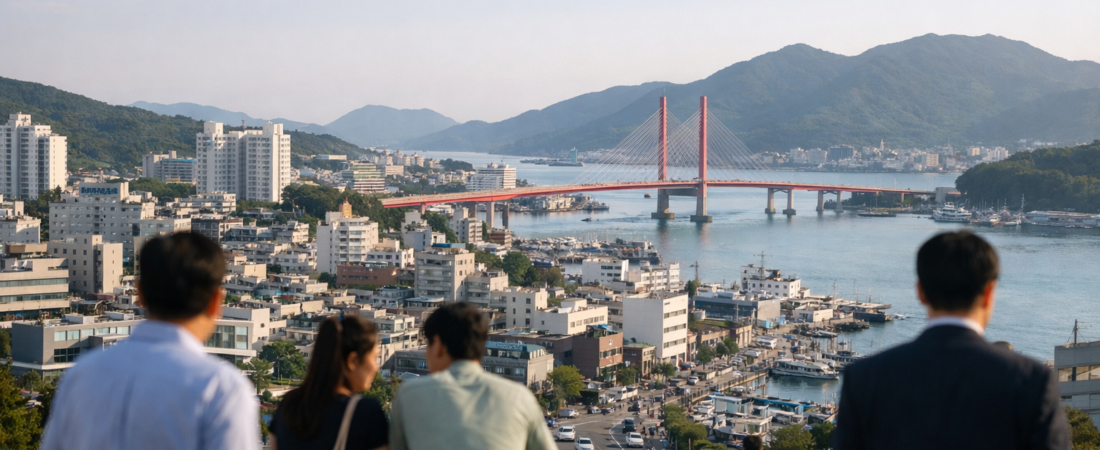
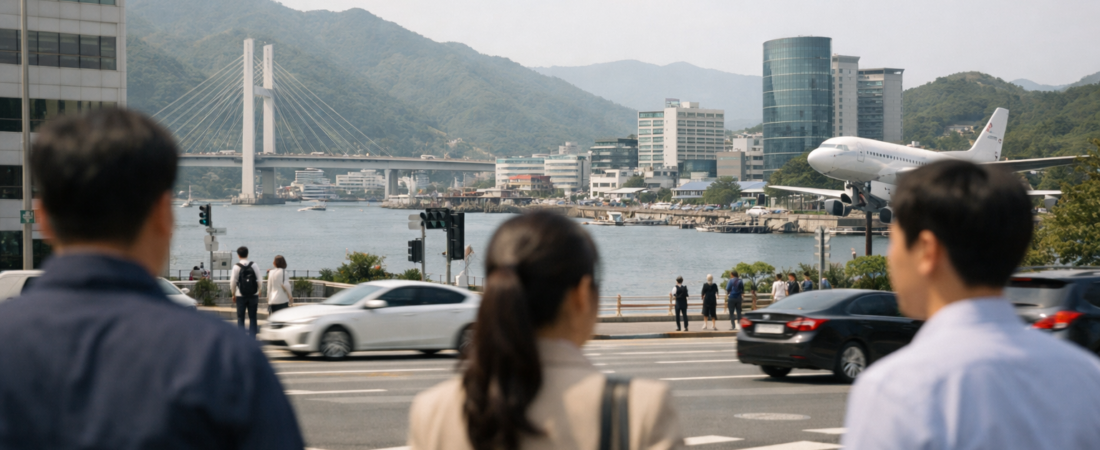
Sacheon City sits on the southern coast of South Gyeongsang Province, known for its aerospace industry and coastal scenery. It has never been a headline tourist name like Jeju Island or Gyeongju.
That’s precisely why this shift matters. Sacheon City doesn’t have the built-in brand recognition of Korea’s biggest destinations, so it needs a smarter strategy, not just a louder marketing budget.
Have you ever visited a place, taken a few photos, and left within hours? That pattern is common across Korea’s smaller coastal towns, and it leaves very little money behind for local businesses.
Sacheon City wants to break that cycle. By encouraging overnight stays, the city hopes tourists will eat more meals locally, book more accommodations, and explore more neighborhoods.
This approach echoes a broader trend across Korea’s regional tourism boards. Many are learning from popular destinations like Jeonju or Tongyeong, where hanok stays and night markets kept visitors around after sunset.
Sacheon City appears to be studying that same lesson closely.
Experience Tourism and Nighttime Content in Sacheon City

Sacheon City’s plan centers on two main pillars: experience-based tourism and nighttime tourism content. Both are designed to fill the hours that once sent tourists home early.
Experience tourism means hands-on activities rather than passive sightseeing. Think cooking classes, fishing village tours, or craft workshops where you actually do something instead of just watching.
Nighttime tourism content addresses a very real gap in many Korean regional cities. Once the sun sets, streets often go quiet, and there’s little reason for a visitor to stick around.
Sacheon City wants to change that by developing night markets, illuminated walking paths, or evening cultural performances. Seoul’s Han River parks and Busan’s night beach festivals have shown how nighttime programming can dramatically extend visitor stays.
Sacheon City seems to be adapting that same logic to a smaller, coastal setting.
Korea’s broader tourism industry has watched this stay-type model with growing interest, and organizations like the Korea Tourism Organization have promoted similar strategies nationwide. Sacheon City’s local approach fits into that larger national conversation about sustainable tourism growth.
Why does this matter beyond one city’s tourism office? Because if Sacheon City succeeds, it becomes a model for dozens of similar mid-sized Korean cities facing the exact same challenge.
What This Means for Your Next Trip to Korea
If you’re planning a Korea trip that goes beyond Seoul, Sacheon City’s new approach could shape your itinerary. Longer stays often mean deeper, more memorable experiences than rushed day trips.
Isn’t that what most travelers actually want anyway? Few people fly across the world just to snap a photo and leave within the hour.
There’s a genuine tension worth naming here, though. Chasing “stay-type tourism” can risk turning authentic local culture into a performance staged mainly for visitors, and that trade-off deserves honest attention rather than quiet dismissal.
At the same time, thoughtful cities have shown this doesn’t have to happen. When local residents and small business owners are included in planning, tourism growth can actually strengthen community identity instead of diluting it, giving young people a reason to stay rather than leave for bigger cities.
Sacheon City’s success will likely depend on that balance. Will local voices shape the experience tourism programs, or will outside consultants design something that feels disconnected from actual life in Sacheon City?
The answer to that question will determine whether this transformation feels genuine or merely decorative. Korea’s regional tourism future may hinge on cities getting that balance right.
Sacheon City’s experiment deserves attention precisely because it’s honest about its own limitations. It isn’t pretending to become the next big-name destination overnight (that would take more than a few night markets), but it’s taking a measured step toward something more sustainable.
For global travelers, this signals a broader shift in Korean tourism. Smaller cities like Sacheon City are no longer content copying the capital’s playbook, and that independence could make regional Korea genuinely more interesting to explore.
What do you think about Korea’s shift toward stay-type tourism in smaller cities like Sacheon City?
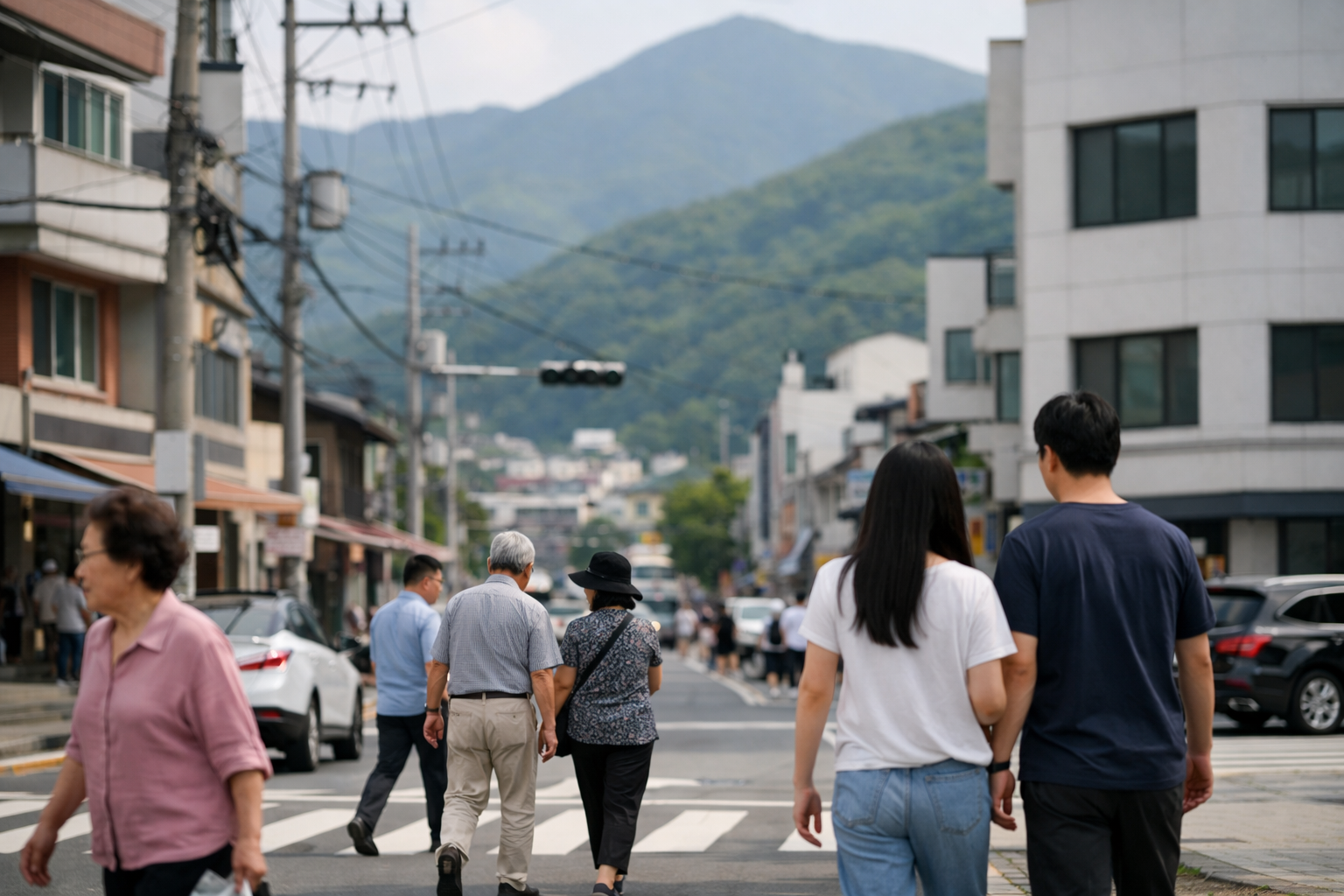
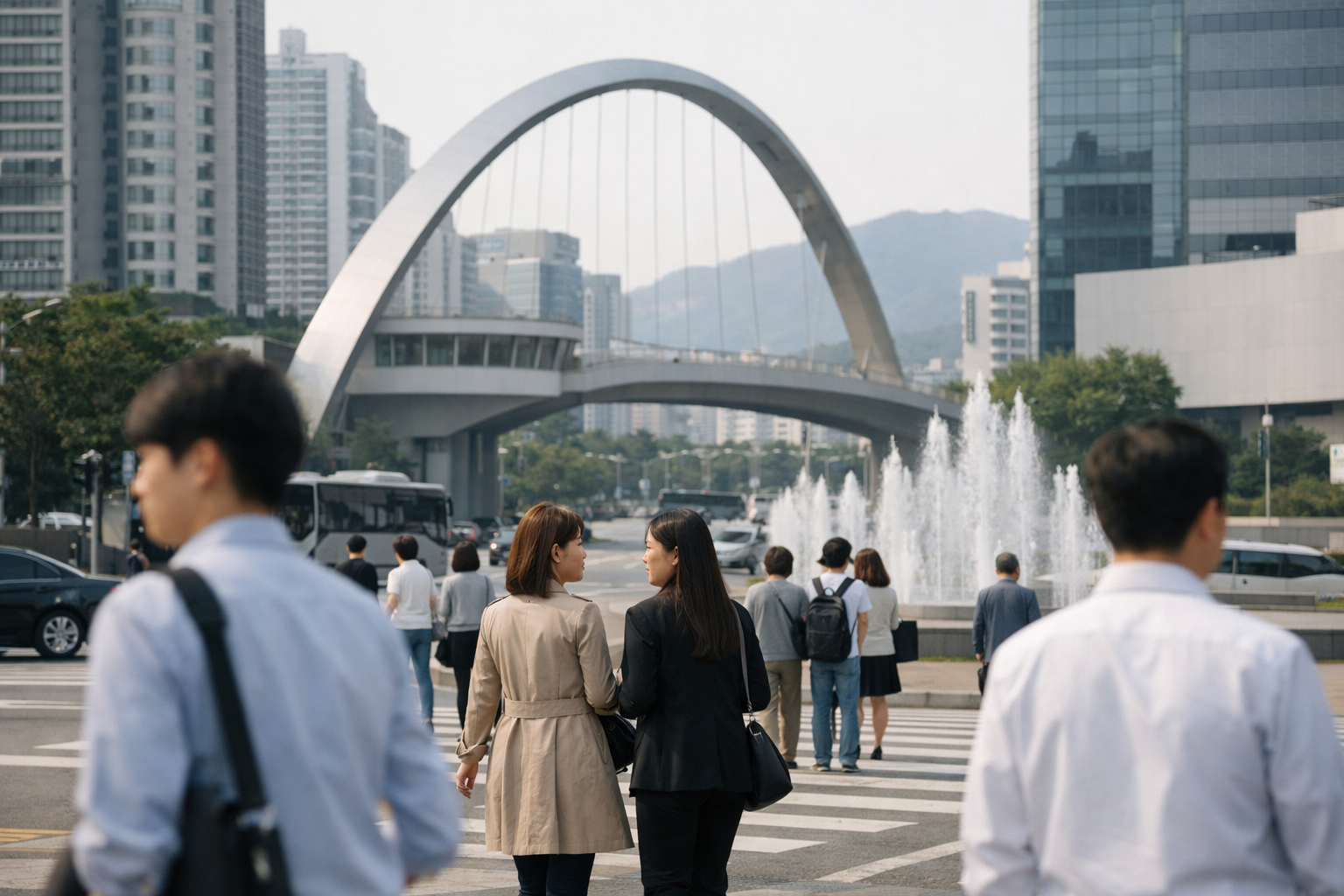
AI-Generated Photorealistic Image — All people, scenes, and details in this image are entirely AI-generated and fictional. Not a real photograph of an actual person or event. 이 이미지는 AI로 생성된 가상 이미지입니다.
Leave a Reply