Table of Contents
Seongnam City Hosts Its Third Youth Symphony Festival
Can a free concert change how a whole community sees its own young people? Seongnam City seems to think so. Starting August 16 and running through September 6, 2026, the city is throwing open its doors to the third annual Seongnam Youth Symphony Festival.
Ten performances. Zero admission fee. That is a rare combo in a country where a single classical concert ticket can sometimes cost more than a nice dinner out.
Seongnam City, located just south of Seoul in Gyeonggi Province, is turning its major cultural venues into stages for teenage musicians. This is not a one-off event either — it is the third edition of a festival that keeps growing.
You might wonder why a mid-sized city puts this much effort into youth orchestras. The answer says a lot about how Seongnam City views its cultural identity, and its young residents.
What to Expect: Ten Free Concerts Across Three Venues
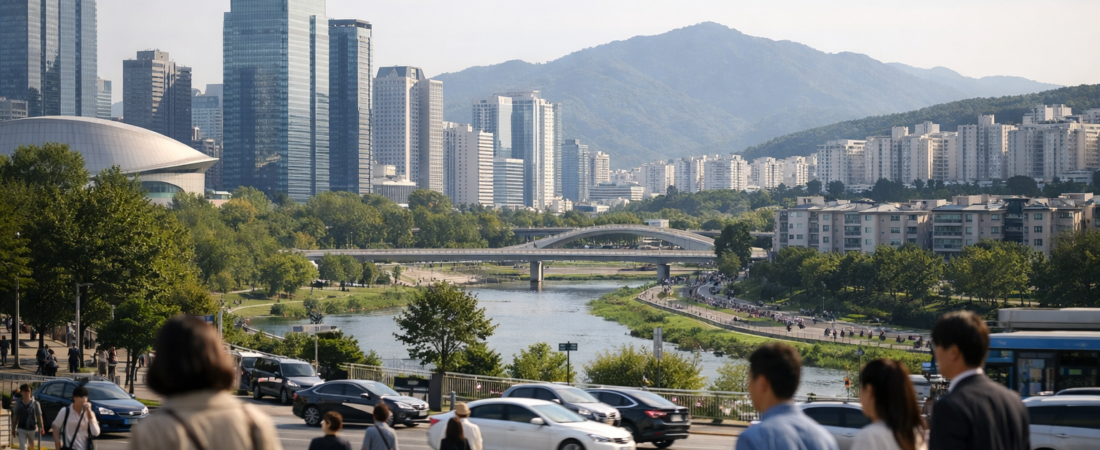
The festival unfolds across three distinct spaces in Seongnam City. The Seongnam Arts Center anchors the schedule with its formal concert hall acoustics, built for orchestral sound.
The Seongnam Artrium offers a more intimate, flexible setting. And the outdoor stage at Central Park brings the music straight into daily life, where anyone walking by can stop and listen.
This mix of venues matters more than it might seem at first. A concert hall performance teaches young musicians discipline and precision.
An outdoor park performance teaches them something different — how to connect with an audience that did not necessarily plan to be there. Seongnam City structured this festival so that youth orchestras experience both.
Ten total performances over roughly three weeks means the pace is steady but not overwhelming. Families in Seongnam City can plan around specific dates, whether they prefer the polish of an indoor hall or the relaxed feel of a summer evening outdoors.
Every single seat is free. For readers curious about the full schedule and venue details, the original coverage from Yonhap News Agency offers additional background on the event.
Why Seongnam City Invests in Youth Music Education

Here is a question worth sitting with: what does a city gain from funding teenage orchestras instead of, say, another road project? Seongnam City’s answer seems to be that culture and infrastructure are not actually competing priorities.
They build the same kind of community, just in different ways. Korea has a long tradition of pouring resources into music education, partly because performance skill has historically been tied to academic and social advancement.
Youth orchestras in cities like Seongnam offer something different from that competitive tradition, though. They offer a stage that exists purely for the sake of the music itself, not for a college application or a competition ranking.
That distinction matters. Seongnam City’s festival gives young musicians a rare kind of validation — a real audience, a real hall, a real moment that is not being scored or ranked.
For a teenager who has spent years practicing violin or cello after school, that recognition can be more meaningful than a certificate. Local governments across Korea have increasingly recognized this pattern, and Seongnam City’s continued investment across three festival editions suggests it plans to keep building on it.
The festival also serves a second purpose: bringing residents of Seongnam City into direct contact with the arts, without a financial barrier standing in the way. Free admission lowers the wall between “people who attend classical concerts” and “everyone else,” at least for a few weeks each year.
Looking Ahead: Music, Community, and Seongnam City’s Future
What happens after the last note fades on September 6? For most of these young musicians, the answer is simple — they go back to practice rooms, school orchestras, and ordinary life.
But something shifts after a real public performance. Confidence built on a real stage tends to last longer than confidence built in a private lesson.
There is a quieter truth worth naming here, too. Years of after-school rehearsal, competitive placement tests, and parental expectation sit behind many of these young performers’ polished bows and tuned instruments.
Korea’s intensity around youth achievement is well documented, and music training is not exempt from that pressure. A festival like this one does not erase that tension, but it does offer something valuable in the middle of it — a moment where the point is simply to play, to be heard, and to be applauded by neighbors rather than judged by scorecards.
That balance, between discipline and joy, between pressure and genuine connection, is not unique to Seongnam City. It shows up in families, schools, and communities everywhere young people are asked to work hard for something meaningful.
The hopeful part is that events like this one create small counterweights, spaces where effort gets celebrated without being ranked against everyone else in the room.
Seongnam City’s decision to run this festival for a third consecutive year signals something beyond a single summer event. It signals a longer-term bet that public music education, made visible and free, strengthens civic life over time.
Other Korean cities are watching similar models, and some may follow Seongnam City’s lead if attendance and community response stay strong. Whether this becomes a lasting fixture of Korean cultural policy depends partly on how residents show up this month.
So here is a question worth asking yourself: when was the last time you sat through a free concert performed by teenagers, just to see what they could do? Would you make the trip to Seongnam City this August to find out?
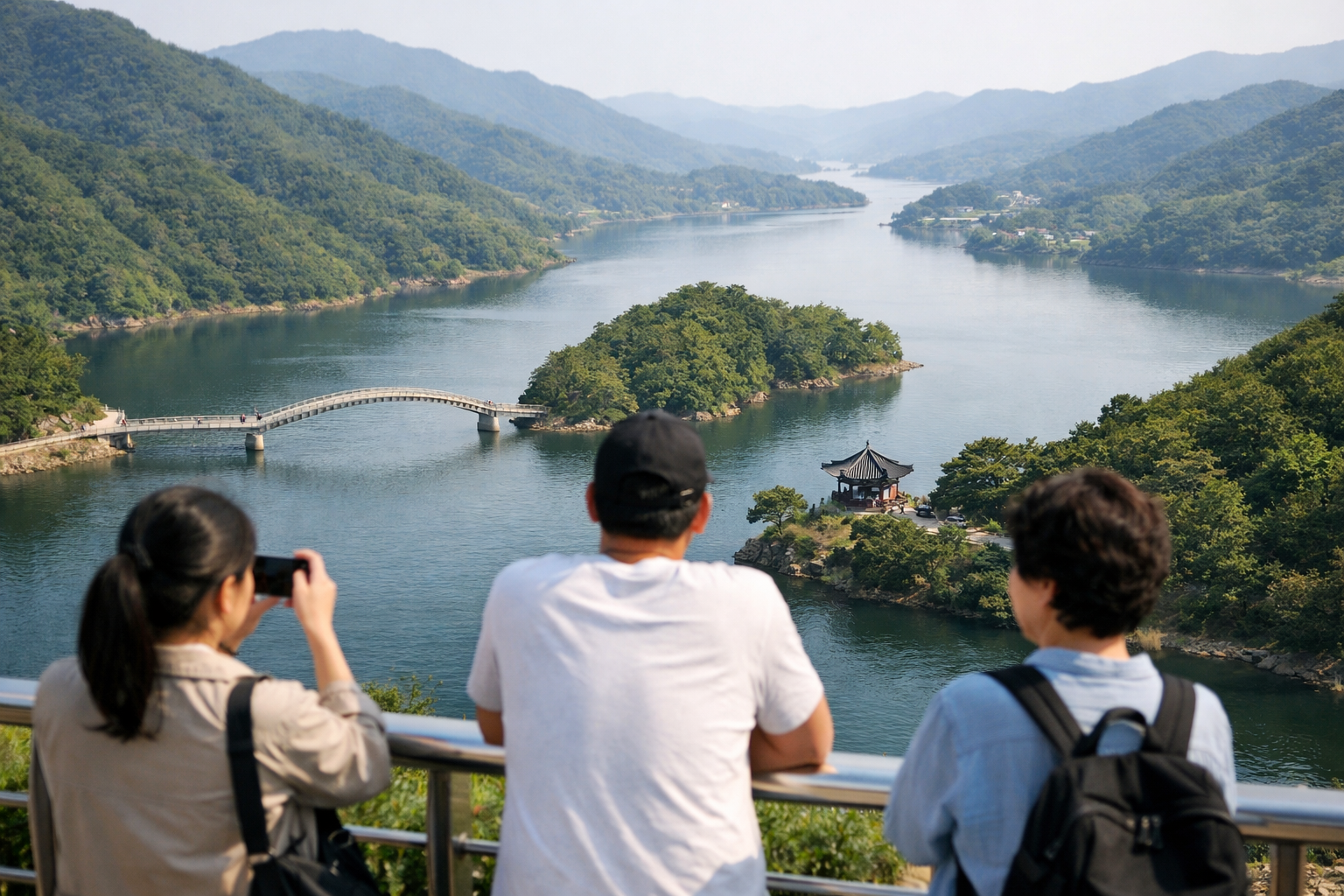
AI-Generated Photorealistic Image — All people, scenes, and details in this image are entirely AI-generated and fictional. Not a real photograph of an actual person or event. 이 이미지는 AI로 생성된 가상 이미지입니다.

Leave a Reply