
Table of Contents
Seoul now offers 10 nighttime walking tour routes, up from nine, as part of its “24-Hour Vibrant Economic City Seoul” policy. The newest addition features the Namsan Fortress Wall, expanding the city’s Seoul docent walking tour program. The goal is simple: get more visitors exploring Seoul after dark.
Why does one extra walking route matter? Because it signals something bigger about how Seoul thinks about tourism.
The city isn’t just adding a path up a mountain. It’s betting that nighttime tourism can reshape how people experience the capital.
Seoul’s Night Walking Tours Get an Upgrade
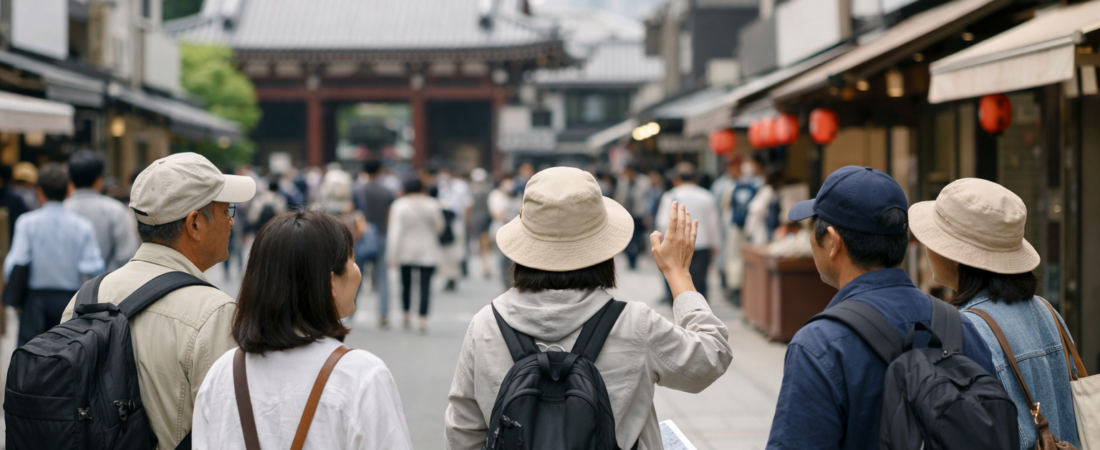
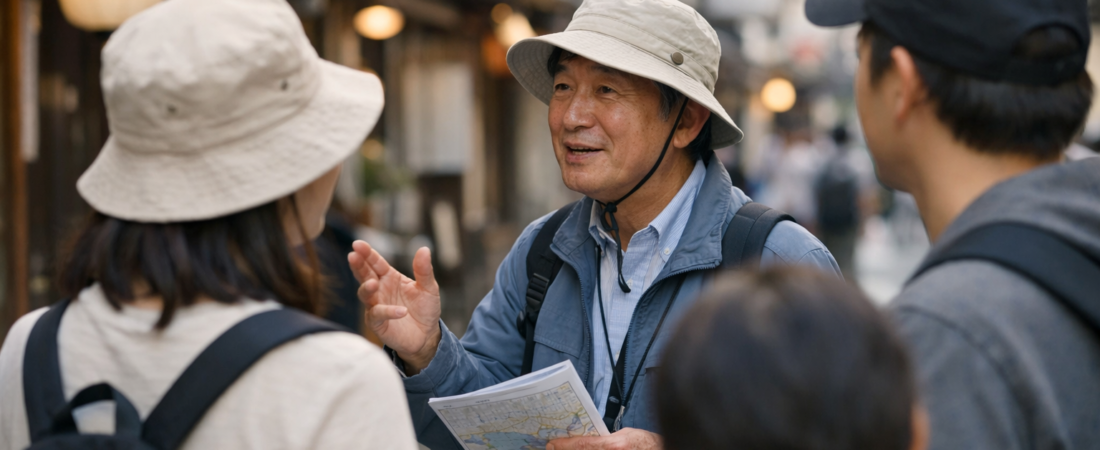
The Seoul Metropolitan Government confirmed the expansion of its docent-guided walking tour program this week. Nighttime routes grew from nine to ten, with trained guides leading small groups through the city after sunset. This isn’t a brand-new concept for Seoul.
The Seoul docent walking tour program has existed for years, mixing history, architecture, and local storytelling. But the night editions are relatively young, and they’ve grown steadily in popularity. Tourists want more than daytime palace visits now.
They want atmosphere, mystery, and a city that looks different once the lights come on. Have you ever noticed how a familiar place feels entirely new after dark? Seoul’s planners are counting on exactly that feeling to draw repeat visitors.
Each nighttime course typically runs a few hours, covering two to three kilometers with stops for photos and historical context. Guides speak Korean and often English, making the tours accessible to international travelers. The program fits neatly into Seoul’s broader push to keep the city active around the clock, not just during business hours.
Why Namsan Fortress Wall Steals the Spotlight
The star of the new lineup is the Namsan Fortress Wall, part of the historic Hanyangdoseong, Seoul’s ancient city wall. Built during the early Joseon Dynasty in the 14th century, the wall once protected the capital from outside threats. Today, sections of it wind through Namsan Park, offering sweeping views of the city skyline.
Walking this stretch at night adds something daytime visits simply can’t replicate. City lights stretch out below, the N Seoul Tower glows overhead, and centuries-old stonework sits quietly in the foreground. It’s a striking contrast between old and new Seoul, captured in a single walk.
Guides on this route will likely explain the wall’s military history, its restoration efforts, and its symbolic role in the city’s identity. For history lovers, that context transforms a scenic walk into something more meaningful. And for the fitness-minded traveler, let’s be honest, it also counts as free cardio with a view.
This isn’t the first time Namsan has anchored a major Seoul tourism initiative. The mountain and its surrounding trails have long served as a bridge between Seoul’s traditional past and its ultramodern present. Adding a formal night docent course here simply builds on decades of the site functioning as a cultural anchor point.
The Bigger Picture: Seoul as a 24-Hour City
This expansion doesn’t exist in isolation. It’s one piece of the “24-Hour Vibrant Economic City Seoul” initiative, a broader city policy aimed at boosting nighttime economic activity. Restaurants, markets, and cultural sites are all part of this push toward what planners call “stay-longer tourism.”
Why does Seoul care so much about what happens after 9 p.m.? Because daytime tourism alone leaves money on the table.
Visitors who stay out later spend more on food, transportation, and entertainment. City officials clearly hope that expanding Seoul docent walking tour options will nudge tourists to extend their evenings rather than retreat to hotel rooms early.
Seoul isn’t alone in this strategy. Cities like London and Tokyo have experimented with night mayors and expanded night transit to capture similar economic gains. You can read more about global approaches to nighttime tourism policy through resources like Yonhap News Agency, which has tracked Seoul’s evolving tourism strategy closely.
What sets Seoul apart is how it blends economic strategy with cultural storytelling. Rather than simply keeping shops open later, the city is investing in guided narrative experiences. That’s a subtler, more thoughtful approach to nighttime tourism than just flipping on more streetlights.
What This Means for Travelers Planning a Trip
If you’re planning a visit to Seoul, these expanded night routes deserve a spot on your itinerary. The Namsan Fortress Wall course offers history, scenery, and a break from daytime crowds all in one package. Tours are typically free or very low-cost, run by the city rather than private operators.
That accessibility matters. It means the experience of walking centuries-old fortress walls under city lights isn’t reserved for wealthy travelers with private guides.
It’s open to almost anyone willing to book a spot and show up. That said, guided tourism always carries a quiet tension worth naming honestly.
Programs built around foot traffic and repeat visitation can strain historic sites over time, and heavier nighttime use of Namsan raises real questions about wear on centuries-old stonework. Yet the same attention that brings visitors also brings funding and public awareness that support ongoing restoration and preservation work. There’s something quietly hopeful in that balance: cultural heritage surviving not by being sealed away from people, but by staying woven into daily life, cared for precisely because people keep showing up to appreciate it.
Looking ahead, expect Seoul to keep testing new nighttime concepts. Tourism officials have already hinted that additional routes could follow if the current ten courses perform well. For now, the Seoul docent walking tour program stands as a small but telling example of how the city is rethinking its identity after dark.
Would you choose a nighttime fortress walk over a daytime palace visit? Seoul is betting that more travelers will say yes.
AI-Generated Photorealistic Image — All people, scenes, and details in this image are entirely AI-generated and fictional. Not a real photograph of an actual person or event. 이 이미지는 AI로 생성된 가상 이미지입니다.


Leave a Reply