Table of Contents
Seoul tourism has hit a milestone worth noticing. The city recorded 1.61 million foreign visitors in a single month, its highest monthly figure ever, while foreign tourist card spending stayed above one trillion won for four straight months. These numbers signal something bigger than a good travel season.
Why Seoul Tourism Keeps Breaking Records
Why does Seoul keep pulling in more visitors year after year? Part of the answer is timing. The city has quietly rebuilt its tourism infrastructure since the pandemic years, and travelers are responding.
You have probably noticed the shift yourself, even if you have not visited Korea in a while. K-dramas, K-pop, and Korean food have turned curiosity into actual travel bookings.
Seoul tourism officials point to this as more than a lucky streak. They call it evidence of a genuine recovery in the city’s global appeal, and the data backs that claim.
What the Numbers Actually Mean for Visitors
A record 1.61 million foreign arrivals in one month is not just a statistic for city hall. It tells you something practical: Seoul is busier than ever, and popular spots will feel it.
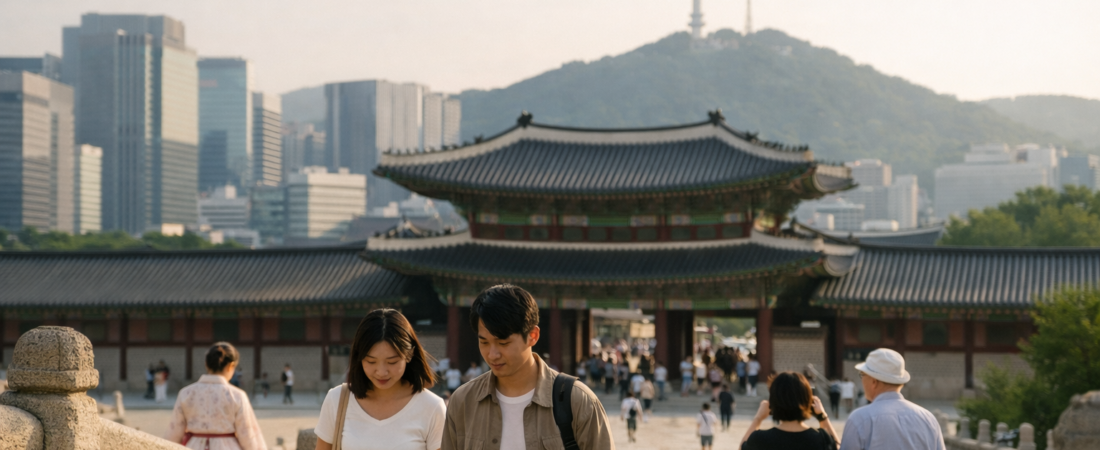
Think about neighborhoods like Myeongdong, Hongdae, or Bukchon Hanok Village. More visitors means longer lines at popular cafes and photo spots (yes, someone is definitely still counting how many people photograph the same palace gate every hour).
Does this mean Seoul is becoming overcrowded? Not exactly. The city’s tourism infrastructure has expanded alongside demand, with more hotel rooms, transit options, and multilingual services than in previous years.
Still, if you are planning a trip, this is useful context. Booking accommodations early and visiting major attractions on weekdays can help you avoid the busiest crowds while still experiencing everything Seoul tourism has become known for.
Where Your Money Goes: The Consumption Story
Foreign tourist card spending in Seoul has stayed above one trillion won for four consecutive months. That consistency matters more than any single record month.
Where does that spending actually happen? Shopping districts, restaurants, hotels, and transportation all capture a share, but food and retail tend to lead.
This steady consumption pattern suggests visitors are not just passing through Seoul briefly. They are staying longer, exploring more neighborhoods, and spending on experiences beyond the standard tourist checklist.
For context on how Korea tracks and reports these figures, sources like Yonhap News Agency regularly publish detailed tourism data from the Seoul Metropolitan Government.
What does sustained spending tell city planners? It suggests Seoul tourism is not a temporary bounce. It reflects a durable shift in how international travelers view the city as a destination worth extended time and money.
Planning Your Own Seoul Trip: A Practical Guide
If these numbers have you considering a visit, here is what actually matters for planning. Seoul rewards travelers who mix major landmarks with neighborhood exploration rather than rushing through a checklist.
- Book accommodations in Jongno-gu or Mapo-gu for easy subway access to major sites
- Visit palaces like Gyeongbokgung early morning to avoid peak crowds
- Try traditional markets such as Gwangjang Market for authentic food experiences
- Use a T-money card for seamless public transportation across the city
- Set aside time for lesser-known neighborhoods like Seongsu-dong or Ikseon-dong
Behind these growing numbers is a simpler human truth worth sitting with. Cities do not become beloved by accident; they become beloved because ordinary people, shop owners, taxi drivers, festival organizers, decide to welcome strangers with real effort.
That welcome is genuine, but it also carries a cost that rarely makes headlines. Rising visitor numbers can strain the same neighborhoods and residents who make Seoul feel authentic in the first place, and the balance between hospitality and livability is never fully settled.
The encouraging sign is that Seoul’s tourism planners seem aware of this tension, expanding infrastructure rather than simply celebrating record numbers. That kind of quiet, practical care, adjusting rather than just applauding, is what allows a city’s warmth to last beyond a single record-breaking month.
Seoul tourism is clearly on an upward path, but the deeper story is about sustainability, not just record counts. Will the city manage to keep growing while protecting what makes it worth visiting in the first place?
What draws you personally to Seoul, the history, the food, or something else entirely?
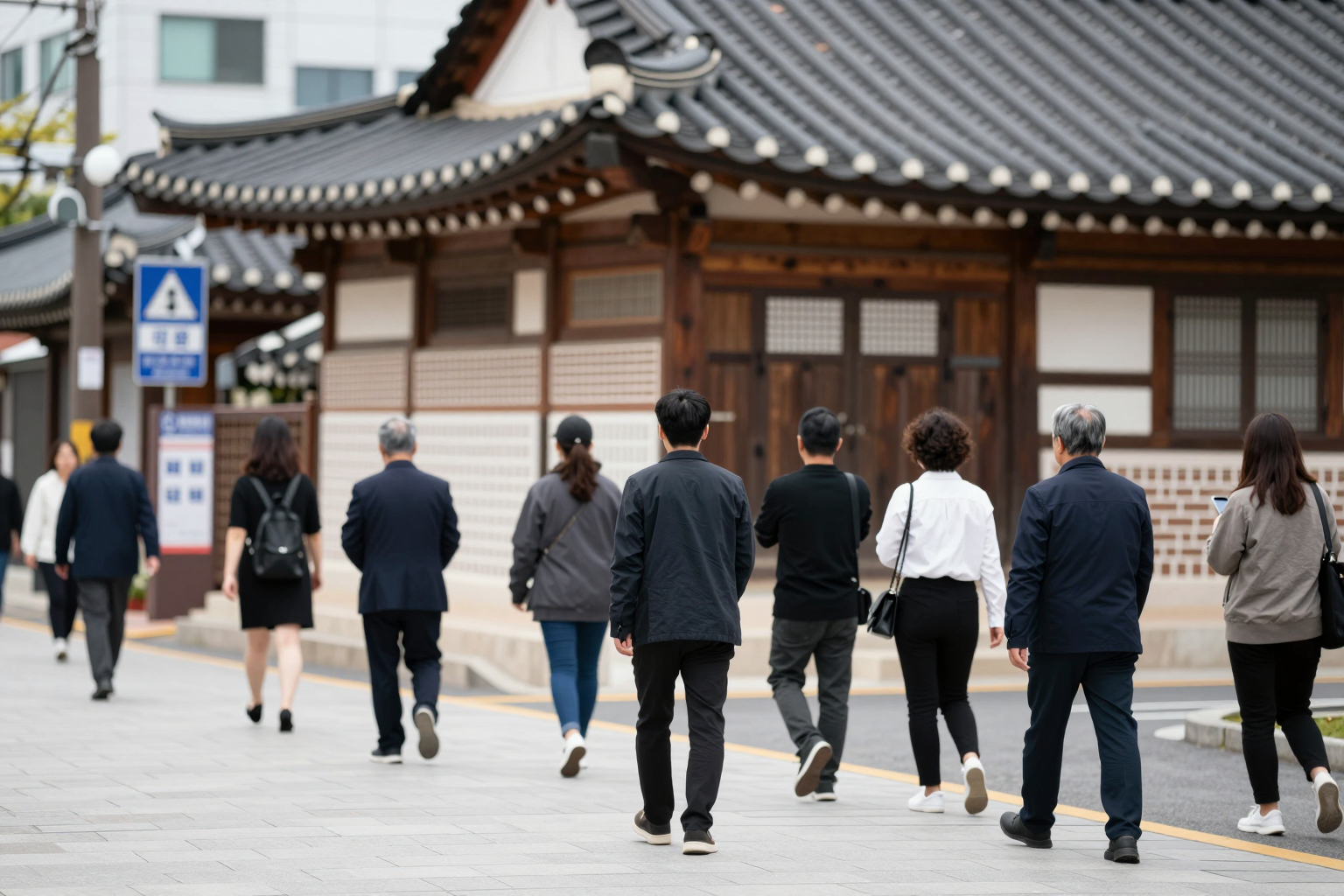
AI-Generated Photorealistic Image — All people, scenes, and details in this image are entirely AI-generated and fictional. Not a real photograph of an actual person or event. 이 이미지는 AI로 생성된 가상 이미지입니다.



Leave a Reply